
REVIEW · HANOI
Mai Chau – Pu Luong trekking 3 days 2 nights
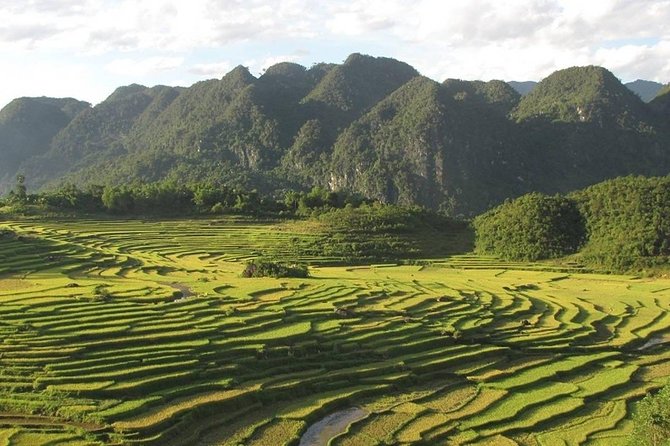
Rice terraces make the road west worthwhile. This three-day trek links Mai Chau and Pu Luong through rice fields, limestone mountains, small villages, and Thai stilt-house homestays. I especially like the private door-to-door transport and the chance to share meals with local families rather than returning to Hanoi each night. The main drawback is that the homestays favor authenticity over comfort, so do not expect polished hotel rooms.
The route also benefits from excellent local guides. Hoa, also called John, Son, Sun, Loi, and Long are among the guides connected with recent departures, while Bao is frequently named as a reliable driver. At $514 per person, the price is easier to justify for a private group, but it is a serious outlay if you are traveling alone.
Key points at a glance
- Three days on foot: Expect roughly three hours of trekking on the first day, five to six hours on the second, and another three hours on the final day.
- Thai culture up close: You sleep in local stilt houses, eat two dinners and two breakfasts with your hosts, and see ordinary village life.
- Private from Hanoi: Pickup begins at 8:30 am, with private transport, a private guide, and return service included.
- The hardest day comes second: Day two includes steep climbs and river crossings, so moderate fitness is essential.
- A simple homestay experience: The rooms are described as cozy by some visitors, but the standard can feel basic and somewhat worn.
- Useful packing matters: Bring a passport, walking shoes, a small day pack, insect repellent, sun protection, a raincoat, and a hat.
Why Mai Chau and Pu Luong work so well together
Mai Chau gives you an easy introduction to northern Vietnam’s mountain culture. Pu Luong then adds longer walks, steeper paths, forest edges, rice terraces, and more remote villages. Together, the two areas create a good three-day rhythm: a gentle start, a demanding middle day, and a shorter final trek before the drive back to Hanoi.
The region lies in Hoa Binh Province, about 80 kilometers west of Hanoi. The scenery changes gradually as you leave the capital. Roads lead toward valleys, limestone ridges, cultivated slopes, and villages where Thai and Muong communities continue their rural routines.
I like that this experience is not built around one famous viewpoint. Its appeal comes from moving through the countryside at walking speed. You see rice fields from different angles, pass small settlements, cross streams, and share space with farmers. The guide’s role matters here, especially when explaining local plants, farming, and customs.
The tour is private, so only your own group takes part. That gives you more control over walking speed and breaks than a large bus tour. It also makes the $514 price more understandable, especially for two or more people sharing the experience. For a solo visitor, however, the cost deserves careful thought.
More Three-Day Treks in Hanoi:
- Sapa 3 Days 2 Nights Trekking Tour (1 Night In Ta Van Village, 1 Night In Hotel)
★ 5.0 · 699 reviews - 3-Day Trekking Adventure of Sapa from Hanoi – Stay Ta Van Village
★ 5.0 · 611 reviews - Hanoi – Sapa 3 Day 2 Night Trekking With Hotel & Homestay
★ 5.0 · 389 reviews
Day one: market stop, Pom Coong, and the first Thai homestay
Pickup is scheduled for 8:30 am after breakfast at your Hanoi hotel. The drive heads west toward Hoa Binh, with a stop at a local market before continuing to Mai Chau Valley.
The market stop adds a useful local touch. It breaks up the road journey and gives you a first look at what people in the area buy, sell, and eat. The exact market experience can vary, but you should treat it as a short cultural stop rather than a major sightseeing visit.
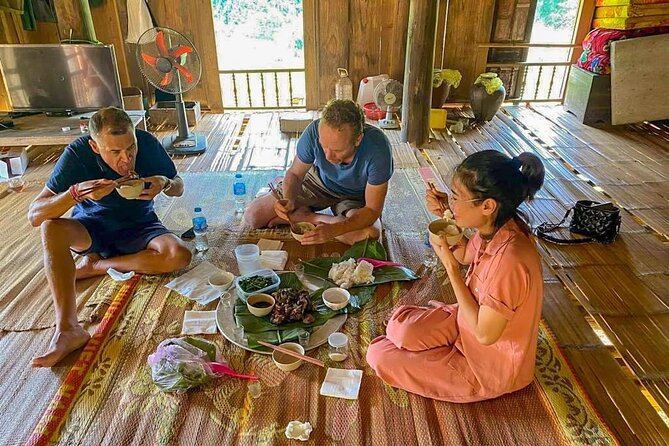
The first main stop is Pom Coong village, also written as Poom Coọng or Ban Pom Coong. Here, you rest and eat lunch in a traditional Thai house built on stilts. This meal matters because it sets the tone for the trip. You are not simply looking at a village from a vehicle. You are entering a working home and eating in a setting tied to local life.
After lunch, the trek begins through Pu Luong Nature Reserve. The first walk lasts about three hours and passes rice fields, mountain scenery, and small villages. This is a good opening section because you can get used to the heat, uneven paths, and walking pace before the longer trek on day two.
You may see people working around their homes and fields as you pass. The value of a local guide becomes clear here. A guide can help you notice details that would otherwise slip past, including plants, farming practices, and the layout of Thai villages.
Dinner and the first night take place with a local family in a Thai stilt house. Expect a basic rural stay rather than a resort. Some people will find the homestay cozy and memorable, while others may find the facilities too plain for the price. I would book this trip only if you see simple accommodation as part of the cultural experience.
Day two: the serious trekking day in Kho Muong
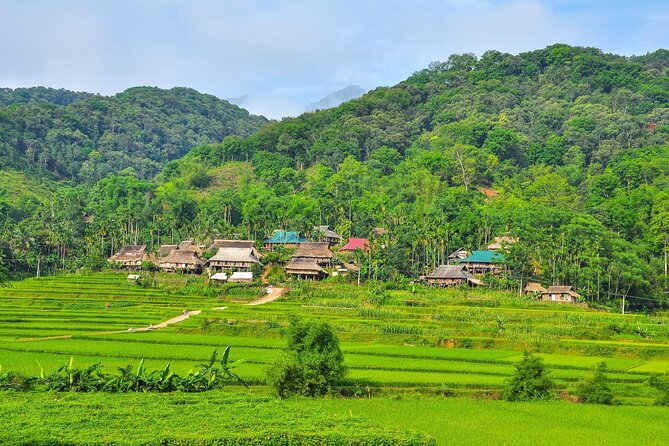
Day two is the physical center of the tour. You can rise before sunrise for an optional early-morning activity, watching the light appear over the mountain tops while local farmers begin work. You may also join in briefly, although the information provided does not specify exactly what farm task will be available.
Breakfast is prepared by your Thai hosts. Afterward, plan for five to six hours of walking. The first stretch is the toughest, with steep climbs and river crossings. This is not a casual stroll between villages, and the tour clearly suits people with moderate physical fitness.
The route includes a stop connected with Mr. Nếch’s homestay in Kho Muong village. Kho Muong is one of the places where the rural setting feels especially important. You are moving through a valley community rather than ticking off a single attraction, and the walk itself becomes the main event.
The second part of the day is easier than the opening section. That change in pace gives you time to look around and recover while still enjoying rice fields, mountain views, and village life. If the weather is cloudy or cool, the walking may feel more comfortable. If it rains, paths and river crossings can become more awkward, so good shoes and a raincoat are not optional extras.
Sunrise is worth considering if you enjoy quiet mornings and do not mind getting up early. If you need rest after the first day, skipping it will not remove the main value of the tour. The longer trek later in the day is the important commitment.
Guides such as Son and Sun have been praised for keeping the walking pace manageable and for explaining local plants and rural customs. That is useful on a route where the natural setting can otherwise blur into one long series of hills and fields. A patient guide can also make the difference between an enjoyable challenge and a tiring march.
Day three: Ban Hieu, steep paths, and the return to Hanoi
The final day includes about three hours of trekking, covering roughly five to seven kilometers. It starts with an easier section, giving you time to warm up and enjoy the surroundings before the tougher parts arrive.
After a rest in Ban Hieu village, the route becomes more demanding again. You face steep climbs and further river crossings before reaching higher ground with broad views over the valley. This final climb gives the trip a proper finish, but it may feel strenuous if your legs are still tired from day two.
The route continues to Pho Doan village. You rest there before walking to the main road, where your driver collects you. Lunch is included, as are the other meals listed for the trip: two dinners, two breakfasts, and three lunches.
The private vehicle then takes you back toward Hanoi. Having a driver waiting at the end of the walk is a real comfort. You do not need to arrange a separate transfer or wait for public transport after several days on foot.
The schedule is full, but it does not try to cram in too many unrelated sights. Most of your time goes to walking, eating, meeting local people, and reaching the next homestay. That focus suits you if you want a rural trip rather than a quick photo stop in several places.
A few more treks around Hanoi worth a look
- From Hanoi: 2-Day Sapa Trekking Trip with Homestay & Meals
★ 4.8 · 704 reviews - 2-Day Sa Pa Ethnic Homestay Tour & Trek with Limousine Bus
★ 4.8 · 440 reviews - From Hanoi: 2-Day Sapa Trek Tour – Luxury Limousine Transfer
★ 4.1 · 249 reviews - From Hanoi: Trek and Stay: 3-Day Sapa Highlands Adventure
★ 4.6 · 152 reviews
What the homestays are really like
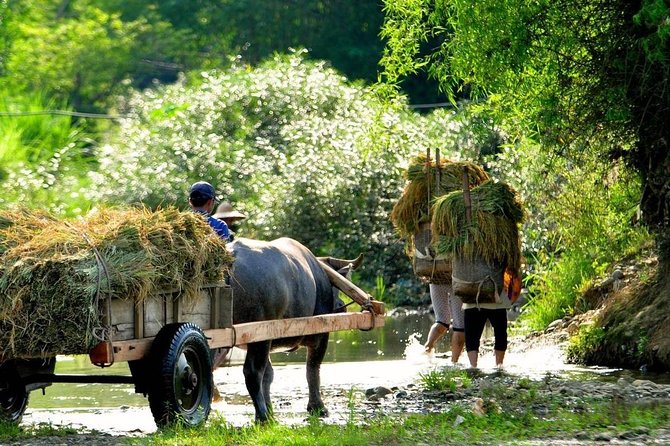
The homestays are central to the experience, not a minor detail. You spend nights in Thai stilt houses and eat meals prepared by local families. This creates a closer connection to the communities along the route than a conventional hotel would.
You should also set your comfort expectations correctly. The accommodation is simple, and one past experience specifically described the homestay and bungalow as poor value for money. The operator itself has emphasized authenticity, even when the buildings feel a little worn.
That trade-off is easy to understand. A basic family homestay can feel more personal and culturally meaningful than a modern property, but it should not be priced in your mind like a luxury lodge. If you need private facilities, polished rooms, or dependable hotel-style comfort, ask for the exact accommodation details before paying.
Food is included, but drinks are not. Bring money for beverages and personal expenses. Meals are part of the cultural experience, yet the supplied information does not specify menus, dietary arrangements, or how special requests are handled. If you have dietary needs, raise them when booking.
Guides, drivers, and the value of a private departure
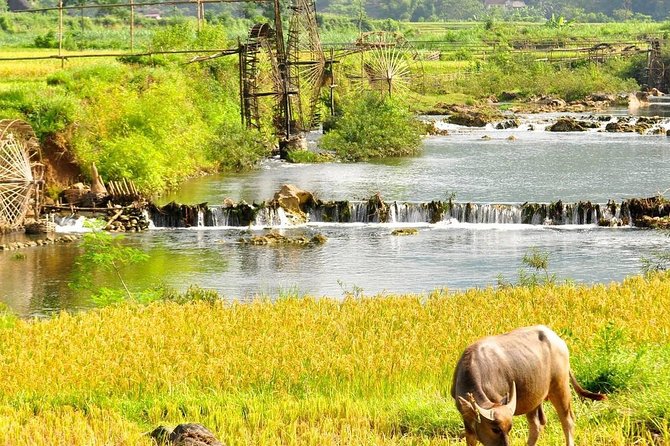
The human side of the trip is one of its strongest features. Guides named in connection with the experience include Hoa, also called John, Son, Sun, Loi, Long, and Thanh. Bao is the driver most often associated with the departures described here.
Loi is noted for explaining local ways of life and plants, while other guides are praised for a calm pace, good communication, and friendly help. Those details matter more on a trek than a rehearsed speech at a monument. You need someone who can adjust the pace, explain what you are seeing, and help when the path gets awkward.
Private transport begins and ends at your hotel in Hanoi. The tour also includes a private English-speaking guide, sightseeing tickets, travel permits, and all listed transfers. There is no extra charge after confirmation according to the supplied terms, although personal spending and drinks remain outside the price.
At $514 per person, value depends heavily on group size. For a private couple or small group, the cost covers three days of transport, guiding, meals, accommodation, and permits. For one person, it is harder to call inexpensive. Group discounts may be available, so ask about them if you are traveling with friends or family.
The tour also offers a mobile ticket and confirmation at booking. Those are convenient, but they do not change the physical demands of the route or the basic nature of the accommodation.
Fitness, weather, and what to pack
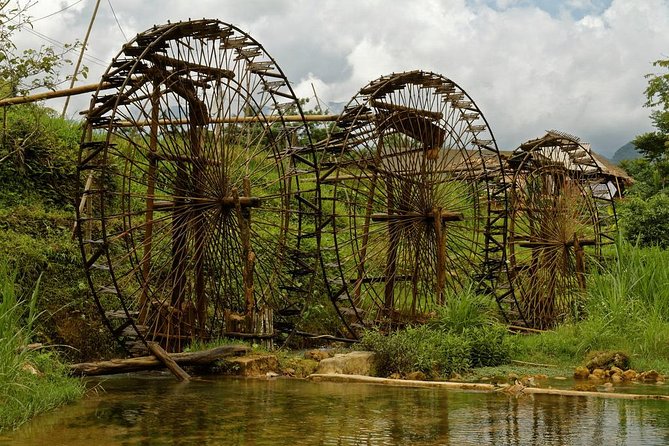
You need moderate physical fitness. The second day includes five to six hours of walking, steep climbs, and river crossings. The first and third days are shorter, but neither should be treated as purely sightseeing days.
Wear comfortable clothing that can handle outdoor activity and sturdy walking shoes. A small day pack is better than carrying your full luggage on the trail. Pack insect repellent, sunscreen, a raincoat, and a sun hat.
Your passport is essential on this trip. Keep it secure but accessible. Weather can change in the mountains, and rain can make paths slippery, so a waterproof layer is more useful than an umbrella.
The trip works best when you accept some uncertainty. A cloudy day may reduce distant views but make the walking cooler. Rain can make the route harder, yet the rice fields and villages still have their own appeal. You should not book this experience expecting guaranteed sunshine.
The tour is non-refundable and cannot be changed after booking. That makes travel insurance especially sensible, since the cost cannot be recovered if you cancel or request an amendment.
Who should book this three-day trek?
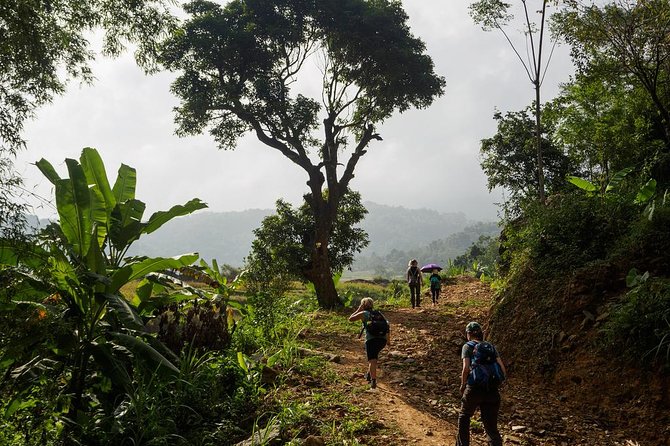
I would recommend it to you if you want a private, active trip with real time in rural northern Vietnam. It is a good fit for couples, families with suitable fitness, and small groups who value local meals, village stays, and walking over polished facilities.
It is less suitable if you want a relaxed hotel break, a short day hike, or a predictable schedule with no steep sections. The homestays may feel too basic, and the second day demands genuine effort.
The best reason to book is the combination of access and pace. You leave Hanoi with private support, then spend most of the trip on foot among rice fields, mountains, Thai villages, and family homes. The biggest question is not whether the scenery is attractive. It is whether you will enjoy paying for a simple, active, culturally focused experience.
If that sounds like your kind of Vietnam, this is a strong choice. If comfort and low cost matter more than local contact, compare it with a shorter Pu Luong visit that uses a hotel or ecolodge.
FAQ
Where does the tour begin?
The tour begins with pickup from your hotel in Hanoi at 8:30 am.
How long is the experience?
The tour lasts three days and two nights.
Is transportation included?
Yes. Private transfer and transportation are included, along with private door-to-door pickup and drop-off.
Is this a private tour?
Yes. Only your group participates in the tour.
What accommodation is provided?
Accommodation is provided in local homestays, including Thai stilt houses.
How much trekking is involved?
Day one includes about three hours of hiking. Day two includes five to six hours of trekking. Day three includes about three hours, or roughly five to seven kilometers.
What fitness level is required?
A moderate level of physical fitness is required. The route includes steep climbs and river crossings.
What meals are included?
The package includes two dinners, two breakfasts, and three lunches. Drinks are not included.
What should I bring?
Bring your passport, comfortable outdoor clothing, walking shoes, a small day pack, insect repellent, sunscreen, a raincoat, and a sun hat.
Recently added around Hanoi
- Trekking around Ha Giang 5 days 4 nights★ 3.0 · 2 reviews
- From Hanoi : Sapa Moutain Trek – Halong bay Heritage★ 4.5 · 25 reviews
- 8-Days Hanoi, Sapa Trekking And Halong Bay Cruise★ 5.0 · 8 reviews
- 2-Day SAPA Trekking – Villages-Homestay-Ethnic-Local Food-Market★ 5.0 · 2 reviews
- Hanoi: 3D2N Mu Cang Chai Visit All Attractions, Trek, Ethnic Life★ 5.0 · 3 reviews
- Trekking In Ha Giang 5 Days★ 5.0 · 4 reviews
- Sapa trekking – Unique Route – 2D1N★ 5.0 · 3 reviews
- 2-Day Trekking in Sa Pa from Ha Noi by sleeping bus★ 5.0 · 4 reviews
Hanoi Trekking Tours, compared.
Sapa 3 Days 2 Nights Trekking Tour (1 Night In Ta Van Village, 1 Night In Hotel)
Read our review →
3-Day Trekking Adventure of Sapa from Hanoi – Stay Ta Van Village
Read our review →
2-Day Sa Pa Ethnic Homestay Tour & Trek with Limousine Bus
Read our review →
Sapa 3 Day 2 Night Trekking With Hotel & Homestay
Read our review →
2-Day Sapa Trek Tour – Luxury Limousine Transfer
Read our review →
Sapa 2 Days 1 Night Overnight At Local Homestay
Read our review →Browse the lists this tour appears in