
REVIEW · HANOI
Hanoi: 3D2N Mu Cang Chai Visit All Attractions, Trek, Ethnic Life
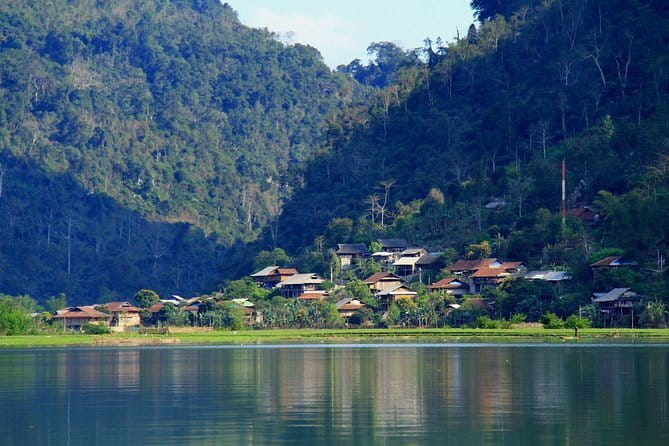
Mountain roads reward patience. This three-day trip from Hanoi takes you into Mu Cang Chai’s famous rice terraces, with time in Tu Le Valley, Lim Mong, Lim Thai, and Sang Nhu village. I like the private door-to-door transport and the chance to stay in traditional Thai stilt-house homestays rather than rushing through the region on a day trip.
I also like the local focus. You can meet farmers, see how rice is planted or harvested, and share meals made with regional ingredients. The main drawback is the long road journey. You spend several hours in the vehicle each day, and the trekking requires comfortable shoes, steady footing, and cooperation from the weather.
Key points before you book
- 07:30 pickup in Hanoi’s Old Quarter: The trip starts early and includes private transport from central Hanoi hotels.
- Tu Le Valley comes first: Rice fields, springs, villages, and Thai and Mong cultural experiences form the opening chapter.
- Lim Mong and Lim Thai require a trek: Expect about five hours of walking on day two amid rice terraces and village scenery.
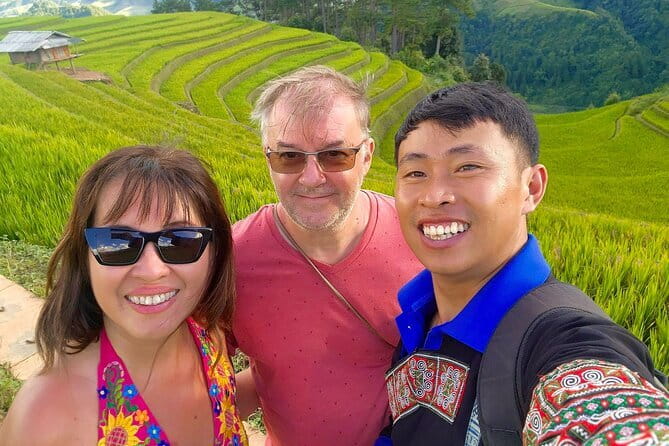
- Horseshoe Hill is a major photo stop: Sang Nhu village, about 2 kilometers from Mu Cang Chai, offers sweeping views of terraced fields.
- Meals and stays are included: The price covers two breakfasts, two dinners, three lunches, accommodation, entrance fees, and bottled water.
- The tour is private: Only your own group takes part, which makes the pace and village visits more personal.
Why Mu Cang Chai works best over three days
Mu Cang Chai is not a quick add-on from Hanoi. The journey takes time, and the best parts are spread across mountain valleys and villages. A three-day schedule gives you enough room to stop, walk, eat locally, and sleep in the area instead of turning the whole trip into a long vehicle ride.
The route also gives you a useful progression. Tu Le introduces you to the farming culture and valley scenery. The second day brings the main trek through Lim Mong and Lim Thai. The final morning focuses on Horseshoe Hill before the return drive.
I would choose this format if you want more than a viewpoint photo. You get scenery, but you also get contact with local farmers and the chance to see how village life connects to rice cultivation. That said, the phrase all attractions should be read sensibly. This is a focused three-day route, not a visit to every corner of Mu Cang Chai.
More Three-Day Treks in Hanoi:
- Sapa 3 Days 2 Nights Trekking Tour (1 Night In Ta Van Village, 1 Night In Hotel)
★ 5.0 · 699 reviews - 3-Day Trekking Adventure of Sapa from Hanoi – Stay Ta Van Village
★ 5.0 · 611 reviews - Hanoi – Sapa 3 Day 2 Night Trekking With Hotel & Homestay
★ 5.0 · 389 reviews
The long first morning from Hanoi to Tu Le
Pickup is scheduled for 7:30 AM in Hanoi’s Old Quarter. A private, modern, air-conditioned vehicle and a dedicated driver make this easier than arranging separate buses, taxis, and local transfers. The trip includes stops for mountain views along the way, though the exact stopping points can depend on road conditions and the guide.
The drive to Tu Le takes a good part of the day. The first listed section lasts about five hours, so bring water, a small backpack, and something to occupy you during the road time. Bottled water is included, and the vehicle is intended for comfort, but mountain travel still means bends and a slower pace.
This is one reason private transport adds value. You are not tied to a large coach schedule, and you can ask your guide questions during the journey. The English-speaking local guide is described as enthusiastic and experienced, with other languages available on request. The feedback gives particular praise to the guides for being kind, professional, and proud of their country. No guide name is provided in the tour details, so ask for the name and contact information after booking.
Tu Le Valley: rice fields and everyday village life
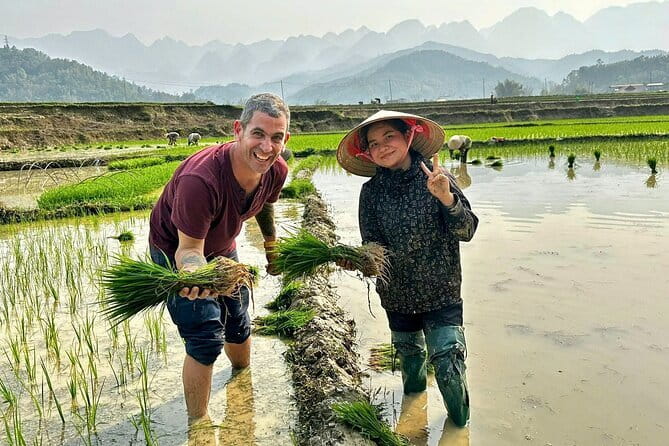
The afternoon arrival in Tu Le is a strong part of the trip. The valley brings together rice fields, springs, and small villages, with time to see Thai and Mong culture in a local setting. You may also take part in rice planting or harvesting alongside farmers, depending on the agricultural calendar.
That seasonal point matters. Rice work is not a staged performance that happens on demand. If you visit during harvest, the farming activity may be especially engaging. One October visit included harvesting with local people, but you should not assume the same activity will be available outside the harvest period.
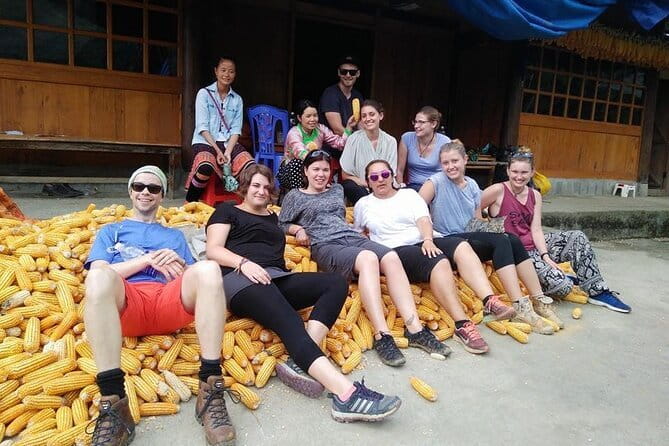
The overnight stay is in a traditional Thai stilt-house homestay. This is a simple but valuable choice because it puts you closer to local life than a standard city hotel would. You should expect a cultural stay rather than resort-style privacy. The supplied details do not specify room layouts or bathroom arrangements, so ask in advance if those points are important to you.
Dinner is included, with vegetarian food available if requested. The arrangement suits anyone who enjoys local meals and a more direct connection to village life. If you need a broad menu, special medical diets, or private facilities, confirm those needs before departure.
Early morning and the Lim Mong to Lim Thai trek

Day two starts early. Breakfast is served at the homestay, and an 8:00 AM departure begins the soft trek toward Lim Mong and Lim Thai. The phrase soft trek suggests a moderate village walk rather than a technical mountain hike, but you should still prepare for uneven ground and outdoor conditions.
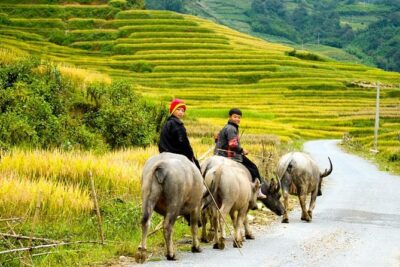
The walk lasts about five hours. Along the route, you can expect rice terraces, village paths, and views of farming areas. Meeting local farmers is part of the appeal. The guide helps connect the scenery to the people who work it, which gives the walk more meaning than simply stopping at roadside viewpoints.
Wear shoes with a good grip. Comfortable clothing, a hat, sunglasses, and mosquito spray are all sensible choices. Carry a small backpack instead of a large suitcase, since you will spend part of the day walking and may need to keep personal items with you.
This is the most active part of the trip, so it may not suit anyone who wants a relaxed sightseeing schedule. The tour states that most people can participate, but good weather is important. Rain can make village paths more difficult, and the operator may cancel for poor conditions, offering a different date or a full refund.
A few more treks around Hanoi worth a look
- From Hanoi: 2-Day Sapa Trekking Trip with Homestay & Meals
★ 4.8 · 704 reviews - 2-Day Sa Pa Ethnic Homestay Tour & Trek with Limousine Bus
★ 4.8 · 440 reviews - From Hanoi: 2-Day Sapa Trek Tour – Luxury Limousine Transfer
★ 4.1 · 249 reviews - From Hanoi: Trek and Stay: 3-Day Sapa Highlands Adventure
★ 4.6 · 152 reviews
Lunch and an afternoon in Mu Cang Chai
Around noon, you arrive in Mu Cang Chai and check into another homestay. Lunch is prepared by local people using fresh regional ingredients. The included meals are a real advantage here, since the route takes you far from Hanoi and gives you fewer reasons to worry about finding food between stops.
The afternoon is intentionally less tightly packed. You can enjoy countryside views, visit local areas, and have free time to explore on your own. That free time is useful after the morning walk. It also gives you a chance to slow down, take photographs, or simply sit with the scenery instead of racing toward another attraction.
The details mention visits to local villas, though they do not explain exactly which properties or how long those stops last. Your guide should clarify the plan on the day. Since this is a private tour, you have a better chance of adjusting the pace than you would on a large group departure.
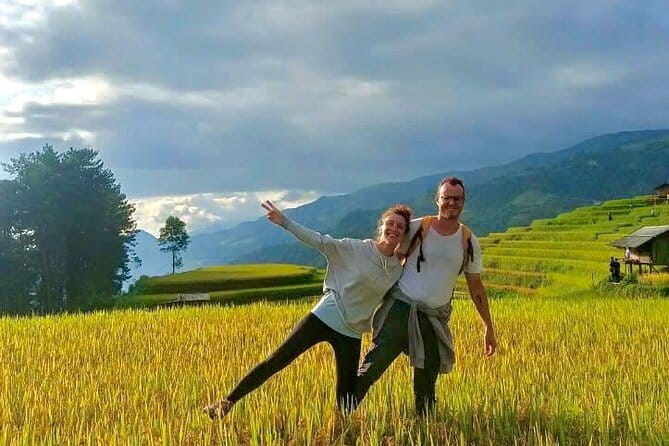
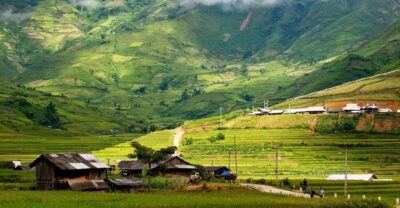
Mu Cang Chai is known for its stepped rice fields, especially when the terraces are green or golden. The view changes with the season, so do not expect one fixed picture. Harvest season can bring the strongest activity and color, while other periods may offer a quieter look at the fields.
Horseshoe Hill in Sang Nhu village
The final sightseeing morning begins with breakfast at the homestay, followed by an 8:00 AM visit to Horseshoe Hill. The site is in Sang Nhu village, about 2 kilometers from Mu Cang Chai, so this is a shorter transfer than the earlier route from Tu Le.
Horseshoe Hill is presented as one of the best places for views of terraced rice fields. The name refers to the curved shape of the terraces, which creates a natural pattern when seen from above or from a nearby viewpoint. This is likely to be one of the trip’s strongest photography stops, particularly during harvest season.
Do not treat the short distance as proof that the morning is effortless. The tour combines outdoor walking with mountain roads, and comfortable footwear remains important. You will also want your phone or camera ready, but keep enough attention on the ground if paths are uneven.
The morning section lasts about four hours, leaving time for lunch before the return to Hanoi. That timing keeps the final day manageable, though the drive back is still substantial.
The return to Hanoi and what the price covers
After lunch, the vehicle leaves Mu Cang Chai at about 1:00 PM. Arrival in Hanoi is expected around 5:30 PM, with drop-off at your hotel in the city center. The final road section gives you more mountain scenery, but it also confirms the main trade-off: this destination is beautiful because it is remote, and remoteness takes time.
The price is listed at $512 per person. That is not a budget day trip, but the cost includes a large package:
- Private pickup and drop-off in central Hanoi
- Private air-conditioned transport with a driver
- An English-speaking local guide
- Two breakfasts, two dinners, and three lunches
- Accommodation in homestays
- Entrance fees and village visits
- Trekking activities
- Bottled water
- Travel insurance
- Support through a 24-hour hotline
The value depends on your group size and what you would otherwise arrange yourself. For one person, $512 is a serious expense. For a private group splitting transport and guide costs, it may make more sense, especially because the route is remote and involves several transfers.
There are no extra charges after confirmation according to the tour details, but drinks, personal expenses, and tips are not included. Carry some cash, since rural stops may not offer reliable card payment.
The private format and the guide’s role
This is a private activity, meaning only your group participates. That is useful for a route with long drives and a mix of walking, meals, and village visits. You can ask for pauses, discuss food needs, and spend more time at a viewpoint if the schedule allows.
The guide is central to the experience. Without local explanation, rice terraces can become a series of pretty photographs. With a good guide, you can better understand the farming calendar, the Thai and Mong communities, and the purpose of the village stops.
The strongest praise attached to this experience focuses on the guide’s kindness and professionalism, along with the warm, open conversations with local people. That is important because village visits should feel like meetings, not a quick parade of photo opportunities. Be polite, ask before photographing people, and follow your guide’s lead.
Weather, fitness, and practical preparation
The tour runs daily but depends on good weather. If poor conditions force cancellation, you are offered another date or a full refund. The operator says it will monitor the forecast and provide advance notice, but mountain weather can still change quickly.
Pack light. The recommended list is practical:
- Comfortable trekking shoes
- Clothing suitable for outdoor activity
- A small backpack
- Hat and sunglasses
- Mosquito spray
- Cash
- Personal drinks or snacks if needed
Travel insurance is included, but you should still check what it covers before departure. Children must be accompanied by at least one adult. Service animals are allowed, and the experience is near public transportation, although the main transport is the private vehicle arranged for your group.
Free cancellation is available up to 24 hours before the start time for a full refund. Changes or cancellations made inside that window are not accepted for a refund.
Who should book this Mu Cang Chai trip?
I would recommend it to you if you want three things at once: mountain scenery, physical activity, and contact with local communities. It works especially well for couples, families with older children, friends, or small private groups who value their own vehicle and guide.
It is less suitable if you dislike long drives, prefer polished hotels, or want a very gentle schedule. The five-hour trek is not extreme on paper, but it is still a proper walking day. The homestays add cultural value, yet they may not provide the same privacy or comforts as a city hotel.
The trip also makes sense for anyone visiting during the rice-growing season. If your main goal is to see harvesting, ask about current field conditions before booking. The October example suggests that harvest can be a memorable part of the experience, but farming schedules vary.
Should you book it?
Book this tour if you want Mu Cang Chai with the hard work handled for you. The private vehicle, local guide, included meals, homestays, and village visits create a practical package for a remote destination.
I would not book it if you have only a limited tolerance for road travel or need guaranteed hotel-style facilities. For the right person, though, the price buys more than transport and viewpoints. It gives you time in Tu Le, a real trek through Lim Mong and Lim Thai, a night near local life, and a final look at the curved terraces of Horseshoe Hill.
FAQ
How long is the Mu Cang Chai experience?
The experience lasts approximately three days and two nights, beginning in Hanoi and returning there on the third day.
Where does pickup take place?
Pickup and drop-off are provided at hotels in Hanoi city center, including the Old Quarter area.
Is the tour private?
Yes. Only your own group participates in the activity.
What meals are included?
The package includes two breakfasts, two dinners, and three lunches. Vegetarian food is available on request.
Are accommodation and entrance fees included?
Yes. Accommodation, entrance fees, trekking activities, and village visits are included.
How difficult is the trek?
The day two trek from Lim Mong to Lim Thai lasts about five hours. Comfortable shoes and clothing suitable for trekking are recommended.
What should I bring?
Bring a small backpack, comfortable shoes, outdoor clothing, a hat, sunglasses, mosquito spray, and cash.
What happens if bad weather cancels the tour?
If poor weather requires cancellation, you can choose a different date or experience, or receive a full refund. Free cancellation is also available up to 24 hours before the experience starts.
Recently added around Hanoi
- Trekking around Ha Giang 5 days 4 nights★ 3.0 · 2 reviews
- From Hanoi : Sapa Moutain Trek – Halong bay Heritage★ 4.5 · 25 reviews
- 8-Days Hanoi, Sapa Trekking And Halong Bay Cruise★ 5.0 · 8 reviews
- 2-Day SAPA Trekking – Villages-Homestay-Ethnic-Local Food-Market★ 5.0 · 2 reviews
- Mai Chau – Pu Luong trekking 3 days 2 nights★ 4.5 · 7 reviews
- Trekking In Ha Giang 5 Days★ 5.0 · 4 reviews
- Sapa trekking – Unique Route – 2D1N★ 5.0 · 3 reviews
- 2-Day Trekking in Sa Pa from Ha Noi by sleeping bus★ 5.0 · 4 reviews
Hanoi Trekking Tours, compared.
Sapa 3 Days 2 Nights Trekking Tour (1 Night In Ta Van Village, 1 Night In Hotel)
Read our review →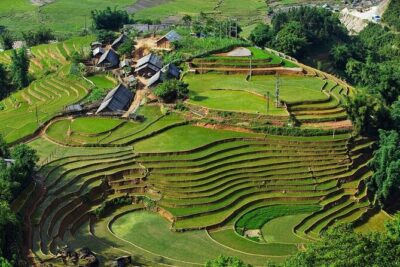
3-Day Trekking Adventure of Sapa from Hanoi – Stay Ta Van Village
Read our review →
2-Day Sa Pa Ethnic Homestay Tour & Trek with Limousine Bus
Read our review →
Sapa 3 Day 2 Night Trekking With Hotel & Homestay
Read our review →
2-Day Sapa Trek Tour – Luxury Limousine Transfer
Read our review →
Sapa 2 Days 1 Night Overnight At Local Homestay
Read our review →Browse the lists this tour appears in