
REVIEW · HANOI
Trekking Sapa – Bac Ha Market: Sleep on Train & Homestay
Mountain villages reward early risers. This three-day trip links an overnight train from Hanoi with Sapa trekking, a night in Ta Van, and Sunday’s Bac Ha Market. I like the chance to meet a local guide, especially since guides such as Suà have been praised for explaining both ethnic culture and the places along the route. I also like the useful mix of transport, meals, entrance fees, and lodging for $56 per person. The main drawback is the schedule: the overnight train, early transfer from Lao Cai, and several hours of trekking require stamina and a willingness to accept basic conditions.
You can choose among transport options, depending on the package available when you book. Some departures use a night train, while others use a sleeper bus or limousine service. The tour also lets you continue from Sapa to Ha Giang by bus instead of returning to Hanoi, which is handy if you are building a longer northern Vietnam route.
Key details before you book
- A 21:30 overnight train leaves Hanoi: You meet at Hanoi Train Station and travel overnight toward Lao Cai, then continue by road to Sapa.
- Ta Van is the overnight base: You sleep in a shared room or on a single mattress, with a public bathroom at the homestay.
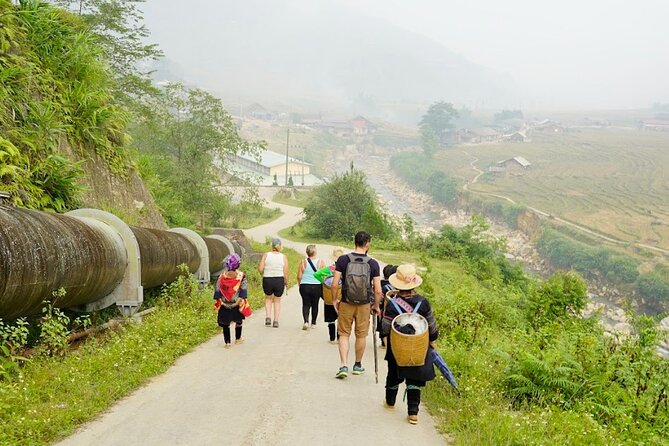
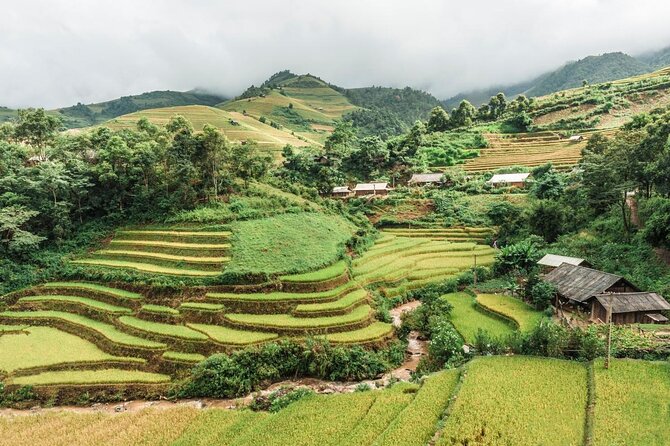
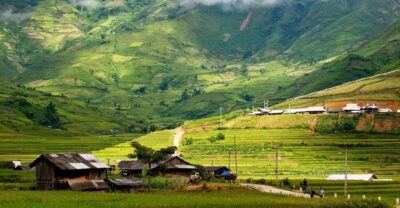
- The trekking route links several ethnic villages: Cat Cat, Lao Chai, Ta Van, and Giang Ta Chai bring you through rice terraces, streams, bamboo forest, and village paths.
- Bac Ha Market only operates on Sunday morning: The market visit must match the calendar, so check your date carefully.
- The tour ends with an optional Ha Giang connection: Buses leave Sapa at 14:30 and 19:00, giving you a practical onward route.
- This is a small-group trip with real walking: The maximum group size is 15, and a moderate level of fitness is required.
The overnight train from Hanoi to Lao Cai
Your trip begins at Hanoi Train Station at 21:30. The meeting point is Ga Hà Nội at 120 Lê Duẩn, so allow time to reach the station and locate the group before departure. The exact train may be SP1, SP2, or SP3, depending on the arrangement for your date.
The train saves you a hotel night and puts you near the mountains by morning. That is the main reason to choose it over a daytime transfer. It also gives the trip a classic north Vietnam feel, though sleep may be less restful than in a hotel. If you are sensitive to overnight travel, ask which transfer option applies before paying.
At about 5:00, a driver meets you at Lao Cai Station for the roughly 40-kilometer road trip to Sapa. This early transfer is efficient, but it creates a long first day. You will have traveled overnight, eaten breakfast, and then started walking before many people have properly begun their morning.
The package includes Hanoi to Sapa and onward transport according to the selected option. Since the details can vary between train, sleeper bus, and limousine arrangements, confirm the exact return plan as well as the departure vehicle. The mobile ticket makes the process easier, but keep your phone charged and carry the booking information where you can reach it quickly.
More Homestay Treks in Hanoi
- Hanoi – Sapa 2 Days 1 Night Overnight At Homestay
★ 5.0 · 899 reviews - From Hanoi: 2-Day Sapa Trekking Trip with Homestay & Meals
★ 4.8 · 704 reviews - 2-Day Sa Pa Ethnic Homestay Tour & Trek with Limousine Bus
★ 4.8 · 440 reviews
Sapa and the first village walks
After breakfast at a hotel in Sapa, you prepare a light bag for the short trek to Cat Cat Village. Leaving larger luggage behind is sensible. You will want water, a rain layer, sun protection, and sturdy shoes, not a full suitcase.
Cat Cat is associated with the Black H’Mong people. The route includes a waterfall, Muong Hoa Stream, terrace fields, a French-era hydroelectric power plant, and local schools. The village visit lasts about an hour, while the earlier Sapa activity and preparation take around three hours altogether.
The appeal here is variety. You are not simply walking from one viewpoint to another. The path brings together scenery, working village life, and traces of earlier French infrastructure. The drawback is that the walking surfaces may be muddy or uneven. One especially useful piece of advice is to bring proper sports or walking shoes and enough water.
The tour description calls the route one of the most beautiful mud-road treks in the world. That is enthusiastic wording, but the practical point is sound: mud is part of the experience. This is not a polished city walking tour. Conditions can change with the weather, and your shoes may pay the price.
Lao Chai and the Muong Hoa Valley
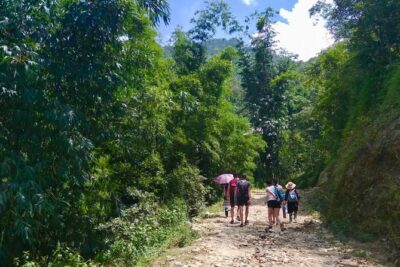
From Cat Cat, the route continues toward Lao Chai for about three hours. Lao Chai is a Black H’Mong village by the Muong Hoa Valley and stream, at the foot of Fansipan. The walk is one of the central parts of the trip, not a brief stop added between bus rides.
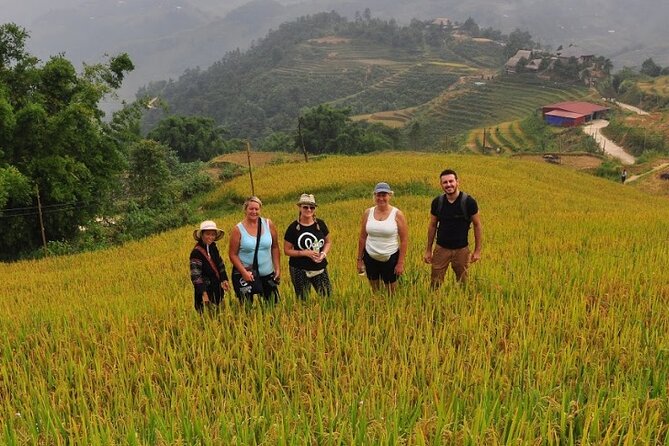
You can expect terraces, village paths, and views toward the valley. The route gives you time to see how the villages relate to the surrounding hills rather than treating each place as a separate photo stop. A local English-speaking guide accompanies the Sapa portion, and the guide can explain the culture of the ethnic communities you pass through.
The tour description says guides may change depending on the route. That means your experience can depend partly on the individual assigned to your group. Suà received especially warm praise for explaining both culture and location, which is exactly the kind of guide this walk needs. The scenery is good on its own, but local context gives the walk more meaning.
Three hours on foot can feel substantial after an overnight train. If you want an easy, low-effort outing, this is the wrong choice. If you enjoy walking between villages and prefer roads and trails to a string of bus stops, the effort is worthwhile.
Ta Van homestay and a night with a local host
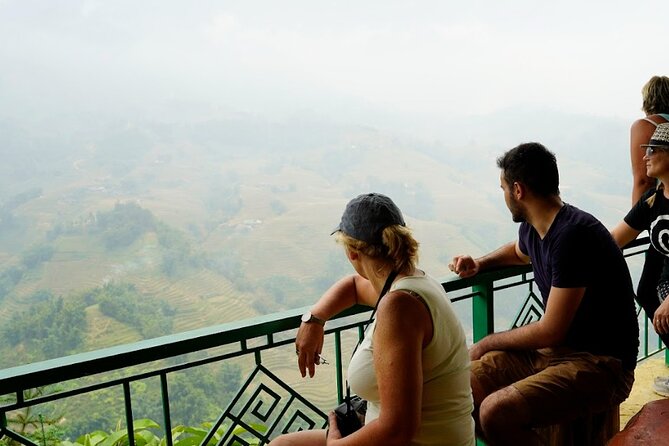
Ta Van is home to the Zay people and sits beside Muong Hoa Stream. The village is reached by attractive walking routes, with views over the surrounding terraces and waterway. You spend the night at a local homestay, which is the most distinctive part of the trip.
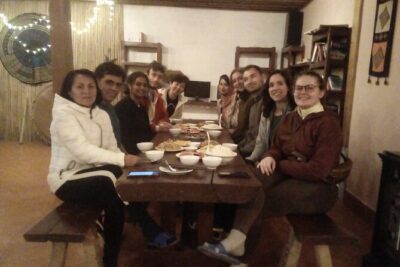
This is not a resort stay. The accommodation uses a shared room or a single mattress, and the bathroom is public. You should book it for the contact with local life, not for privacy or polished facilities. The basic setting is also why the homestay can feel more connected to the place than an ordinary Sapa hotel.
Dinner is included, along with breakfast and three lunches listed in the package. Drinks are not included, so bring money for water and other purchases. The homestay portion gives you time with the host and a chance to ask questions about village life, food, and local customs, though the exact interaction will depend on your guide and host.
The long Ta Van stop listed for the second day allows a slower pace. You are not rushing through the village immediately after arrival. Still, shared sleeping arrangements and a public bathroom will not suit everyone. Pack earplugs if you normally sleep lightly, though the tour does not promise private rooms or private facilities.
More Homestay Treks in Vietnam
- Hanoi – Sapa 3 Day 2 Night Trekking With Hotel & Homestay
★ 5.0 · 389 reviews - Hanoi – Sapa 2 Days 1 Night Overnight At Local Homestay
★ 5.0 · 233 reviews - From Hanoi: 2-Day Luxury Sapa Trekking Tour with Homestay
★ 4.4 · 49 reviews - 3-Night Sapa Trek and Homestay with Round Trip Transfer from Hanoi
★ 4.5 · 37 reviews
Giang Ta Chai and the second day on foot
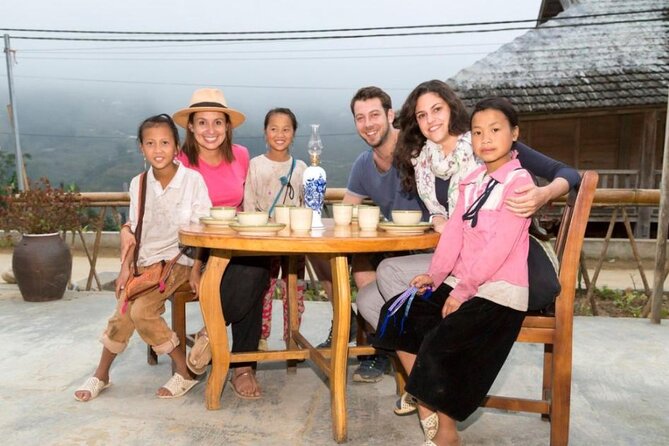
The next major walk leads to Giang Ta Chai, a village associated with Red Dao, Zay, and Black H’Mong communities. The route takes about two hours and includes bamboo forest, rice terraces, and views toward the Muong Hoa Valley.
This section adds a different cultural note to the walk because several ethnic groups live in the same area. Your guide can help you understand the differences between the communities rather than reducing every village to the same stop. That makes the English-speaking guide an important part of the experience.
The timing is also useful. After the longer first-day trekking, two hours gives you more walking without making the second day entirely about exertion. You still need moderate fitness, especially because the trip has already involved an overnight journey and several hours outside.
The supplied schedule places a long Ta Van homestay period after Giang Ta Chai. Treat that as unhurried time rather than a full program of organized activities. You may have time to rest, speak with the host, or enjoy the village setting. The tour does not specify extra workshops or performances, so do not book it expecting a packed entertainment schedule.
Sunday morning at Bac Ha Market
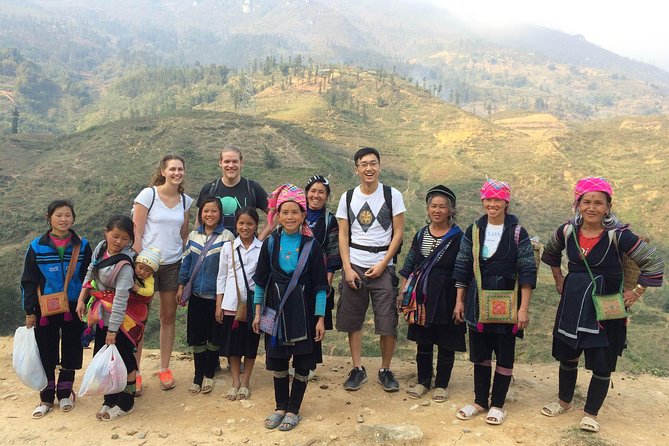
Bac Ha Market is the reason the calendar matters. It takes place only on Sunday morning, and the visit lasts around four hours. The market shows both everyday buying and selling and older forms of exchange. You may see pigs, hens, souvenirs, and other goods changing hands.
The value here is the sense of a regional meeting place. This is not just a souvenir market in a tourist center. It brings local commerce and ethnic culture together, and you have time to walk around rather than being limited to a quick photograph.
A private car and guide are included for the Bac Ha portion. That makes the transfer more direct than relying on public transport between Sapa and the market. The exact road conditions and departure timing are not specified, so be ready for another early start and a full day of movement.
The market can be visually and socially busy, but I would not describe it as a passive sightseeing stop. You will need to watch your belongings, stay aware of the meeting instructions, and keep some Vietnamese currency available for personal purchases. Drinks and personal expenses are not covered.
Hoang A Tuong’s Castle and nearby Pho Village
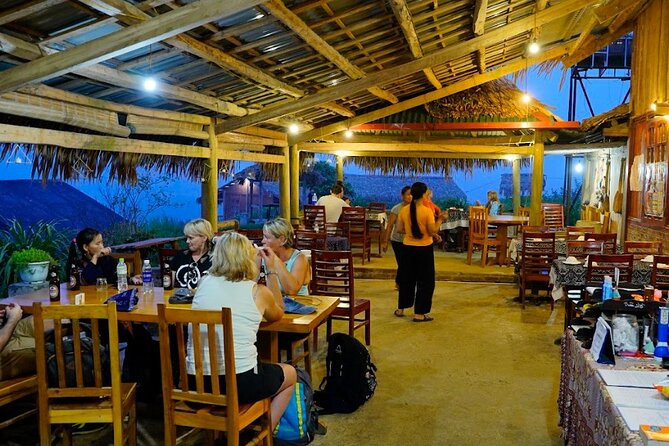
After Bac Ha Market, the tour visits Hoang A Tuong’s Castle for about 30 minutes. The building was once the home of the H’Mong ruler and his family, who governed local ethnic communities. A half-hour is enough for a short look, but not for a long museum visit.
The castle gives the market day a historical layer. Instead of seeing only present-day trade, you also visit a site connected to earlier local power. The visit is brief, so treat it as a compact stop rather than the main attraction.
The final walk is in Pho Village, close to Bac Ha Market. It lasts about 30 minutes and follows a peaceful road where you can see daily life. This is a quiet finish after the market’s activity, and it gives you a chance to notice ordinary details rather than rushing straight back to transport.
Entrance fees for Ta Van and Hoang A Tuong Palace are included. The package also lists government tax, three breakfasts, three lunches, and dinner, which helps explain the strong value at $56. The price remains especially attractive if you use the included meals and transport, though you should check which transfer option is attached to your booking.
Continuing to Ha Giang from Sapa
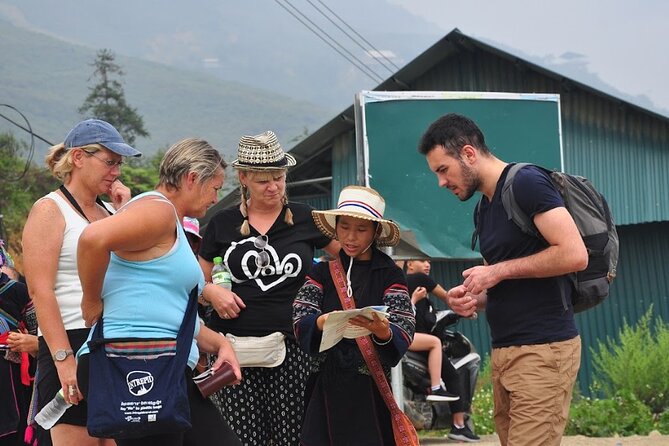
The Ha Giang option is a useful planning advantage. Instead of going back to Hanoi, you can take a bus directly from Sapa. Two departures are listed: a limousine bus at 14:30 and another bus at 19:00.
The 14:30 limousine has 18 seats and departs from May Hotel. The journey to Ha Giang takes about six hours. This option may work well if you want to connect two northern Vietnam regions in one trip, but it also means leaving the Sapa area according to a fixed schedule.
You need to confirm whether the Ha Giang transfer replaces the usual return arrangement and whether it is included in your selected package. The tour information describes it as an extra option, so do not assume it is part of the $56 base price without checking.
What the $56 price really covers
At $56 per person, this is a strong value for a three-day mountain trip. The listed inclusions cover transport, a local English-speaking guide in Sapa, a Ta Van homestay, private Bac Ha transport and guide, selected entrance fees, meals, tax, and the overnight train when that option is chosen.
The value is less impressive if you expect comfort and privacy. The homestay uses shared sleeping arrangements and a public bathroom. Drinks, insurance, tips, personal spending, and holiday surcharges are extra. A surcharge of 700,000 Vietnamese dong per person applies on April 30, May 1, September 1 through 3, December 31, and January 1.
The tour has a maximum of 15 people, which is small enough to keep the walking group manageable. It is not a private Sapa trek, however. The Bac Ha section is described as private, while the Sapa guide and route may involve a group.
You can cancel for a full refund up to six days before the experience. That gives you some useful flexibility, especially because Bac Ha depends on a Sunday departure.
Who should book this Sapa and Bac Ha trip?
I would choose this tour if you want a lot of northern Vietnam in a short period. You get an overnight train, several ethnic villages, two days of walking, a local homestay, Sunday market time, and a possible onward trip to Ha Giang.
It suits people who can manage moderate walking and basic accommodation. Bring sturdy footwear, water, and a light bag. You should also be comfortable with early starts, shared sleeping space, public bathrooms, and transport changes.
I would not choose it if you want a leisurely hotel holiday, private facilities, or a tightly controlled schedule. The first morning is demanding, and the market day involves another long transfer. The reward is access to places and local contact that would be harder to arrange on your own at this price.
FAQ
Where does the tour start?
It starts at Hanoi Train Station, Ga Hà Nội, at 120 Lê Duẩn in Hanoi.
How long does the experience last?
The tour lasts approximately three days.
Does the tour use an overnight train?
The itinerary includes an overnight train from Hanoi toward Lao Cai, departing around 21:30, depending on the option selected at booking.
Where do I sleep in Sapa?
You sleep at a homestay in Ta Van. The accommodation has a shared room or a single mattress and a public bathroom.
Is Bac Ha Market open every day?
No. Bac Ha Market takes place only on Sunday morning.
Are meals included?
Dinner, three lunches, and three breakfasts are listed as included. Drinks are not included.
Can I continue to Ha Giang instead of returning to Hanoi?
Yes. An extra option allows you to take a bus from Sapa to Ha Giang. Departures are listed at 14:30 and 19:00, with the earlier limousine journey taking about six hours.
Should you book it?
Book this trip if your priority is authentic village walking, local guidance, and strong value, not comfort. The praised cultural guidance, particularly from Suà, and the combination of Ta Van and Bac Ha give the itinerary real substance. Just prepare for the overnight train, muddy paths, shared homestay, and demanding timetable. If those sound like part of the adventure rather than problems, this is a practical way to see northern Vietnam beyond Sapa town.
More Markets in Hanoi
More Train Experiences in Hanoi
- Sapa: 3-Day, 3-Night Trek and Hotel with Overnight Train
★ 4.2 · 64 reviews - Sa Pa Trekking 2 Days 3 Nights Homestay by Night Train
★ 4.5 · 11 reviews - Sapa Trekking Tour by Night Train from Hanoi 3 Nights – 2 days
★ 5.0 · 7 reviews - 2 days 3 Nights Sapa Trekking Tour by Night Train from Hanoi
★ 4.0 · 7 reviews
Recently added around Hanoi
- Trekking around Ha Giang 5 days 4 nights★ 3.0 · 2 reviews
- From Hanoi : Sapa Moutain Trek – Halong bay Heritage★ 4.5 · 25 reviews
- 2-Day SAPA Trekking – Villages-Homestay-Ethnic-Local Food-Market★ 5.0 · 2 reviews
- 8-Days Hanoi, Sapa Trekking And Halong Bay Cruise★ 5.0 · 8 reviews
- Hanoi: 3D2N Mu Cang Chai Visit All Attractions, Trek, Ethnic Life★ 5.0 · 3 reviews
- Mai Chau – Pu Luong trekking 3 days 2 nights★ 4.5 · 7 reviews
- Trekking In Ha Giang 5 Days★ 5.0 · 4 reviews
- Sapa trekking – Unique Route – 2D1N★ 5.0 · 3 reviews
Homestay & Village Treks, compared.
Number one top rated ethical cultural trekking and homestay by ETHOS
Read our review →
2-Day Sa Pa Ethnic Homestay Tour & Trek with Limousine Bus
Read our review →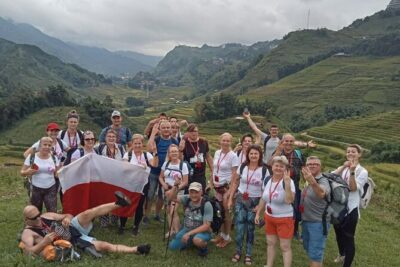
Sapa 3 Day 2 Night Trekking With Hotel & Homestay
Read our review →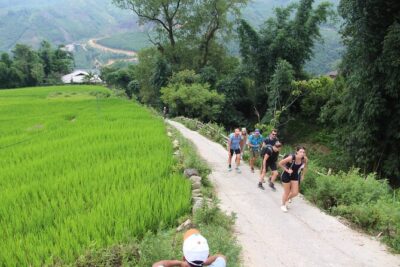
Sapa 2 Days 1 Night Overnight At Local Homestay
Read our review →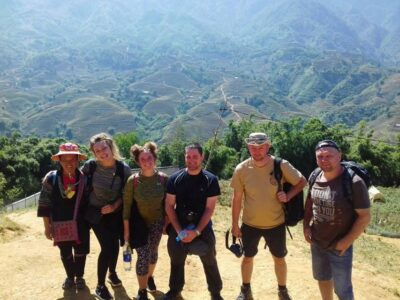
2-Day Trekking Trip with Ethnic Minority Homestay
Read our review →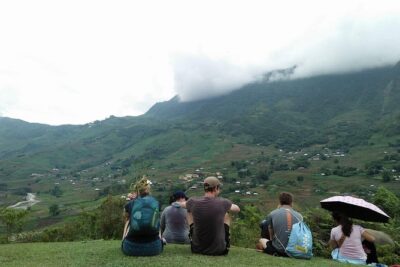
2-Day Trek & Heartwarming Homestay with an Ethnic Family
Read our review →Browse the lists this tour appears in