
REVIEW · HANOI
3D2N- Rice Terraces Treks & Easy rider from Sa Pa
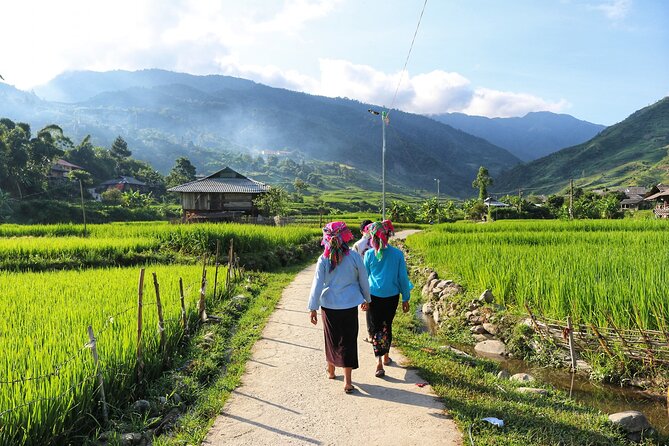
Rice terraces reward the long road north. This three-day trip takes you from Sapa to Mu Cang Chai, a quieter mountain area where H’mong and Thai communities live among steep rice fields, streams, and high passes. I like the uncrowded trekking routes and the chance to see village life without a parade of souvenir stalls.
I also like the mix of transport: a local bus, motorbike rides, one full day on foot, and a nighttime sleeper bus back to Hanoi. The main drawback is the travel time. The first bus ride takes six to seven hours, the homestay is communal, and some mountain roads are bumpy. You need a moderate level of fitness and a willingness to trade comfort for access.
Key points at a glance
- Six to seven hours from Sapa to Khau Pha: The first day is mostly road travel, with breaks along the way.
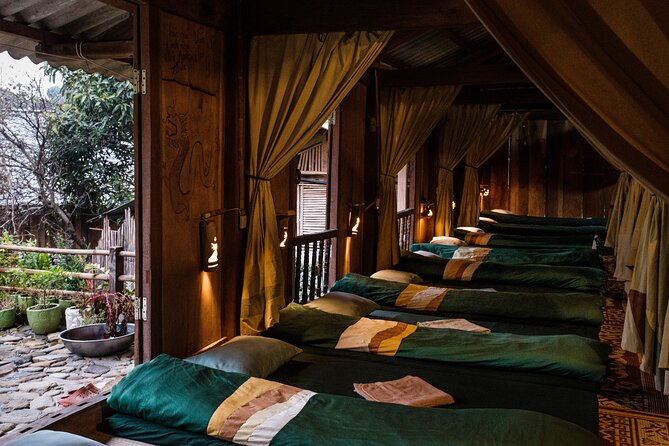
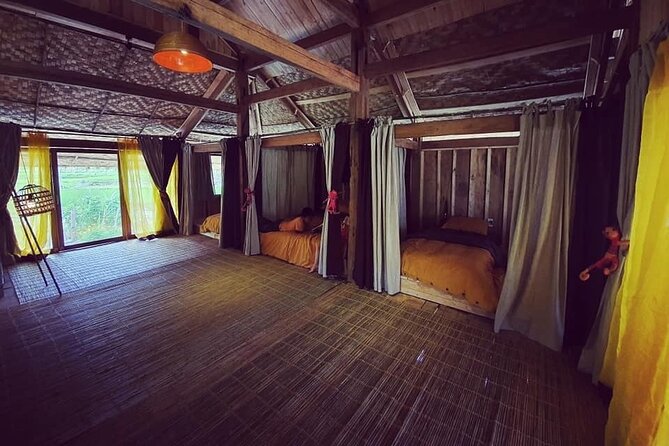
- Traditional stilt-house homestay: You sleep on a thin mattress on the floor in a shared room, not in a private bedroom.
- Full-day easy rider tour: A local driver takes you through Mu Cang Chai, bamboo forest, H’mong villages, and famous rice terrace viewpoints.
- Full-day stream and terrace trek: The route crosses narrow trails, a small suspension bridge, mountain paths, and three connecting streams.
- Excellent seasonal flexibility: In the busy rice season, your guide may use quieter alternatives to Mam Xoi and Mong Ngua hills.
- Useful return transport: A 10:30 PM sleeper bus takes you toward Hanoi, arriving around 5 AM before a transfer to the Old Quarter.
Why Mu Cang Chai is worth the extra effort
Sapa is better known and easier to reach, but Mu Cang Chai offers a different kind of mountain experience. Here, the rice terraces are the main event, and the trip spends real time among them rather than stopping only for a quick photo.
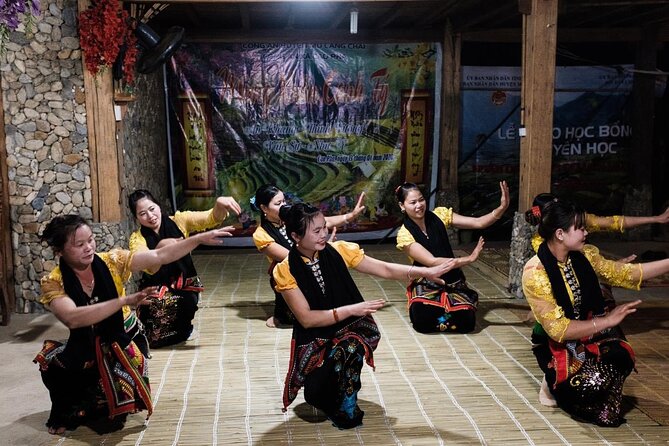
The area also gives you contact with H’mong and Thai communities. That matters because the visit is built around local guides, a family homestay, village walks, and food prepared at the house. The tourism project aims to support a small community rather than funneling every visitor through a large resort.
You should know that this is not a polished sightseeing circuit. The reward comes from quiet paths, mountain roads, local meals, and simple accommodation. If you want a soft bed, predictable road conditions, and short transfers, this is not the right choice.
More Rice Terrace Treks in Vietnam
- Fansipan Mountain, Cat Cat Village, Rice Terrace 2 Day Sapa Tour
★ 5.0 · 5 reviews - Sa Pa: Muong Hoa Valley Trek and Local Ethnic Villages
★ 4.6 · 864 reviews - Explore Sapa by TrekkingAdventures, Mountain,Rice fields
★ 4.9 · 229 reviews
Day 1: The long road from Sapa to Cao Phạ
The trip begins at 9 AM from 599 Dien Bien Phu in Sapa town. Arrive at least 15 minutes early. The bus heads toward Khau Pha in the Mu Cang Chai area, with a total journey of about six to seven hours and a couple of breaks.
That first day requires patience. You will spend much of it looking out at northern Vietnam from the road rather than walking through the rice fields. The payoff comes later, so I would treat this as a transfer day and avoid scheduling anything important in Sapa that evening.
You reach Khau Pha at about 3 PM. The homestay owner meets you and takes you by motorbike down to the village. This short ride is part of the practical charm of the trip, but you should be comfortable riding as a pillion passenger.
The homestay is in a traditional local house on stilts. There is no private room. Your sleeping area is a single, thin mattress on the floor in a large communal space. That arrangement gives you a direct look at local home life, but it also means less privacy and a simpler night than you may expect from a $311 tour.
Dinner is served at the homestay, and you spend the night there. Meals are part of the price, including three dinners, two breakfasts, and two lunches across the trip. Drinks and personal purchases are extra.
Day 2: Motorbike roads, H’mong villages, and bamboo
After breakfast, you begin the full-day pillion motorbike tour. Tell the operator at booking if you want this motorbike day first, or if you prefer to arrange the trekking day first. The program allows some choice, but advance notice helps the team organize local drivers and guides.
The ride takes you from the village toward Mu Cang Chai town over Khau Pha Pass. The pass is one of the defining sights of the area. Its high position gives you broad views down toward the valleys and rice terraces, and it is also known as a location for paragliding.
The first major stop is a village outside Mu Cang Chai. You walk among a large system of rice terraces and meet a H’mong family. This is a useful part of the day because the focus is not just on scenery. You get a chance to see how village life fits around the fields and to ask about local culture through your guide.
The next stop is a bamboo forest. Its orderly rows can recall Kyoto’s Arashiyama Bamboo Grove, although the setting here is much more rural and tied to the surrounding mountain villages. Lunch is a picnic beneath the bamboo, which keeps the day relaxed and simple.
The road is sometimes rough. A motorbike is a practical way to reach viewpoints scattered across the hills, but the ride will not suit anyone who dislikes uneven roads or feels uneasy on a motorcycle. The tour provides a local rider, rather than asking you to drive yourself.
Day 2 afternoon: Mam Xoi, Mong Ngua, and the rice season
In the afternoon, the ride continues to several of Mu Cang Chai’s best-known terrace viewpoints. Mam Xoi Hill, Mong Ngua Hill in La Pan Tan Commune, and Che Cu Nha Commune are the headline stops.
The timing matters. From the end of September to the middle of October, the rice terraces are in the high tourism season. At that time, your guide may take you to alternative viewpoints instead of Mam Xoi and Mong Ngua. This is a smart approach. You may see equally strong views with far fewer people, rather than spending the day competing for the same picture.
The exact quality of the views depends on weather and the growing season. The tour requires good weather, and poor conditions can lead to a new date or a full refund. You should also expect the mountain roads to remain rough even when the sky is clear.
On the return journey, the group stops at the top of Khau Pha Pass. From here, you can look across the Lim Mong Valley and see the terraces spread below. It is one of the clearest moments for understanding how the villages, streams, roads, and fields fit together.
Back at the stilt house, dinner is prepared in the Thai style. You spend a second night in the shared sleeping area. After a full day on a motorbike and on foot at the stops, the communal setup may feel either friendly or tiring, depending on how much privacy you need.
More Rice Terrace Treks in Hanoi:
- Selogriyo Temple and Trekking Java Rice Terraces, hidden waterfall -Nature Java
★ 5.0 · 179 reviews - Sa Pa: 6-Hours Muong Hoa Valley Trek with Local Ethnic guide
★ 4.5 · 178 reviews - Yogyakarta: Selogriyo Temple Tour & Java Rice Terrace Trek
★ 5.0 · 175 reviews - Sapa Muong Hoa Valley & Ta Van Eco Village Scenic Tour (No Trek)
★ 5.0 · 144 reviews
Day 3: A stream walk through Lim Mong Valley
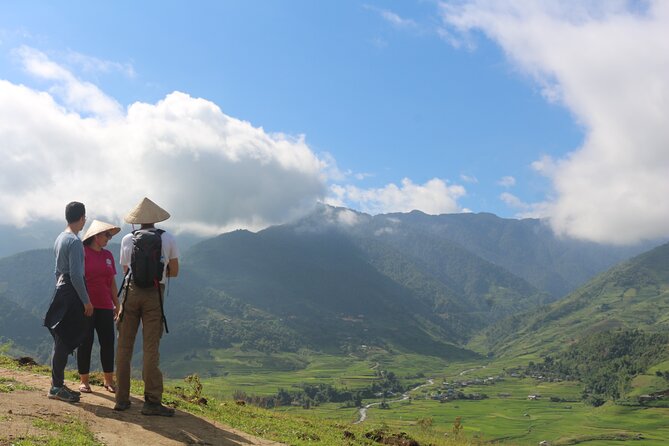
The final full day begins early, at about 7 AM. You travel from the homestay toward Ta Dzong village on the other side of Lim Mong Valley. The morning light gives you a chance to see the valley before the walking route begins.
From Ta Dzong, the trail follows a narrow path toward the small creek of Nam Kim Stream. The route includes mountains, winding water, and H’mong rice terraces. This is the day to bring proper walking shoes. Trekking gear is not included, and the tour specifically tells you to arrange your own backpack and footwear.
After more than an hour, you stop at a larger section of the stream. You then cross a small suspension bridge and continue along a road lined by rice fields on both sides. The trail heads uphill toward Khao Nha Duoi, a high H’mong village.
The route takes about two hours before reaching the meeting point of three streams: Nam Kim, Nam Lung, and Mong Han. You cross the water and follow mountain trails back toward the village. The walking day lasts about six hours in total, with a further four hours listed for the return portion and evening activities.
This is not a flat walk. The itinerary includes narrow paths, stream crossings, suspension bridges, and mountain trails. A moderate fitness level is required, and conditions can change with the weather. You should be ready for mud, uneven ground, and a slower pace than you would find on a paved town walk, though the exact surface is not specified.
The evening foot bath and the overnight bus
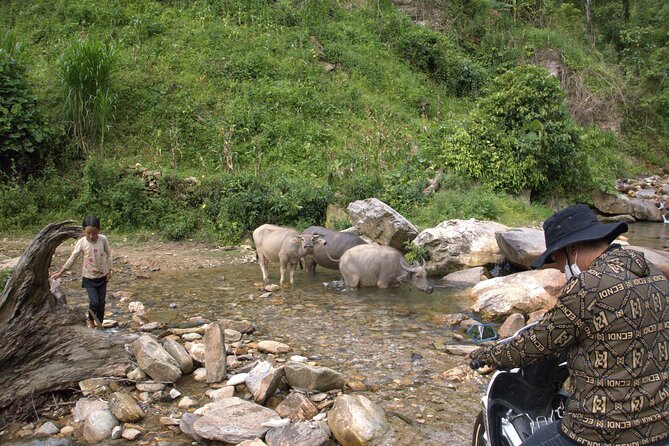
After returning to the homestay, you have dinner and can soak your feet in hot water with wild leaves. You can also choose an herbal bath using leaves gathered from the forest. This is a small but worthwhile finish after the trek, especially if your legs are tired.
At 10 PM, a motorbike takes you to the bus pickup point. The sleeper bus leaves at about 10:30 PM and reaches Hanoi around 5 AM. From there, a transfer takes you back to the Hanoi Old Quarter.
The schedule is efficient, but it is not restful in the usual sense. You finish a long walking day, take a late transfer, sleep on a bus, and arrive early in the morning. Plan a quiet morning after arrival if your wider Vietnam itinerary allows it.
What the $311 price includes
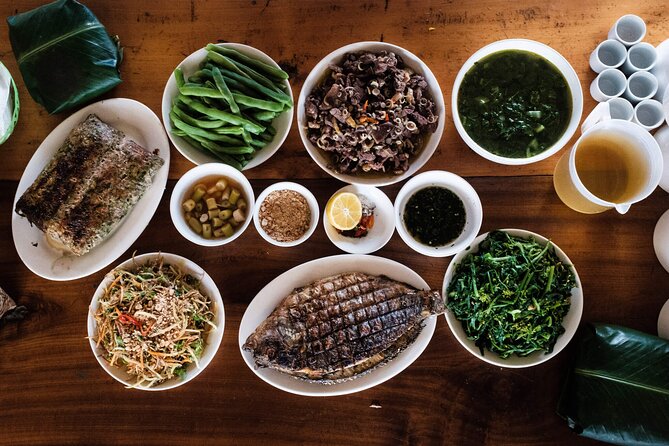
At $311 per person, this trip is not a cheap regional transfer. It includes several moving parts that would be difficult to arrange independently in a short visit:
- Bus from Sapa to Khau Pha
- Sleeper bus from Khau Pha to Hanoi
- Transfers between the homestay, bus points, and Hanoi Old Quarter
- Motorbike taxi rides during the program
- A full-day motorbike tour with a local guide and rider
- A full-day trek with a local guide
- Two lunches, three dinners, and two breakfasts
- Herbal foot bath
The value is strongest if you want local coordination. You are paying for access to remote villages, transport over mountain roads, local drivers, guides, meals, and a planned return to Hanoi. You also avoid having to negotiate several separate rides in an area where routes and schedules may not be simple.
The value is weaker if you mainly want a private room or a luxury ride. The sleeping arrangement is basic, drinks are not included, and trekking shoes, backpacks, insurance, VAT, and other taxes are extra.
The group can have up to 20 people. That is small enough to keep the trip manageable, but it is not a private tour. If you book as a couple or solo, ask how the group and sleeping arrangements will be handled.
The people and the human side of the trip
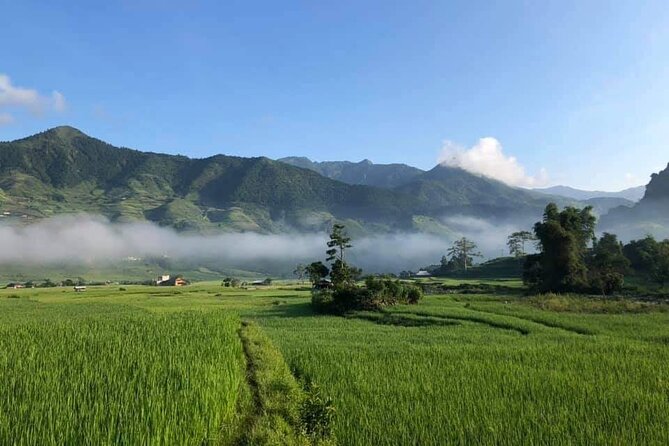
The strongest part of the experience is the contact with the local community. You stay with a family, eat their cooking, meet H’mong residents, and travel with local riders. That creates more meaningful contact than simply stopping at a roadside viewpoint.
The tour team is associated with Lam, who handles guest communication and organization. One of the families connected with the experience includes Jack, and the local team is repeatedly described as helpful and smooth in its arrangements. I would still confirm the name of your individual trekking guide and driver before departure, since the available details do not assign every role by name.
The focus on a small village and responsible tourism gives the trip a useful purpose. Your spending supports local accommodation, meals, guiding, and transport. Still, responsible travel depends on your behavior too: ask before photographing people, follow your guide’s advice around homes and fields, and keep waste with you.
Who should book this trip
I would recommend it to you if you want:
- Rice terraces away from the busiest northern Vietnam routes
- A close look at H’mong and Thai village life
- A full trekking day rather than only viewpoint stops
- A motorbike tour with a local rider
- Simple food and homestay accommodation
- A trip that connects Sapa with Hanoi without returning by the same route
It suits solo visitors, couples, and small groups who are comfortable sharing space. It also works well for people who value local contact more than hotel comfort.
I would hesitate to recommend it if you need a private bedroom, dislike motorbikes, have trouble with long bus journeys, or are not comfortable with stream crossings and uneven paths. The first and final transport days are especially demanding.
The strongest praise connected with this experience centers on the scenery, warm village contact, good food, and smooth organization. Those are fair reasons to choose it. Just understand that the same simplicity that makes the trip feel local also creates its rough edges.
Booking and practical advice
The activity offers free cancellation if you cancel at least 24 hours before the start time. Changes or cancellations inside that window are not accepted for a refund. Poor weather or failure to reach the required minimum group size can lead to a different date, another experience, or a full refund.
The information gives both a Sapa departure point and a Hanoi meeting point, so confirm the exact place and time for your booking. The stated Sapa bus pickup is 599 Dien Bien Phu, while the operator’s meeting point is listed at DCT Responsible Travel, 24A To Ngoc Van Street, Tay Ho, Hanoi. That apparent difference should be cleared up before you set out.
Pack light, bring proper walking shoes, and carry only what you need for two nights. A small backpack will be easier on the motorbike and trail than a large suitcase. Bring money for drinks and personal costs, since those are not covered.
Should you book the Mu Cang Chai trip?
Book it if your priority is terraces, village contact, and local transport, and you are ready for basic accommodation and long road transfers. The combination of a motorbike day, a stream trek, family meals, and a shared stilt house gives you a fuller picture of Mu Cang Chai than a quick photo stop.
Skip it if comfort, privacy, or easy walking matters most. At $311, the price makes sense for the transport and local planning, not for hotel-style amenities. For the right kind of visitor, this is a memorable and practical way to reach one of northern Vietnam’s most striking rice-growing regions.
FAQ
Where does the trip begin?
The bus departs at 9 AM from 599 Dien Bien Phu in Sapa town. You should arrive about 15 minutes early.
Where does the trip end?
The activity ends in Hanoi after the sleeper bus arrives at about 5 AM and a transfer takes you back to Hanoi Old Quarter.
How long is the bus ride from Sapa to Khau Pha?
The daytime bus ride takes about six to seven hours, with a couple of breaks.
Is the homestay private?
No. You sleep on a single mattress on the floor in a large communal area of a traditional house on stilts.
What meals are included?
The price includes two lunches, three dinners, and two breakfasts. Drinks and personal expenses are not included.
Is a motorbike tour part of the program?
Yes. The trip includes one full-day pillion motorbike tour with a local guide and rider.
Is trekking included?
Yes. The program includes one full day of trekking with a local guide through streams, mountain trails, villages, and rice terraces.
What equipment should I bring?
Trekking equipment is not included. You should bring your own backpack, suitable walking shoes, and other personal trekking gear.
How fit do I need to be?
You need a moderate level of physical fitness. The trek includes narrow paths, stream crossings, a small suspension bridge, and mountain trails.
Can I cancel for a refund?
You can cancel at least 24 hours before the start time for a full refund. Cancellations or changes made less than 24 hours before departure are not refunded.
More Three-Day Treks in Hanoi
- Sapa 3 Days 2 Nights Trekking Tour (1 Night In Ta Van Village, 1 Night In Hotel)
★ 5.0 · 699 reviews - 3-Day Trekking Adventure of Sapa from Hanoi – Stay Ta Van Village
★ 5.0 · 611 reviews - Hanoi – Sapa 3 Day 2 Night Trekking With Hotel & Homestay
★ 5.0 · 389 reviews - From Hanoi: Trek and Stay: 3-Day Sapa Highlands Adventure
★ 4.6 · 152 reviews
Recently added around Hanoi
- Trekking around Ha Giang 5 days 4 nights★ 3.0 · 2 reviews
- From Hanoi : Sapa Moutain Trek – Halong bay Heritage★ 4.5 · 25 reviews
- 2-Day SAPA Trekking – Villages-Homestay-Ethnic-Local Food-Market★ 5.0 · 2 reviews
- 8-Days Hanoi, Sapa Trekking And Halong Bay Cruise★ 5.0 · 8 reviews
- Hanoi: 3D2N Mu Cang Chai Visit All Attractions, Trek, Ethnic Life★ 5.0 · 3 reviews
- Mai Chau – Pu Luong trekking 3 days 2 nights★ 4.5 · 7 reviews
- Trekking In Ha Giang 5 Days★ 5.0 · 4 reviews
- Sapa trekking – Unique Route – 2D1N★ 5.0 · 3 reviews
Rice Terrace Treks, compared.
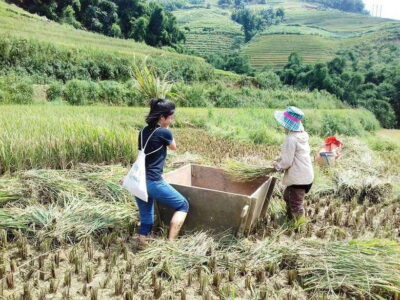
Muong Hoa Valley Trek and Local Ethnic Villages
Read our review →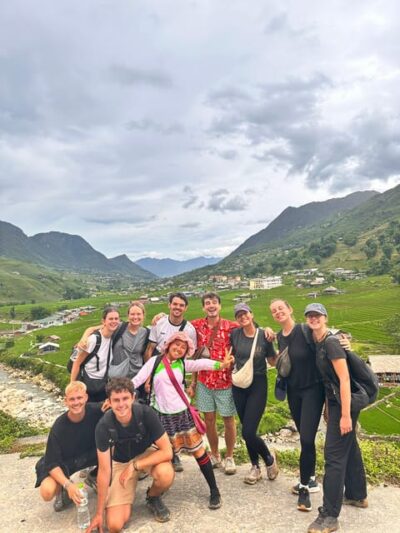
Explore Sapa by TrekkingAdventures, Mountain,Rice fields
Read our review →
Selogriyo Temple and Trekking Java Rice Terraces, hidden waterfall -Nature Java
Read our review →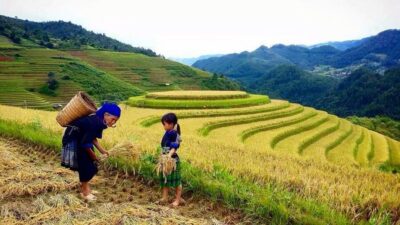
6-Hours Muong Hoa Valley Trek with Local Ethnic guide
Read our review →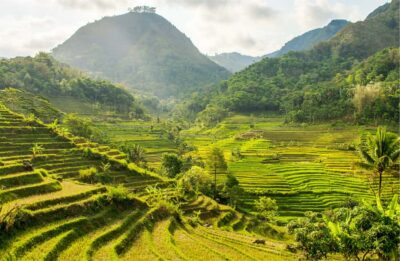
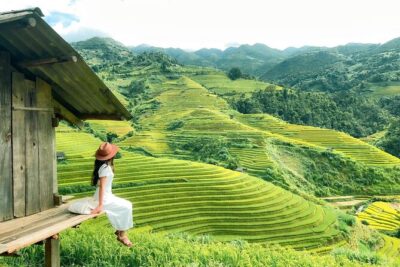
Sapa Muong Hoa Valley & Ta Van Eco Village Scenic Tour (No Trek)
Read our review →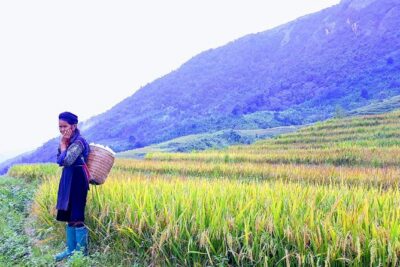
Daily Tour: Sapa Trekking in Muong Hoa valley, Bamboo forest
Read our review →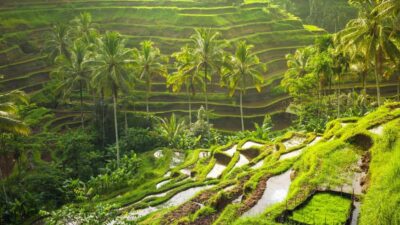
Rice Terrace, Holy Water Temple & Waterfalls Trek Tour
Read our review →Browse the lists this tour appears in