
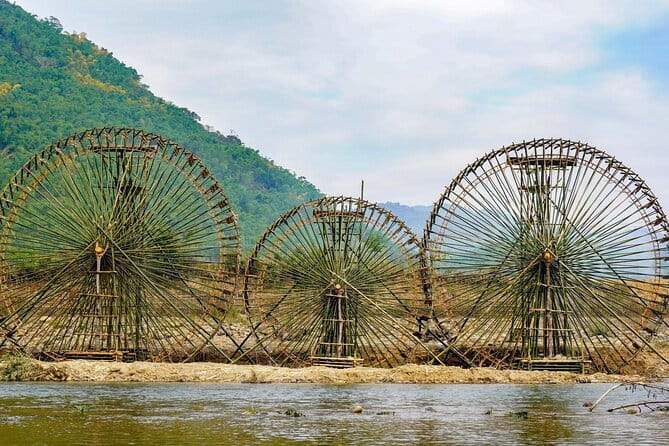
REVIEW · VIETNAM
Pu Luong Amazing Trekking Village,Rafting,Swimming, Lunch on Boat
Slow mornings do not get much better. This four-hour Pu Luong outing combines silk weaving and village life with a gentle countryside walk, ancient waterwheels, and bamboo rafting along Cham Stream. I especially like the hands-on craft visit and the chance to eat lunch on the boat rather than in a standard restaurant. The main consideration is the schedule: the morning moves quickly, and the 4-kilometer trek may feel demanding if you are not comfortable walking on rural paths.
You meet at Puluong Retreat at 8:30 AM and return there around 12:15 PM. The small group, capped at 12 people, should make it easier to hear the English-speaking guide and ask questions. Guides such as Nga and Lila have been praised for their warmth, clear English, cultural explanations, and easy conversation. Swimming is mentioned in the experience, but the fixed itinerary specifically describes rafting and a stop at Cham Stream, so confirm the swimming conditions on the day.
The Best Parts of This Pu Luong Morning

- Try silk weaving in Lan Village: You do not just look at a finished product. A local household shows you how silk is processed and woven, with a chance to practice.
- See working waterwheels in Chieu Lau Village: Ancient wheels still connect daily life with the stream and nearby farms.
- Walk 4 kilometers through the countryside: The route links villages, rice fields, mountain views, and a local home visit.
- Eat lunch on a bamboo raft: The meal is served while you float along Cham Stream, which gives the final hour a relaxed feel.
- Keep the group small: A maximum of 12 people is a useful balance between company and personal attention.
- Pay $35 for several activities: Transport, guide, entry fees, bottled water, rafting, and lunch are included, making the price reasonable for a half-day outing.
Why This Four-Hour Tour Works
Pu Luong is best appreciated at walking speed. You see more from a path between fields than from a vehicle window, and you learn more from a family home than from a large visitor center. This experience brings those pieces together without taking an entire day.
The morning has a clear rhythm. First comes local craft and village life. Then you see farming equipment and waterwheels. After that, you walk toward the stream and finish on the water with lunch. The program feels varied, but not overloaded with unrelated stops.
I also like the small size. With no more than 12 people, the guide can explain how things work, answer questions, and keep the group together on the walk. Several accounts praise Nga for being energetic, friendly, and good at explaining local customs, plants, and everyday life. Lila is also described as kind and helpful. Guide quality matters here because much of the value comes from understanding what you are seeing.
This is not a strenuous mountain expedition. Still, it is not a sightseeing ride either. The 4-kilometer walk requires reasonable mobility, and the route may include uneven rural ground. The information provided says most people can participate, but you should still wear shoes suitable for walking and bring water beyond the included bottle if you tend to drink a lot.
A few more treks around Vietnam worth a look
- Sa Pa: Muong Hoa Valley Trek and Local Ethnic Villages
★ 4.6 · 864 reviews - From Hanoi: 2-Day Sapa Trekking Trip with Homestay & Meals
★ 4.8 · 704 reviews - Sapa 3 Days 2 Nights Trekking Tour (1 Night In Ta Van Village, 1 Night In Hotel)
★ 5.0 · 699 reviews
8:30 AM: Leaving Puluong Retreat for Lan Village
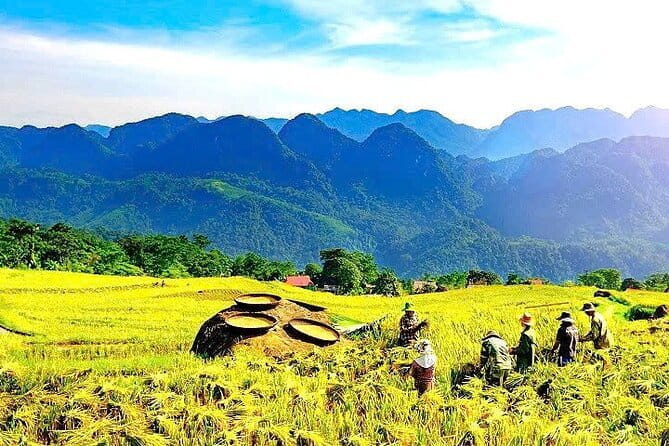
The tour begins at Puluong Retreat in Thành Lâm, Bá Thước District. Pickup is offered, and the stated meeting time is 8:30 AM. An air-conditioned vehicle takes you through rice fields and mountain scenery toward Lan Village.
That short drive is useful. It gives you a look at the setting before the walking begins, and it saves your energy for the village route. Pu Luong is not presented here as a single grand monument. Its appeal comes from rice paddies, streams, homes, craft work, and the way farming fits into the valley.
Because the whole activity lasts about four hours, punctuality matters. A late start could shorten time at one of the village stops or reduce the relaxed feel of the raft ride. The end point is the same as the start, so you do not need to arrange a separate return from Cham Stream.
Lan Village and the Silk-Weaving Demonstration
The first major stop is a Thai household in Lan Village. Here, local artisans explain silk weaving and give you an opportunity to try it yourself. The hands-on element makes this more useful than simply passing a workshop window.
The craft visit also gives the guide a natural way to explain local work. One account specifically describes seeing bamboo and cotton processing up close, while the tour description focuses on silk weaving. Taken together, the morning may include a broader look at traditional materials and craft production, but silk weaving is the clearly stated activity.
Do not expect a long professional workshop. This is a short village visit within a compact tour. You will likely get an introduction, a demonstration, and a brief attempt at the process rather than a finished textile to take home. That is still enough to change how you look at the cloth sold in markets and shops later in your Vietnam trip.
The local-home setting is part of the appeal. You are not only seeing a product. You are meeting the people connected with its making and getting a glimpse of work that fits into ordinary village life.
Chieu Lau Village and the Old Waterwheels
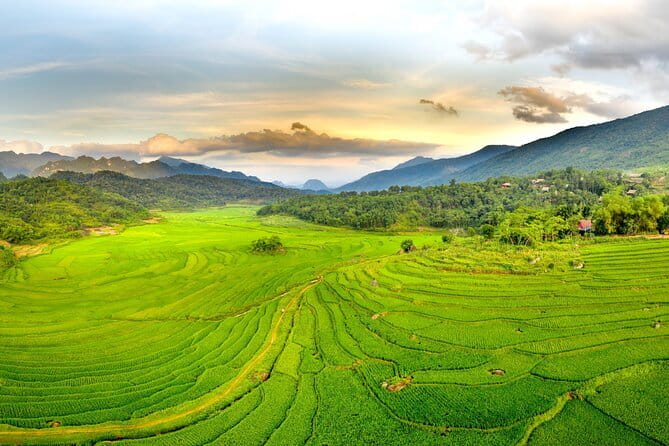
The route continues to Chieu Lau Village, where you see ancient waterwheels and traditional farming methods. This is a small but meaningful stop because the equipment explains how water, fields, and village life are linked.
Waterwheels are easy to photograph, but they are more interesting when you understand their purpose. Here, the guide can connect the wheels with farming practices and the use of the stream. The stop helps turn a pretty view into a readable one. You begin to see why the rice fields are placed where they are and why waterways matter so much to local communities.
The wording of the experience suggests that the farming methods are still visible in action. That means the stop is not just an old object displayed for tourists. You may see a working rural system, though the exact activity can vary with the season and daily conditions.
This part will appeal most if you enjoy practical culture. If your priority is dramatic scenery or a long trek, the waterwheel visit may feel brief. For me, it is valuable because it gives context before the walk and rafting.
Same trailhead, a longer or shorter day out:
- Hanoi – Sapa 2 Days 1 Night Overnight At Homestay
★ 5.0 · 899 reviews - Sapa: Eco Adventure Terrace Fields and Local Villages Trek
★ 4.9 · 636 reviews - 3-Day Trekking Adventure of Sapa from Hanoi – Stay Ta Van Village
★ 5.0 · 611 reviews - From Ho Chi Minh City: Can Gio Mangrove & Monkey Island Trek
★ 4.7 · 512 reviews
10:00 AM: The 4-Kilometer Walk to Cham Stream
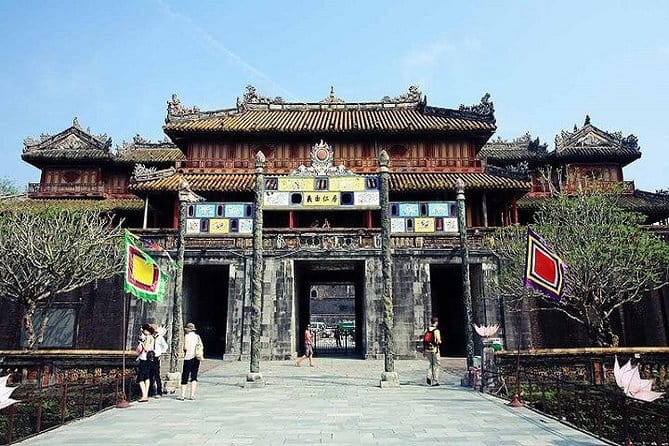
At about 10:00 AM, you begin a 4-kilometer trek toward Cham Stream. This is the central outdoor section, passing through rice fields, forests, villages, and mountain country.
The route sounds more like a countryside walk than a technical hike. That is good news for families and people who want an active morning without committing to a full-day mountain route. A family with children aged two and six found the overall outing suitable, including rafting and local visits. Still, small children may need help or carrying during parts of the walk, and the provided information does not specify the path surface or elevation.
You should wear closed shoes with a firm sole. The description does not promise paved paths, and village routes can be uneven. Bring sun protection and comfortable clothing. Bottled water is included, but another drink may be sensible if you usually need more during a walk.
The countryside is the main show here. Rice paddies change appearance with the growing season, and the views are framed by hills, homes, and streams. The guide adds value by pointing out plants, local customs, and details of daily life that you might otherwise pass without noticing.
One of the strongest parts of the experience is the pace. You are not rushed from one photo stop to another. The route gives you time to walk, talk, and observe how the villages connect with the fields.
A Local Home and Regional Hospitality

During the walk, you stop at a local home. The stated plan is to experience regional hospitality, and the accounts describe tea in a local house, contact with local people, and a small meal in a village café.
This stop may be simple, which is exactly why it works. You get a break from the path and a chance to see a more personal side of Pu Luong. It is also a good moment to ask the guide about household life, farming, food, and customs.
Do not treat the home visit as a staged cultural show with a large performance. The strength is the informal contact. The exact food or drink served can vary, and the included lunch is the meal on the boat, not necessarily a full meal at the house.
Respect matters. Ask before photographing people or interiors, and follow the guide’s lead. A friendly hello and a willingness to listen will take you further than arriving with a checklist of photographs.
10:45 AM: Bamboo Rafting on Cham Stream
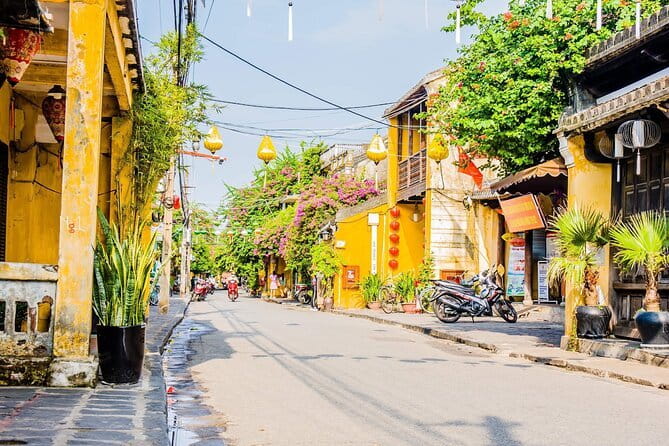
Around 10:45 AM, you reach Cham Stream for the bamboo rafting section. You float past forest, rice paddies, and villages while lunch is served on the boat.
This is a clever ending to the active part of the morning. After walking four kilometers, you can sit back, watch the scenery move slowly, and enjoy a meal without another transfer. The bamboo raft gives you a close-to-the-water view that a bus or van cannot provide.
The rafting sounds gentle rather than thrilling. There is no suggestion of white-water action or a high-speed ride. If you want adventure in the extreme-sports sense, this may feel tame. If you want a quiet, scenic activity that works for a range of ages, it is a strong fit.
Swimming is associated with the experience, and one account refers to swimming at a waterfall. However, the formal timing describes arrival at Cham Stream for rafting and lunch, not a guaranteed swimming stop. Water levels, weather, and the day’s schedule may affect this. Ask the guide at the beginning if swimming is planned, and bring suitable clothing if you hope to take part.
Lunch on the Boat
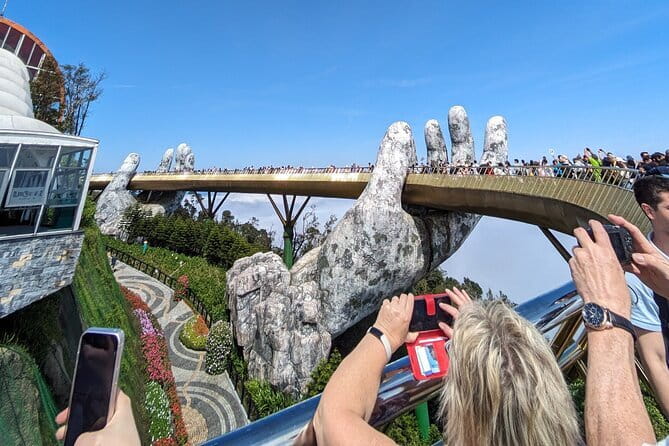
Lunch is included and served during the raft ride. This is one of the tour’s most memorable touches because the meal becomes part of the setting rather than a pause from it.
The food has received strong praise, but no fixed menu is provided. You should not assume a particular dish or dietary arrangement. If you have dietary needs, contact the provider before booking rather than waiting until the morning of the tour.
Drinks are not included, apart from bottled water provided during the tour. Budget for any additional drinks you want. The $35 price covers the meal itself, transport, rafting, guide service, entry fees, and bottled water, so extra spending should be limited to drinks, gratuities, and personal purchases.
Eating on a bamboo raft also means conditions may be basic. This is not a restaurant with a formal dining room. It is a simple meal with the stream, fields, and village views around you. That informality is part of the charm, but it may not suit someone looking for a polished dining experience.
Is $35 Good Value?
At $35 per person, the tour offers a lot for a four-hour morning. You get round-trip transport from the meeting point, an English-speaking local guide, entry fees, a craft visit, village stops, a 4-kilometer walk, bamboo rafting, lunch, and bottled water.
If you arranged each part separately, the guide and transport alone could make the day more complicated. The tour also removes the need to negotiate a raft ride or find a suitable lunch stop after walking. For a first visit to Pu Luong, that convenience has real value.
The price is less attractive if you only want a long, quiet hike. A substantial part of the morning is spent at cultural stops and on transport, so this is best understood as a compact culture-and-nature sampler, not a dedicated trekking trip.
The maximum group size of 12 is another point in its favor. A private tour would offer more flexibility, but this setup should keep the cost moderate while allowing some personal contact with the guide.
Who Should Book This Experience?
I would recommend it to you if you want several sides of Pu Luong in one morning. It suits first-time visitors, families, couples, and anyone who prefers local contact over a long list of viewpoints.
It is especially good for you if you enjoy:
- Light-to-moderate countryside walking
- Traditional crafts and farming practices
- Small village visits
- Gentle water activities
- Simple local food
- Guide-led cultural explanation
Families can consider it, since the activity has worked well for a group with children aged two and six. Even so, the adults should be ready to manage the children during the walk and around the water.
I would think twice if you need a fully accessible route, a guaranteed swim, a fixed food menu, or a serious trekking challenge. The provided information says most people can participate, but it does not give detailed accessibility information or promise the exact swimming conditions.
Free cancellation is available if you cancel at least 24 hours before the 8:30 AM start. Changes or cancellations inside that window are not refunded, so keep the cutoff in mind when making plans.
Should You Book the Pu Luong Rafting and Trekking Tour?
Book it if you want a well-priced introduction to Pu Luong that mixes craft, farming, walking, local hospitality, and time on the water. The silk demonstration, old waterwheels, and lunch on the bamboo raft give the morning more character than a simple scenic drive.
I would book this before a longer trek if your time is limited or if you are traveling with children. Choose another format if your main goal is a demanding hike or a guaranteed swim. For most people seeking a friendly, active, culture-focused morning, the $35 cost is fair and the four-hour plan is easy to fit into a Pu Luong stay.
FAQ
Where does the Pu Luong tour start?
It starts at Puluong Retreat in Thành Lâm, Bá Thước District, Thanh Hoa, Vietnam.
What time does the tour begin?
The stated start time is 8:30 AM.
How long does the experience last?
The activity lasts approximately four hours and finishes around 12:15 PM.
Where does the tour end?
It ends back at the meeting point at Puluong Retreat.
How long is the trek?
The walking section is approximately 4 kilometers, beginning around 10:00 AM and leading toward Cham Stream.
Is lunch included?
Yes. Lunch is included and is served on the bamboo boat during the Cham Stream rafting section.
Is transportation included?
Yes. An air-conditioned vehicle and pickup service are included.
Are drinks included?
Bottled water is included. Other drinks are not included.
How many people can join the tour?
The group has a maximum of 12 people.
Recently added around Vietnam
- Full Day Private Trekking Mu Cang Chai★ 5.0 · 33 reviews
- My Son sanctuary and mountain trekking★ 5.0 · 9 reviews
- Bach Ma National Park Trekking and Camping 2 days Tour★ 5.0 · 9 reviews
- Small Group – Bach Ma National Park Trekking Tour From Hue★ 4.5 · 18 reviews
- Explore Bach Ma National Park – Trekking with Small Group Tour★ 5.0 · 12 reviews
- UNESCO Listed Can Gio Mangrove and Monkey Island trek★ 5.0 · 11 reviews
- 2-Day Trekking & Biking Nam Cat Tien National Park from HCM City★ 5.0 · 12 reviews
- Trekking around Ha Giang 5 days 4 nights★ 3.0 · 2 reviews
Cruises & Boat Tours, compared.

Perito Moreno Glacier Trekking Tour and Cruise
Read our review →
Phang Nga Treasures Sunrise Trekking and No-crowd James Bond by longtailed boat
Read our review →
Queenstown: Walter Peak Horse Trek & Queenstown Lake Cruise
Read our review →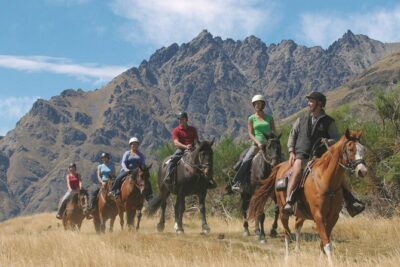
Half Day Walter Peak Horse Trek and Cruise from Queenstown
Read our review →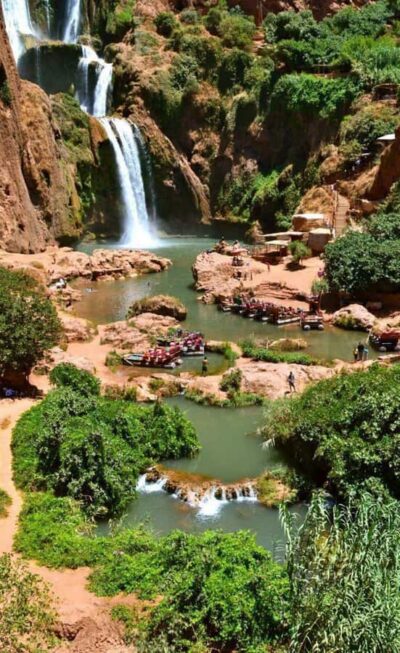
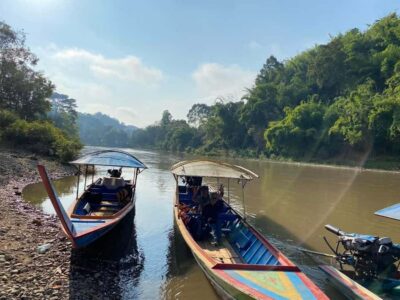

Lake Como: Easy Mountain Trek with Funicular & Boat Ride
Read our review →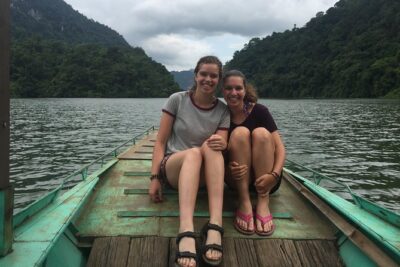
Ba Be National Park With Boat Trip, Kayaking, Swimming, Trekking And Cycling
Read our review →Browse the lists this tour appears in