
REVIEW · HANOI
Sapa 2-Day Trekking Tour – Explore Villages & Scenic Trails
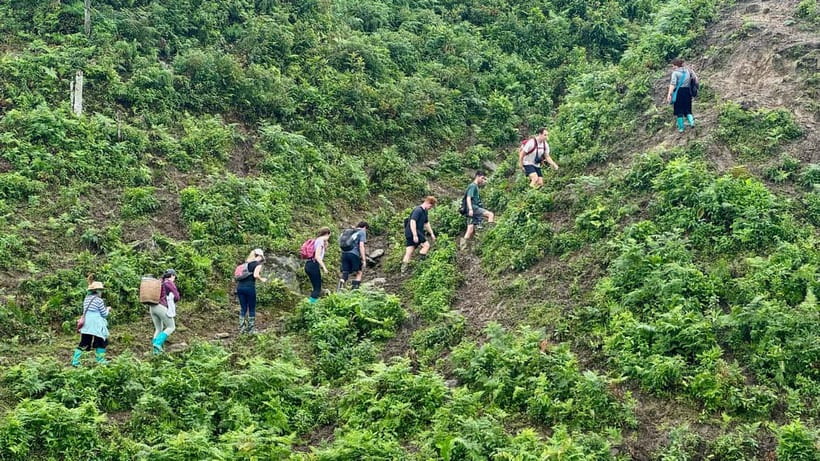
Sapa rewards slow travel. This two-day trek takes you from town into terraced valleys, bamboo forests, waterfalls, and ethnic villages, with a choice between the easier cultural route to Ta Van and the quieter mountain paths toward Hau Thao. I especially like the small-group format and the chance to sleep in a village homestay rather than return to town each night.
The local guides are another strong point. Guides such as Mao, Thao, Sung, Su, and Suav are praised for clear English, cultural insight, and patient pacing. The main consideration is physical effort: expect roughly 10 to 14 kilometers per day, with mud, uneven paths, steep sections, and slippery rice-field trails during the May to September rainy season.
Five things to know before you book
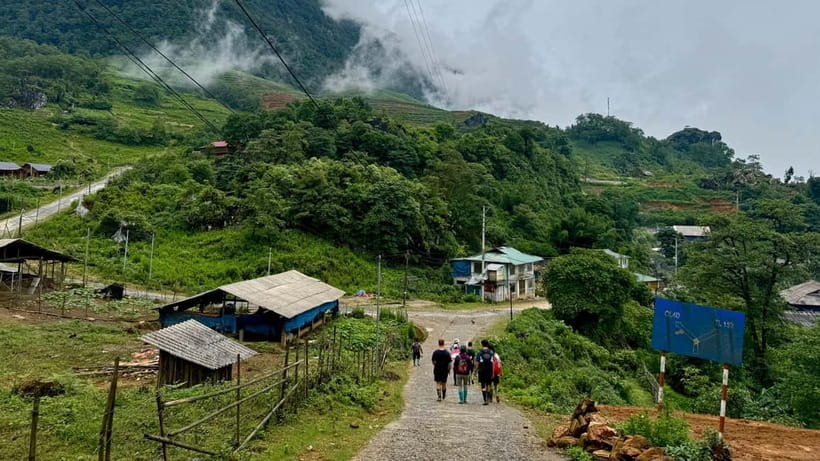
- Two routes, two moods: Ta Van offers a gentler walk through Muong Hoa Valley, while Hau Thao brings fewer people and more demanding mountain trails.
- The homestay is part of the experience: You spend one night with a local family, eat Vietnamese dishes, and get a closer look at village life.
- Expect real walking, not a sightseeing stroll: The route can be manageable for a fit person, but knees, rain, and steep ground can change the experience quickly.
- Guides make the difference: Mao, Thao, Sung, Su, and others are praised for adjusting the pace, explaining local customs, and helping on tricky ground.
- The price is attractive: At $58 per person, the trek offers strong value if meals, guiding, the homestay, and the return transfer are all confirmed.
- Check the transport details carefully: The supplied package information also mentions Hanoi to Cat Ba transport and Lan Ha Bay activities, which do not match this Sapa trek.
Choosing between Ta Van and Hau Thao
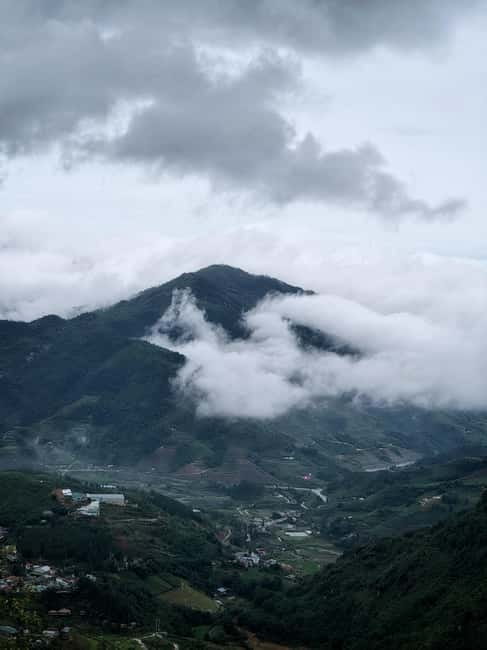
The first choice is simple. Pick Ta Van if you want a scenic introduction to Sapa with more cultural stops, shorter walking sections, and a well-used route through Muong Hoa Valley. Pick Hau Thao if you would rather trade some comfort for quieter trails and a stronger sense of remote mountain life.
Ta Van is the safer choice for most first-time visitors to Sapa. You still walk through dramatic rice terraces and ethnic villages, but the route is described as gentler, with relaxing stops and a shorter overall feel. You also visit Giang Ta Chai on the second day, where bamboo forest, a suspension bridge, a waterfall, and a Red Dao village add variety.
Hau Thao is the better fit if you dislike crowded paths and do not mind working harder. After following the route toward Y Linh Ho and Lao Chai, you continue farther into the mountains. The trail includes narrow sections and exposed views, and the route is longer and less forgiving under wet conditions.
The choice is not only about scenery. It is also about how you want to spend your time with local communities. Ta Van gives you a broader introduction to Black Hmong and Dzay life. Hau Thao focuses more closely on the Black Hmong community and a quieter family homestay.
More Two-Day Treks in Hanoi:
- Hanoi – Sapa 2 Days 1 Night Overnight At Homestay
★ 5.0 · 899 reviews - From Hanoi: 2-Day Sapa Trekking Trip with Homestay & Meals
★ 4.8 · 704 reviews - 2-Day Sa Pa Ethnic Homestay Tour & Trek with Limousine Bus
★ 4.8 · 440 reviews
Day one: From Sapa Town into Muong Hoa Valley
The trek begins at 9:00 in the morning from Sapa Town. You should arrive at Sapa TT Homestay 15 to 30 minutes early for check-in, luggage storage, and the pre-trek briefing. The meeting point is about one kilometer from central Sapa, so allow time for a short taxi or motorbike ride if needed.
Bring a small daypack. Large bags can be left at the office, which is a useful detail when you are spending the night in a village and do not want to haul your full luggage along muddy trails.
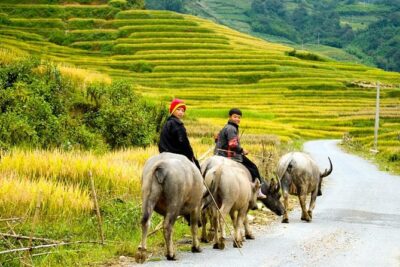
The first section heads toward Y Linh Ho and Lao Chai. This is where Sapa begins to feel less like a mountain resort and more like a working rural area. You walk past rice terraces, hillside paths, village homes, and people going about daily tasks. The views are the main reward, but the route also gives your guide room to explain local clothing, farming, crafts, and family life.
The rice terraces change with the season. In wetter months, the paths may be muddy and the fields can look especially green. In other periods, you may see different stages of cultivation. The supplied information does not promise a particular crop cycle, so do not book expecting one exact postcard view. Sapa weather changes quickly, and clouds can either soften the views or hide them.
Lunch is included and takes place along the route, with terrace views noted as part of the experience. You receive two lunches, one dinner, and one breakfast during the trek. Vegetarian and vegan meals are available, but you should give advance notice for allergies or special diets. One guide, Sung, is specifically praised for double-checking meals with host families for a food allergy, so clear communication before departure remains important.
If you choose Ta Van, the day finishes in the village with a Dzay family. The walk is generally described as about three and a half hours by one participant, though the official distance and conditions suggest you should prepare for a full active day. You may share stories by the fire, eat a traditional dinner, and settle into the homestay.
If you choose Hau Thao, the route continues beyond the more familiar valley paths toward a Black Hmong family. This gives you a quieter finish, but the added distance and mountain terrain make it the more demanding option.
The homestay: Simple comfort with a local setting
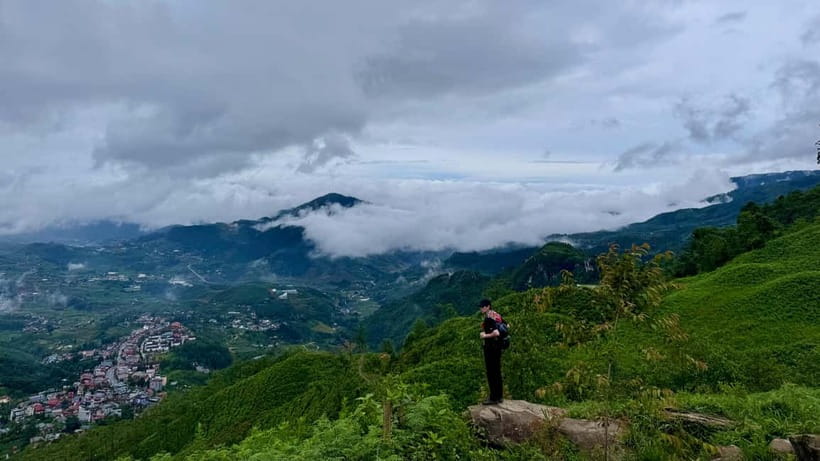
The overnight stay is a major reason to choose this tour instead of a day hike. You are not simply passing through a village, taking photos, and returning to Sapa. You spend the evening there, eat with your hosts, and wake up close to the trails.
The accommodation is described as a private room, although the exact setup can depend on the homestay. Some feedback describes the accommodation as cozy, clean, and comfortable, with food that became a highlight of the trip. Another account praises a single supplement and a higher level of comfort, so ask about room arrangements if privacy matters to you.
Do not expect a city hotel. The appeal is the setting and the welcome, not polished resort service. One account hoped for more direct conversation with the hosts, while others had warm contact and even visited a guide’s family home. Your experience may depend on the household, language barriers, and how much conversation you initiate.
Dinner consists of Vietnamese food made with local ingredients. Meat dishes feature heavily, but vegetarian options are available if requested. Drinks are not included with lunch or dinner, so carry some cash if you want to buy beverages.
Day two: Bamboo forest, Giang Ta Chai, and the return to Sapa
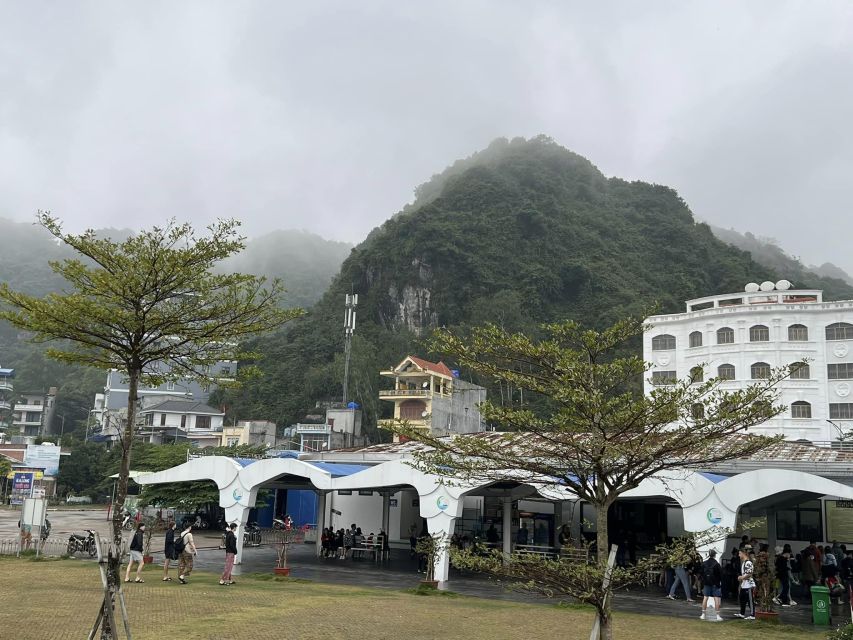
After breakfast, the Ta Van route crosses a suspension bridge and heads through bamboo forest toward Giang Ta Chai. This is a pleasing change from open rice terraces. The forest provides shade, the trail feels more enclosed, and the walk has a different rhythm.
Giang Ta Chai is associated with the Red Dao community and sits near a waterfall. The waterfall area offers a natural break, and one person even enjoyed a swim nearby. If you want to swim, bring a swimsuit and a small towel, but treat this as an opportunity rather than a guaranteed scheduled activity.
The Hau Thao route also connects with Giang Ta Chai before returning toward Sapa, with narrow mountain trails and cliffside views along the way. That description should be taken seriously. Proper hiking shoes are essential, and gumboots may be useful in wet weather.
Lunch comes before the return transfer. A car takes you back to Sapa after the walking is finished, so you are not expected to hike all the way into town. The activity ends at the original meeting point.
The second day is shorter for some groups. One account described two to two and a half hours of walking, though official distances and route variations indicate that timing can change. Your pace, weather, chosen village, and trail conditions all matter.
A few more treks around Hanoi worth a look
- Sapa 3 Days 2 Nights Trekking Tour (1 Night In Ta Van Village, 1 Night In Hotel)
★ 5.0 · 699 reviews - 3-Day Trekking Adventure of Sapa from Hanoi – Stay Ta Van Village
★ 5.0 · 611 reviews - Hanoi – Sapa 3 Day 2 Night Trekking With Hotel & Homestay
★ 5.0 · 389 reviews - From Hanoi: 2-Day Sapa Trek Tour – Luxury Limousine Transfer
★ 4.1 · 249 reviews
What the walking is really like
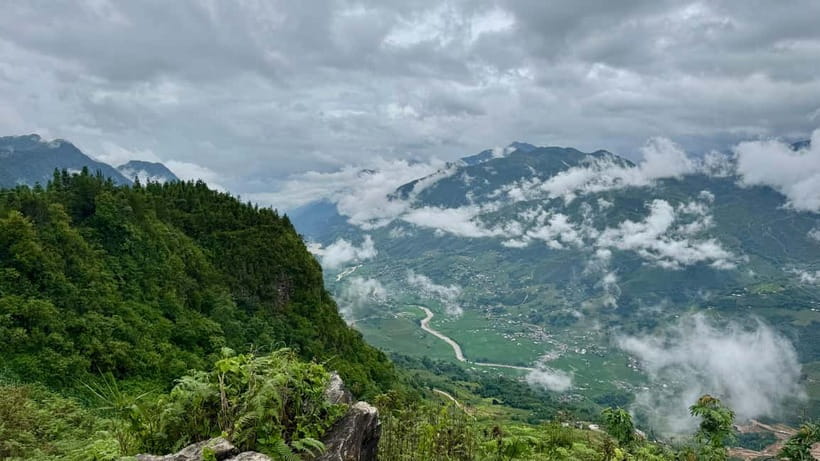
This is a moderate trek, not a casual village stroll. You need enough fitness for several hours of walking on uneven ground, and you should be comfortable with hills. One account found the route manageable but warned that knee problems could make it tough. Another described the trek as challenging but rewarding.
Rain is the big variable. From May through September, trails may become muddy, and even dry-season paths can be uneven. Wear shoes with good grip, bring a rain jacket, and keep your phone in a waterproof pouch. Long trousers help with brush, mud, and insects.
Local women may walk alongside you during parts of the first day. Some sell handmade goods, and the attention can feel persistent. It is reasonable to say no politely if you do not want to buy anything. If someone helps you over a difficult section, buying a small craft can be a respectful way to acknowledge that help, but it should not feel compulsory.
The guides are often the difference between a hard walk and a good one. Mao is praised for adjusting routes and helping everyone feel included. Thao is noted for finding quieter paths. Su is described as calm and attentive, while Ai is praised for helping people cross rice fields safely. These details matter because the trails are not uniform, and a guide who watches the group can make the day far more comfortable.
Culture without a staged village show
The cultural value here comes from moving through working villages rather than visiting a single display site. You see Black Hmong, Dzay, and Red Dao communities in the places where they live, farm, cook, and sell crafts.
A good guide adds context. You may learn about Hmong customs, local plants, farming, clothing, and village traditions. The best moments are likely to come in small exchanges: a family meal, a question answered on the trail, or an explanation of why a village sits where it does.
Still, keep your expectations respectful. This is not a guarantee of long personal conversations with every host family. You are entering someone’s home for one night, so listen carefully, ask before photographing people, and accept that the evening may be quiet.
Is $58 good value?
At $58 per person, this is a strong price for a two-day, one-night guided trek if the main Sapa inclusions apply. The package covers the guide, homestay, two lunches, one dinner, one breakfast, and the return car to Sapa. It also includes sightseeing tickets where required.
A small group adds value. One group had only five people, which allowed the guide to answer questions, change the pace, and stop when needed. You get more from a village trek when you can hear the guide and do not spend the day waiting for a large crowd.
The price does not include drinks with lunch and dinner. That is a minor extra, but carry some Vietnamese currency for drinks, small purchases, or handmade goods.
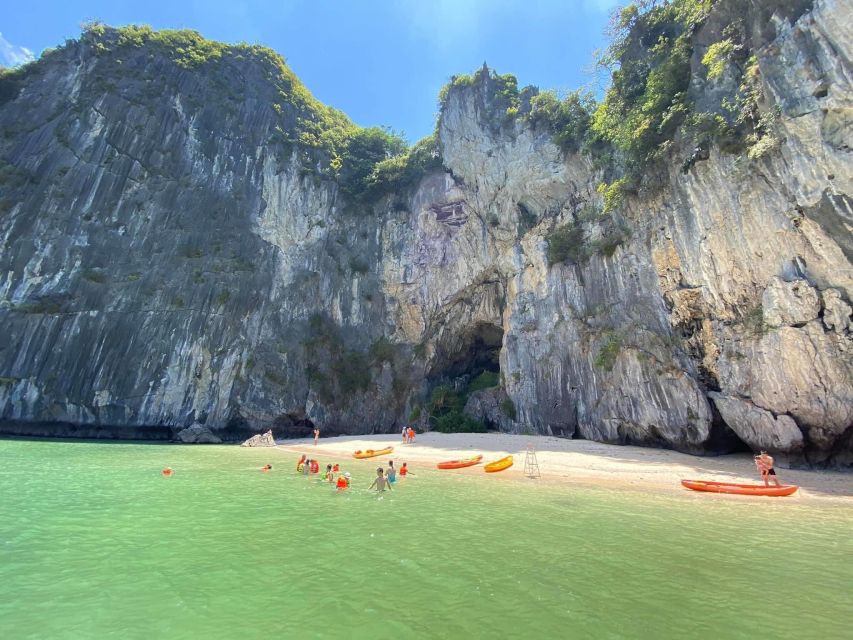
There is a major booking detail to clear up. The supplied inclusion list also describes Hanoi to Cat Ba bus transfers, private car rides to a harbor, a Cat Ba homestay, Lan Ha Bay and Ha Long Bay cruising, kayaking, and a cruise guide. Those services do not belong to the Sapa trekking program described here. Before paying, confirm that you are booking the Sapa Ta Van or Hau Thao package and ask the operator to clarify which inclusions apply.
Who should book this trek?

You should consider it if you want mountain scenery, village life, and a guided walk without planning every trail and meal yourself. It suits people with basic to moderate fitness who are happy to sleep simply for a night in exchange for a more rural experience.
Ta Van is better for first-time trekkers, culture-focused visitors, and anyone who wants a gentler route. Hau Thao suits confident walkers who value quiet paths and do not mind longer, more rugged sections.
This is not suitable for pregnant people, wheelchair users, people with mobility, heart, or serious back problems, or people with visual impairment. It is also not recommended if insect allergies are a concern. Pets are allowed only if leashed and registered in advance.
Practical packing advice for Sapa

Pack light and prepare for quick weather changes. You will want:
- Hiking shoes with good grip
- A rain jacket
- Long trousers and comfortable clothes
- A water bottle
- Sun protection, including sunglasses and a hat
- Insect repellent
- A change of clothes
- A swimsuit if you hope to use the waterfall
- A small daypack
Do not rely on fashionable trainers if rain is in the forecast. Mud is not a minor detail here. It can turn a pleasant terrace path into a careful, slippery walk.
Should you book the Ta Van or Hau Thao trek?
I would book this tour if your priority is a close look at Sapa village life, strong local guiding, and a reasonable two-day price. The best features are the small groups, flexible pacing, overnight homestay, and the choice between a gentler route and a quieter one.
Choose Ta Van for a balanced first taste of Sapa. Choose Hau Thao if you are fit, patient, and eager to leave the busiest paths behind. Before booking, confirm the exact route, room setup, transport, and inclusions because the supplied package details contain unrelated Cat Ba and Ha Long Bay information.
FAQ
How long is the Sapa trek each day?
The stated distance is about 10 to 14 kilometers per day. Actual walking time varies by route, weather, group pace, and trail conditions.
What is the difference between Ta Van and Hau Thao?
Ta Van is the gentler cultural route through Muong Hoa Valley, with Black Hmong and Dzay communities and a homestay in Ta Van. Hau Thao is quieter and more remote, with longer mountain trails and a Black Hmong homestay.
What time does the trek begin?
The trek starts at 9:00 AM from Sapa Town. You should arrive at Sapa TT Homestay 15 to 30 minutes early for check-in and the briefing.
Is food included?
Yes. The trek includes two lunches, one dinner, and one breakfast. Vegetarian and vegan food is available if you notify the operator in advance. Drinks with lunch and dinner are not included.
Can I leave large luggage behind?
Yes. Big bags can be stored at the tour office, and you should bring only a small daypack for the trek.
What should I wear?
Wear comfortable clothes, long pants, and proper hiking shoes. Bring water, a rain jacket, sun protection, insect repellent, and a change of clothes.
Is this trek suitable for people with mobility or health problems?
The trek is not suitable for wheelchair users, people with mobility impairments, serious back or heart problems, pregnant people, or people with visual impairment. It can also be difficult for people with knee problems.
Can I cancel the booking?
You can cancel up to 24 hours in advance for a full refund.
Recently added around Hanoi
- Trekking around Ha Giang 5 days 4 nights★ 3.0 · 2 reviews
- From Hanoi : Sapa Moutain Trek – Halong bay Heritage★ 4.5 · 25 reviews
- 2-Day SAPA Trekking – Villages-Homestay-Ethnic-Local Food-Market★ 5.0 · 2 reviews
- 8-Days Hanoi, Sapa Trekking And Halong Bay Cruise★ 5.0 · 8 reviews
- Hanoi: 3D2N Mu Cang Chai Visit All Attractions, Trek, Ethnic Life★ 5.0 · 3 reviews
- Mai Chau – Pu Luong trekking 3 days 2 nights★ 4.5 · 7 reviews
- Trekking In Ha Giang 5 Days★ 5.0 · 4 reviews
- Sapa trekking – Unique Route – 2D1N★ 5.0 · 3 reviews
Hanoi Trekking Tours, compared.

Sapa 3 Days 2 Nights Trekking Tour (1 Night In Ta Van Village, 1 Night In Hotel)
Read our review →
3-Day Trekking Adventure of Sapa from Hanoi – Stay Ta Van Village
Read our review →
2-Day Sa Pa Ethnic Homestay Tour & Trek with Limousine Bus
Read our review →
Sapa 3 Day 2 Night Trekking With Hotel & Homestay
Read our review →
2-Day Sapa Trek Tour – Luxury Limousine Transfer
Read our review →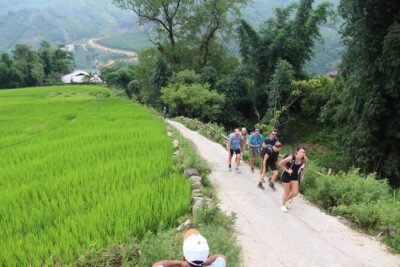
Sapa 2 Days 1 Night Overnight At Local Homestay
Read our review →Browse the lists this tour appears in