REVIEW · SANTIAGO ISLAND, CAPE VERDE, CAPE VERDE
Santiago: Calabaceira Valley Trek & Visit to Cidade Velha
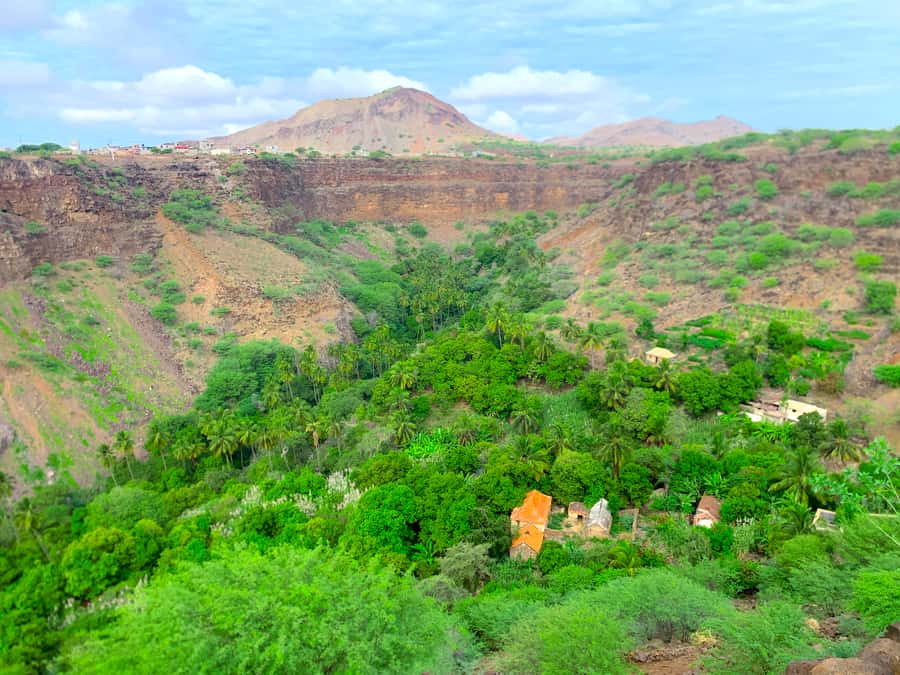
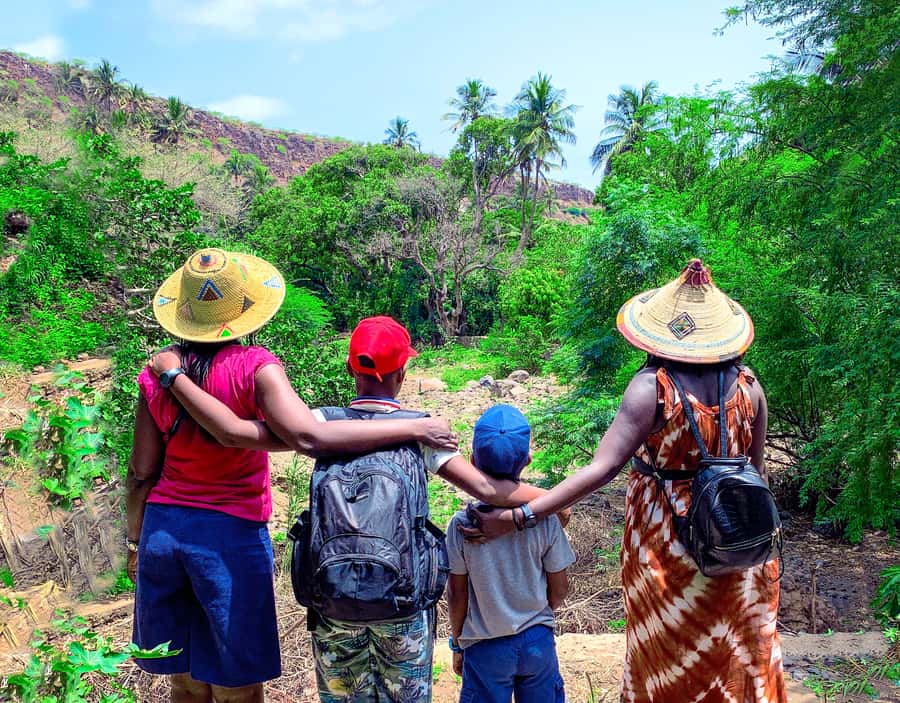
History starts in the hills. This Santiago excursion pairs a green valley walk with a visit to Cidade Velha, giving you two very different sides of Cape Verde in one outing. I like the contrast: first you follow a simple trail through sugar cane, banana trees, baobabs, and other tropical growth, then you move into the island’s most important historic town. I also like that hotel pickup, transport, a guide, and liability insurance are included. The main caution is the word easy: the route is not suitable for people with mobility impairments, and the opening section can be narrow and tilted, with a fairly steep descent.
The tour costs $82 per person and lasts about four hours, although the schedule can stretch when the walk, distillery stop, lunch, and historic sites are all taken into account. Lunch and the €5 entrance fee for São Filipe Fortress cost extra. Bring water, proper shoes, sun protection, and hiking trousers, especially from August through November.
Key points at a glance

- A downhill walk through Calabaceira Valley: The trail covers about 5 kilometers, descending roughly 186 meters from the upper valley toward the lower area.
- Baobabs linked with Charles Darwin: These old trees add a memorable natural detail to a route once used as an escape path by enslaved people.
- A working rum-making stop: You can see local sugar cane farming and learn about the production of Cape Verdean rum.
- Cidade Velha’s essential sights: São Francisco Convent, Banana Street, Nossa Senhora do Rosário church, the former slave market, and the ruined Sé Catedral are all included.
- A fortress view over the old town: São Filipe Fortress adds a short but worthwhile climb and a clear look at Cidade Velha’s defensive position.
- Flexible group choices: You can book a shared small-group trip or arrange a private outing, with English, French, Portuguese, and Spanish available.
From Praia to the upper Calabaceira Valley

Your day begins with pickup at your hotel in Praia. You should wait in the lobby about 10 minutes before the scheduled time. The driver is expected to hold a sign with your last name and will wait no more than five minutes, so this is not the moment for a slow breakfast.
The drive takes you toward the village of Calabaceira, where the walking portion begins at the top of the valley. The change from Praia’s built-up setting to a valley full of plant life is part of the appeal. Santiago can look dry in many places, so a pocket of dense growth feels like a surprise.
The route is one way rather than a loop. That matters because you are walking downhill, not climbing back to your starting point. The trail reaches a maximum elevation of about 200 meters and drops to roughly 14 meters, with only around three meters of elevation gain. Those figures explain why the walk can be classed as easy for a reasonably steady hiker, but they do not mean the ground is flat or effortless.
A few more treks around the world worth a look
- Mount Etna: Trek to 3000m with cable car and 4×4
★ 4.6 · 3,823 reviews - Bali: Mount Batur Sunrise Trek With Guide and Breakfast
★ 4.8 · 3,461 reviews - From Chania: Full-Day Samaria Gorge Trek Excursion & Guide
★ 4.6 · 3,191 reviews
What the five-kilometer walk is really like
The stated trail distance is about 5 kilometers. Walking time is listed as roughly two hours, while the excursion also describes the trek as taking three hours. The difference likely reflects stops for explanations, nature, farming, and the distillery, but you should confirm the exact timing if your day in Praia is tightly planned.
The early part of the path is narrow and has a medium tilt. It is described as safe, but you should still watch your footing. The combination of a downhill route, uneven ground, and occasional boulders can feel more demanding than the simple difficulty label suggests. I would not recommend this for anyone who has trouble with balance, knees, steep descents, or narrow paths.
Wear shoes with a firm sole. Hiking pants are especially useful between August and November, when vegetation can brush against your legs. A hat, sunscreen, and plenty of water are sensible because shade may vary along the trail. Good footwear is more important here than fashionable footwear. The valley is not the place for smooth-soled sandals.
Baobabs, farms, and the valley’s difficult past
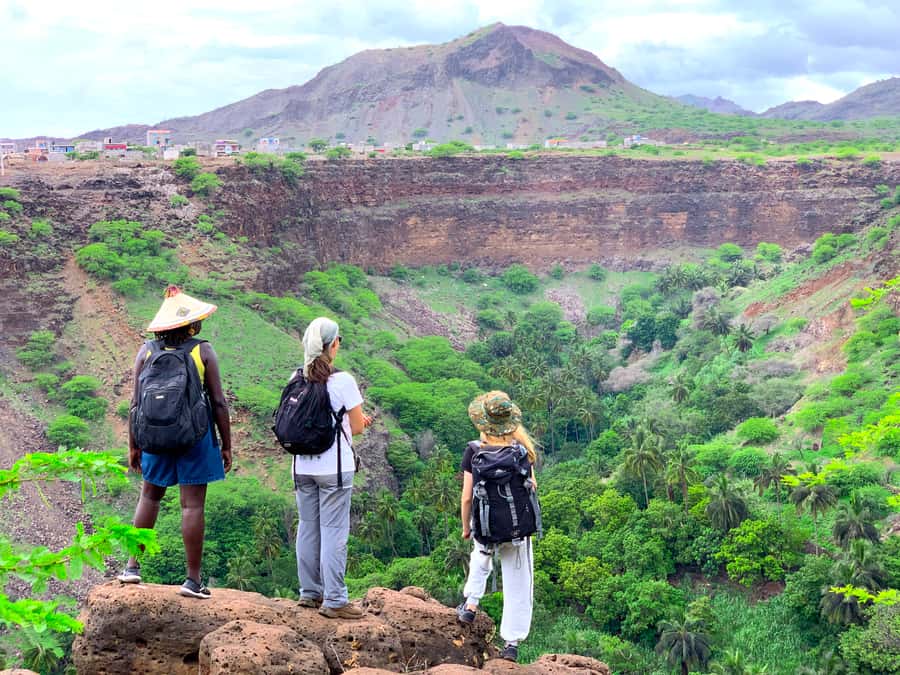
The plants are not just decoration. You pass agricultural fields with sugar cane, mango trees, cassava, bananas, and other crops. The route gives you a look at how local farming fits into the valley, rather than showing you nature as a separate attraction behind a fence.
The baobab trees are a special point of interest. They are linked in the tour’s history to Charles Darwin, which gives your guide a useful opening for explaining the plants and the wider setting. You may also see local birds and other animals. One particularly good account described kingfishers, monkeys, and striking trees, though wildlife sightings can never be guaranteed.
The valley also carries a painful human history. It was used as an escape route by enslaved people during the period of slavery. That detail changes the way you read the path. A quiet trail through trees can also be a route shaped by fear, resistance, and survival. A good guide can connect the scenery to that past without turning the walk into a string of disconnected facts.
A local rum stop among the sugar cane
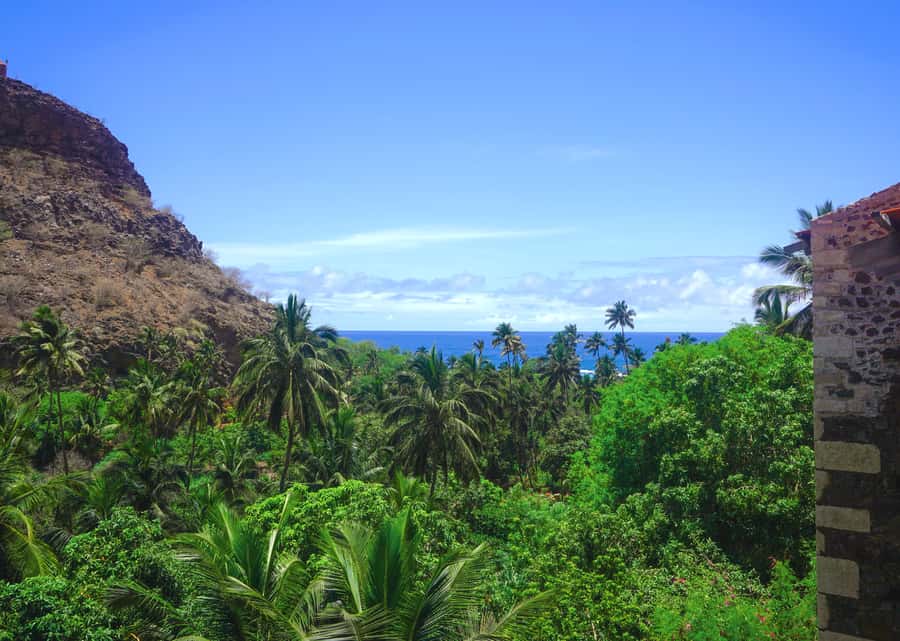
The distillery visit adds a practical, local touch. At the heart of the valley, you can see how sugar cane connects farming with rum production and meet people involved in the work. The value here is not simply tasting or looking at a bottle. You get a better sense of the labor and crops behind a familiar Cape Verdean product.
This stop also breaks up the walk. After a downhill trail, time among the farm fields and distillery gives you a chance to pause before continuing toward Cidade Velha. The experience is likely to feel informal rather than polished, which suits the rest of the excursion. You are seeing a working place tied to local agriculture, not a staged museum display.
If rum is not your interest, the farming context still makes the stop worthwhile. You can pay attention to the sugar cane, the production process, and the relationship between the valley and the nearby communities.
Same trailhead, a longer or shorter day out:
- Mount Etna: Summit Crater Trek with Cable Car
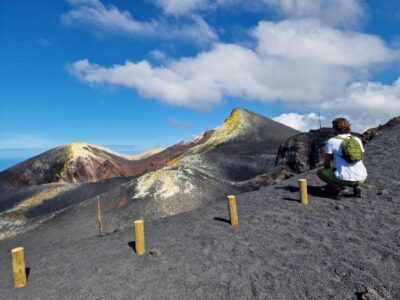
★ 4.8 · 1,875 reviews - La Palma: Tajogaite Volcano Guided Trek
★ 4.8 · 1,810 reviews - Etna: summit craters trekking with volcano guide 3350mt
★ 4.7 · 1,712 reviews - From Rethymno: Samaria Gorge Full-Day Trek, Pickup & Guide
★ 4.5 · 1,610 reviews
Arriving in Cidade Velha, Cape Verde’s historic heart
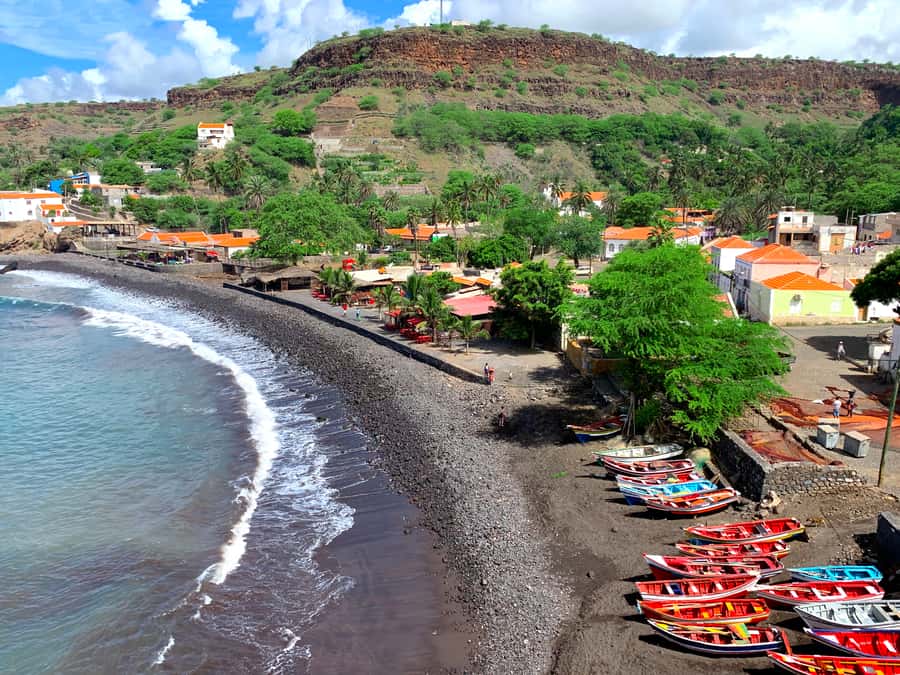
After the valley, the tour shifts from nature to history. Cidade Velha is a UNESCO World Heritage Site and the first city built by Europeans in sub-Saharan Africa. Its importance comes from its position in the Atlantic world and its role in the development of the slave trade.
The town is compact enough to explore on foot, but the sites are easier to understand with a guide. You will visit São Francisco Convent, walk along Banana Street, and see Nossa Senhora do Rosário church. Each stop helps show how religion, trade, settlement, and slavery shaped the town.
Nossa Senhora do Rosário church is especially important because it is presented as one of the key historic buildings in the old settlement. São Francisco Convent adds another religious and architectural point to the route. Banana Street gives you a more atmospheric walk through the old town, connecting individual monuments with the feel of the place.
Do not expect a perfectly preserved colonial town at every turn. Ruins and surviving structures appear together. That mix is part of what makes Cidade Velha worth visiting. You are not simply admiring beautiful buildings. You are looking at the remains of a place that helped link Europe, Africa, and the Atlantic.
Lunch by the sea, with costs to plan for
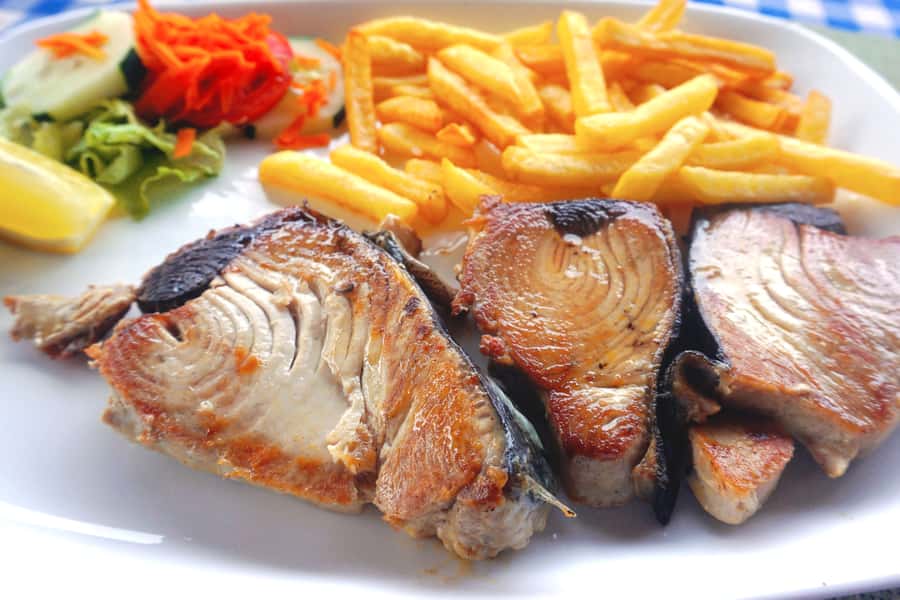
The schedule includes a lunch break at a typical restaurant by the seafront. Lunch is not included in the $82 price, so keep money available for the meal. The chance to eat local food in a simple seaside setting is a welcome pause between walking sections and historic sites.
Because the overall time can be affected by the hike, sightseeing, and lunch, I would avoid booking a tight afternoon commitment in Praia. One past participant reported a day lasting nearly eight hours instead of four, alongside a complaint that the route was steeper than expected. That may have been an unusual situation, but it is still useful warning: clarify the expected schedule before you go, especially if you need to catch a flight or ship.
The former slave market and the ruined cathedral
The afternoon visits some of Cidade Velha’s most serious and important sites. The former slave market is not a light sightseeing stop. It points directly to the human suffering connected with the town’s growth and its place in Atlantic trade. You will get more from this part if you allow the guide’s explanation to provide context rather than treating it as just another photo stop.
The ruins of the Sé Catedral show how much of Cidade Velha has been lost over time. Ruins can be harder to read than intact buildings, so a guide matters here. Ask questions about what remains, what has disappeared, and how the cathedral fitted into the old town.
This is where the excursion earns its price beyond simple transport. Without explanation, you might see a church, a market site, and broken walls. With context, you can understand why Cidade Velha matters to Cape Verde and to the wider story of the Atlantic.
São Filipe Fortress and the final view
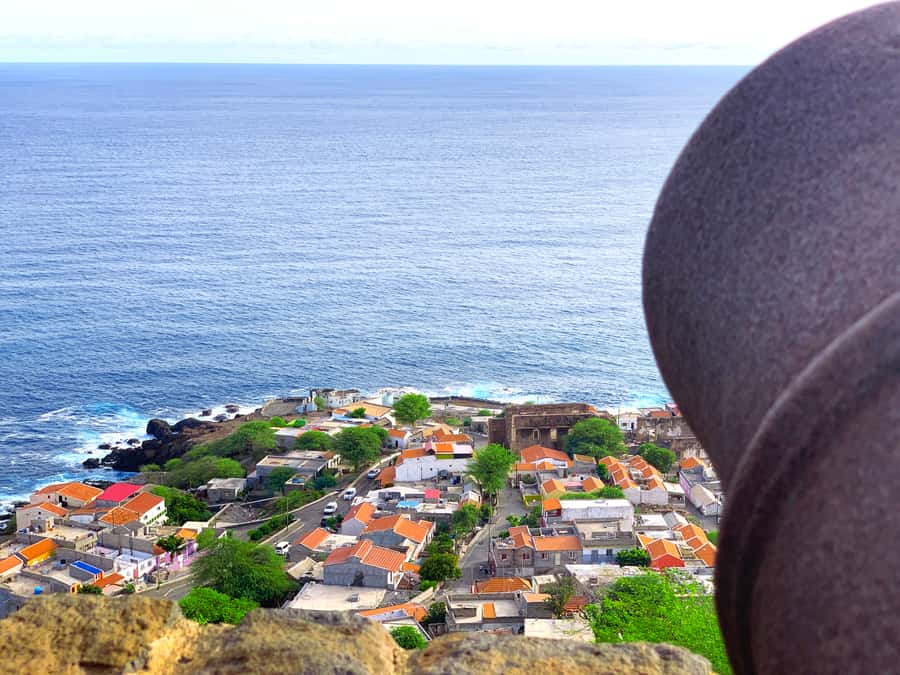
The last major stop is São Filipe Fortress, built as part of the town’s defense against pirates. It sits above Cidade Velha, giving you a broad view of the old settlement and surrounding area. The viewpoint is a fitting finish because it lets you see how the town’s position shaped both its trade and its vulnerability.
The fortress entrance costs €5 and is not included. Bring the fee in cash or confirm the accepted payment method before setting out. The climb and uneven surfaces may be uncomfortable for anyone with mobility limitations, even though the tour’s main trail has limited elevation gain.
From the top, your guide can explain the defensive system and why the fortress was placed above the town. This is a useful final piece of the story: the same location that helped Cidade Velha grow also made it a target.
Guides, languages, and group size
The guide can lead in English, French, Portuguese, or Spanish. That is helpful on a tour with both natural and historical material, since you will want clear explanations rather than a rushed translation.
The guide team has drawn strong praise for friendliness and preparation. Names such as Mario, Ivana, Katia, Soraya, and Riccardo have been associated with warm, informative guiding. The most consistent strength is the personal feel of the explanations, particularly when guides connect the valley, farming, slavery, and Cidade Velha into one story.
You can choose a shared group or private tour. The shared option requires at least two participants. If that minimum is not met, the operator may suggest another date, charge an additional fee for a private departure, or cancel with a full refund. A private outing should suit you better if you want to set the pace, ask many questions, or take extra care on the downhill path.
Is $82 a fair price?
At $82 per person, the tour is reasonably priced if you want both Calabaceira Valley and Cidade Velha without arranging separate transport. Hotel pickup and drop-off from Praia, transportation, a guide, and liability insurance are included. You pay extra for lunch and the €5 fortress admission.
The value is strongest for visitors who have limited time on Santiago and want a broad introduction to the island. In one outing, you get agriculture, wildlife, rum production, slavery history, religious sites, ruins, and a fortress viewpoint.
The value is weaker if you mainly want a gentle nature stroll or a long, unhurried visit to Cidade Velha. The route is active, and the schedule may feel full. You are paying for variety and logistics, not for a slow day in one place.
The overall score of 4.8 from 49 ratings reflects strong satisfaction, especially with the guides, scenery, and combination of nature and culture. Still, the lower rating about the steep path and longer-than-expected day should not be brushed aside. Ask about current timing and trail conditions before booking.
Who should book this Santiago excursion?
I would recommend it to active visitors who want a compact introduction to Santiago. It suits you if you enjoy walking, do not mind uneven ground, and want historic sites explained rather than simply photographed.
It is also a good choice if you are staying in Praia and do not want to negotiate transport to the valley and Cidade Velha yourself. The pickup service removes much of the planning work.
I would choose a private tour if you are traveling with family members at different walking speeds, if you want a slower schedule, or if you are especially interested in history. I would skip it if you have mobility limitations, dislike downhill walks, or need the day to finish at a precise hour.
Should you book it?
Book this tour if you want Santiago in miniature: green valley, working farms, local rum, Atlantic history, and a fortress view in one day. The guides and the mix of places are its strongest points.
Before paying, confirm the expected total duration, ask how the current trail is being described, and plan for lunch plus the €5 fortress fee. With sturdy shoes and realistic expectations about the descent, this is a rewarding way to connect the island’s natural life with its difficult and important past.
FAQ
How long does the Calabaceira Valley and Cidade Velha tour last?
The stated duration is four hours. The walking portion is described as about two hours, while the trek itself may take about three hours when stops and explanations are included. Allow extra time because the schedule can vary.
How far is the hiking route?
The trail distance is approximately 5 kilometers. It is a one-way route that descends through the valley.
Is the hike difficult?
The route is described as easy, with about three meters of elevation gain and roughly 186 meters of elevation loss. However, the beginning is narrow and has a medium tilt, so it may feel steep or uneven to some people.
Is lunch included?
No. Lunch is not included in the tour price. The schedule includes a break at a typical seafront restaurant in Cidade Velha.
How much is the fortress entrance fee?
The entrance fee for São Filipe Fortress is €5. This fee is not included.
What languages are available?
The live guide may provide the tour in English, French, Portuguese, or Spanish.
Is hotel pickup included?
Yes. Pickup and drop-off at your hotel in Praia, along with transportation, a tour guide, and liability insurance, are included. You should wait in the hotel lobby 10 minutes before pickup, and the driver will wait no longer than five minutes after the scheduled time.
Recently added around the world
- Mt Kilimanjaro Trek, 6 Days – Umbwe Route★ 5.0 · 4 reviews
- 7 Day Trek To The Roof Of Africa Kilimanjaro via Machame Route★ 5.0 · 5 reviews
- Full Day Private Trekking Mu Cang Chai★ 5.0 · 33 reviews
- Mount Kilimanjaro Trek 7-Days: Lemosho Route★ 5.0 · 2 reviews
- 8 Day Kilimanjaro Trek via Lemosho Route★ 5.0 · 17 reviews
- 6-Day Kilimanjaro Machame Route – A Stunning Trek to Uhuru Peak★ 5.0 · 7 reviews
- 7-Days Tour Mount Kilimanjaro Trekking via Machame Route★ 5.0 · 2 reviews
- 6-Day Rongai Route Trek in Mount Kilimanjaro★ 5.0 · 8 reviews
Trekking Tours, compared.
Mount Batur Sunrise Trek With Guide and Breakfast
Read our review →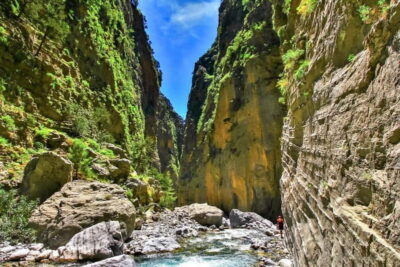
Full-Day Samaria Gorge Trek Excursion & Guide
Read our review →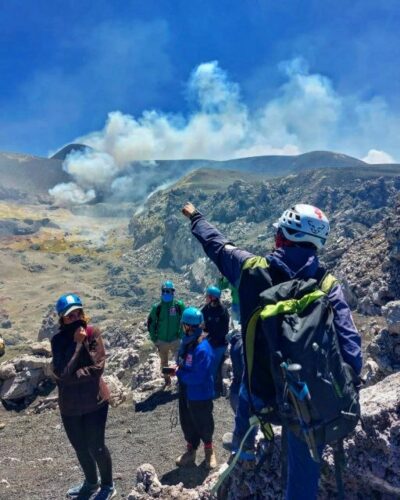
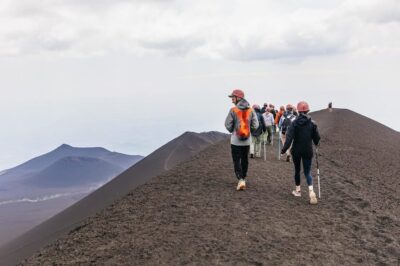
summit craters trekking with volcano guide 3350mt
Read our review →