
REVIEW · HANOI
3-Days Sapa Trekking With Local Guide Overnight in Tavan Village
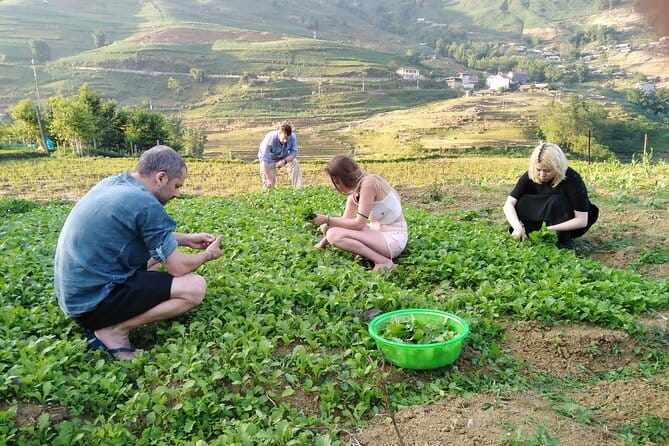
Mountain paths, village meals, and long days on foot. This three-day Sapa trip gives you a close look at northern Vietnam through rice terraces, bamboo forest, ethnic villages, and a basic homestay in Ta Van. I like the small group limit of 15 people and the chance to trek with local guides such as Ai and Chao, who received warm praise for their care, useful information, and ability to adjust the route.
I also like the value. At $82 per person, the price covers the Hanoi to Sapa bus, transport in Sapa, a guide, meals, water, and two nights of basic accommodation. The main caution is the walking: one section covers about 6 kilometers and lasts more than two hours, while the overall trek can feel long for a beginner.
Key points to know before booking
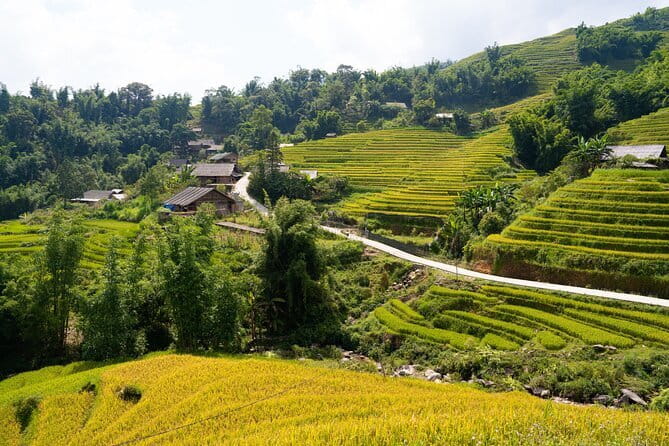
- Two long trekking days: You walk through Y Linh Ho, Lao Chai, Ta Van, Giang Ta Chai, and nearby villages rather than simply stopping for photographs.
- Local guides matter: Guides including Ai and Chao have been praised for patient help, good explanations, and practical support on the trail.
- Basic bungalow accommodation: Expect a simple village stay, not a polished hotel resort. The setting and homemade meals are part of the appeal.
- Hanoi to Sapa by bus: Pickup begins around 6:00 in Hanoi Old Quarter, with a return arrival around 21:30 on the final day.
- Good value for an active trip: The fee includes transport, two breakfasts, three lunches, two dinners, water, and guiding.
- Plan for changing mountain conditions: The route includes rice paddies, streams, bamboo forest, and village paths, so moderate fitness and sensible shoes are important.
Why this Sapa trip works for active visitors
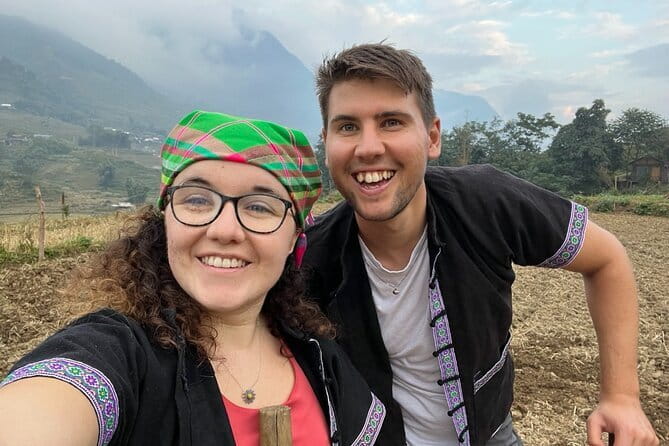
Sapa is at its best away from the center of town. The famous photographs show layered rice terraces below Hoang Lien Son Mountain, but the better experience comes from walking between villages and seeing how the scenery changes by foot. This tour gives you that chance without making you arrange several buses, meals, guides, and overnight stays yourself.
The route passes through communities associated with the Black Hmong, Dzao, and Tay ethnic groups. That does not turn the trip into a formal cultural lecture. Instead, your guide leads you along village paths, past fields, streams, and homes, with time to look around and ask questions.
I like the balance of organized transport and open walking time. The bus removes the need to work out the long journey from Hanoi, while the afternoons in Ta Van give you room to slow down. You are not rushed from one attraction to another every minute.
Still, this is not a soft sightseeing tour. The word trekking is doing real work here. The route can be tiring, especially in wet weather or if you are not used to uneven paths. The guide may know shortcuts when needed, but you should still expect several hours on foot.
More Guided Treks in Hanoi:
- Hanoi: 2-Day Sa Pa Guided Village & Homestay Trekking Tour
★ 4.1 · 13 reviews - Sapa Trekking 2 Days 1 Night From Hanoi With Local Guide
★ 5.0 · 8 reviews - Hanoi- 2 Days Sapa moutain trekking with Local Guide and Homestay
★ 5.0 · 5 reviews
The early Hanoi departure and long ride north
Pickup begins at about 6:00 from the tour meeting point at 30 Ly Thai To in Hanoi’s Old Quarter. You are transferred to a modern air-conditioned bus with comfortable seats, then head north toward Sapa.
The route includes a first rest stop around 9:30 on the highway toward Lao Cai and a second stop around 11:00 in Lao Cai City. You arrive in Sapa at about 13:00. The bus journey takes up much of the first day, so keep water and a small snack close by, even though two bottles of water per person are included for the round trip.
One practical detail deserves attention. At Sapa bus station, the plan allows about 30 minutes while you wait for the local guide and driver to collect you and take you to the hotel or starting point. Do not expect to step off the bus and begin hiking instantly.
This arrival period can feel a little untidy after a long ride. On the other hand, the local transfer is useful because the walking route begins outside the main town area. The included Sapa transport saves you from arranging another vehicle with luggage in hand.
Day one: Y Linh Ho, Lao Chai, and the Muong Hoa Stream
After the midday arrival and local transfer, the trek begins around 14:30. The route goes through Y Linh Ho, across rice terraces, and along the Muong Hoa Stream toward Lao Chai, a Black Hmong village.
This is the first major reward of the trip. You leave behind the feel of a bus journey and begin seeing Sapa at walking speed. Rice fields open across the slopes, the stream gives the route a natural line, and Hoang Lien Son Mountain provides the larger setting.
The exact feel of the path depends on the season. The tour description promises spectacular mountain scenery, but the surface can be uneven. A moderate level of physical fitness is required, and comfortable shoes with good grip are a wise choice.
The first afternoon also sets the pace for the rest of the trip. You are not merely being taken to a viewpoint. You walk between village areas and agricultural land, which means the route may feel more authentic than a short bus stop at a famous photo location.
Your guide is important here. Ai was praised for helping the trek run smoothly and sharing useful information, while Chao was singled out for making the experience memorable. The supplied details do not guarantee which guide you will receive, but they show why a good local guide can make a long walk easier and more meaningful.
The first night is connected with Ta Van and a basic village stay. There is some uncertainty in the accommodation wording: the main description refers to two nights at a basic homestay and one night in a hotel, while the included services list two nights in a bungalow and the daily plan identifies an overnight bungalow stay. Confirm the exact room arrangement before paying if the difference matters to you.
Ta Van at night: simple lodging and shared meals

Ta Van is the practical base for the walking portion of the trip. The accommodation is described as a bungalow or basic homestay, so you should choose this tour for its village setting rather than for hotel comforts.
That simplicity is part of the point. The included dinners and breakfasts are prepared through the homestay arrangement, and one positive account specifically praised the homemade, fresh food and the care shown by the hosts. Meals give you a more direct connection to the place than eating every night in central Sapa.
Do not assume that every drink is covered. Beverages, personal expenses, insurance, VAT, and anything not clearly listed are excluded. The tour includes two bottles of water for the Hanoi to Sapa and return bus journey, but you should budget for other drinks.
The plan also offers a cooking class at 7:00 on the second morning. You may learn to prepare Vietnamese dishes such as phở and fresh spring rolls before breakfast at the homestay. This is a useful touch because it turns breakfast into an activity rather than a quick meal before another walk.
A few more treks around Hanoi worth a look
- From Hanoi: 2-Day Sapa Trekking Trip with Homestay & Meals
★ 4.8 · 704 reviews - Sapa 3 Days 2 Nights Trekking Tour (1 Night In Ta Van Village, 1 Night In Hotel)
★ 5.0 · 699 reviews - 3-Day Trekking Adventure of Sapa from Hanoi – Stay Ta Van Village
★ 5.0 · 611 reviews - 2-Day Sa Pa Ethnic Homestay Tour & Trek with Limousine Bus
★ 4.8 · 440 reviews
Day two: Giang Ta Chai and the bamboo forest

After the cooking activity and breakfast, the second day’s trek starts around 8:00. You continue through rice paddies and stop for views over the surrounding countryside before entering a bamboo forest.
Giang Ta Chai is the day’s main destination. The route includes a photo stop, rice fields, a walk through bamboo, and a broad view of Giang Ta Chai village. This section offers a different rhythm from the first afternoon. The rice terraces remain central, but the forest changes the setting and gives you shade and a sense of movement.
The walking is listed at about four hours, so this is not a quick morning outing. You will want breakfast, water, and footwear that can handle a mix of paths. If your pace is slower, tell the guide early rather than waiting until you are exhausted.
In the afternoon, you return to Ta Van and have free time to explore on your own. That break is valuable. Three days of fixed movement can become tiring, and an unscheduled period lets you rest, look around the village, or simply enjoy the bungalow without another appointment.
You should not expect a packed schedule during this part of the trip. The freedom is a benefit for people who want a calmer village evening, but it may feel like unused time if you prefer constant sightseeing.
Day three: the final 6-kilometer walk
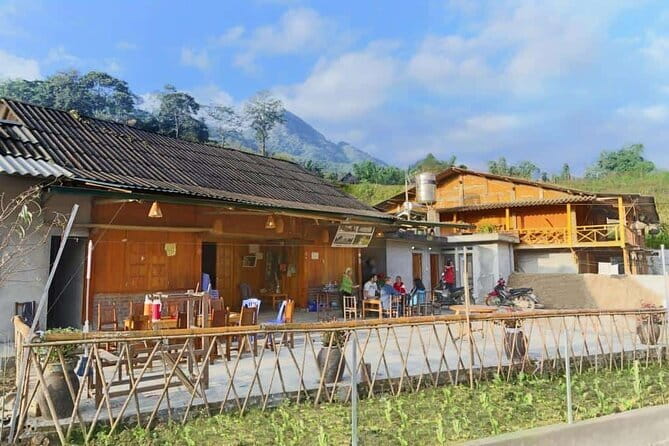
Breakfast at the homestay is scheduled for 7:30. Around 8:30 to 8:45, you begin the final trek, listed at about 6 kilometers and more than two hours.
The path goes through Ta Van Mong village and continues toward Hang Cung Village, with views across terraced rice fields. The area is also associated with the Black Hmong community. This last walk gives you one more chance to experience the countryside without the pressure of a major city attraction.
The 6-kilometer figure is helpful when judging the physical demands. It is not extreme for a regular walker, but it can feel substantial after the previous two days. One person described the trek as too long for a beginner, while also noting that the guides could use shortcuts when necessary.
That is the right way to think about the tour. You need enough fitness to walk for several hours, but you are not locked into proving anything. Ask the guide for help if your pace is falling behind. A flexible guide can make the difference between a rewarding day and a miserable one.
After the walk, the schedule allows time before the bus leaves at 15:00. The return to Hanoi is expected around 21:30, and you make your own way back to your hotel from the Ly Thai To drop-off point. This is a long final day, so avoid booking an early flight or important appointment that night.
What the $82 price really includes
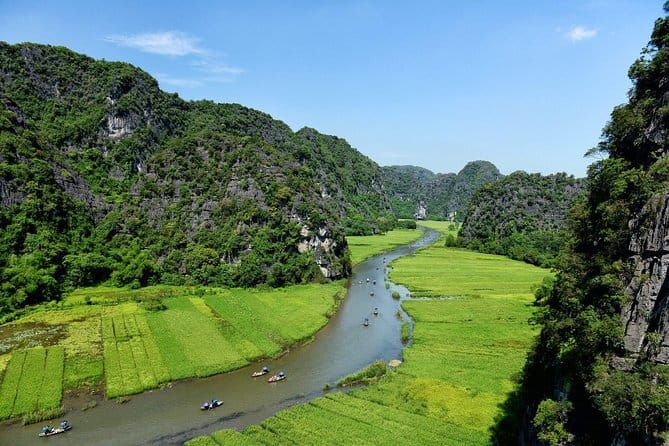
At $82, this is a strong package for someone who wants transport and guiding arranged in advance. The price includes the Hanoi to Sapa return bus, local Sapa transport, an English-speaking guide, two nights of bungalow accommodation, two breakfasts, three lunches, two dinners, and two bottles of water per person for the bus journey.
The included meals matter because food costs can add up on a three-day outing. You are not paying only for the headline trek. You are also buying convenience, a local route, overnight village accommodation, and a guide who can adjust the walk if needed.
The value is less clear if you already have a place to stay in Sapa or prefer private transport. The bus schedule is fixed, and the first and last days are dominated by long transfers. You are paying for an organized package, not a flexible private itinerary.
The group maximum is 15 people. That is small enough to keep the walking experience manageable, though the actual group size may vary. Group discounts are available, which may make the tour more attractive for families or friends booking together.
Public holidays can bring an extra surcharge, including Lunar New Year. Beverages, insurance, VAT, and personal costs are not included.
Who should book this trek?

I would recommend it to you if you want mountain scenery, village paths, and a real walking component without planning every transfer yourself. It suits people who are comfortable with basic accommodation and who see homemade meals and local guiding as more important than polished facilities.
It is also a good choice if you are visiting Vietnam on a short schedule. The tour folds Hanoi transport, Sapa transport, guiding, meals, and accommodation into three days. You can see several well-known villages without spending time comparing local buses or finding a guide after arrival.
You may want another option if you dislike long bus rides, need a private room with hotel-level comfort, or have limited mobility. The tour requires moderate physical fitness, and the walking can be demanding for beginners.
Service animals are allowed, according to the tour information. No wider accessibility details are provided, so you should ask the operator directly about trail surfaces, lodging access, and vehicle arrangements if those points affect your decision.
Booking details and cancellation advice
Confirmation is provided when you book. The listed start and end point is 30 Ly Thai To in Hanoi’s Hoan Kiem District, with pickup offered from hotels in the Old Quarter at about 6:00.
Free cancellation is available if you cancel at least 24 hours before the scheduled start time. Within 24 hours, the payment is not refunded, and late changes are not accepted. The cut-off follows local time.
The tour is booked, on average, 26 days ahead. That does not prove every departure sells out, but it is a useful reason to arrange it before your Hanoi stay is fixed, especially around public holidays.
Should you book the Ta Van trek?
Book this tour if you want a value-focused Sapa adventure with serious walking, local guides, village meals, and simple overnight lodging. The praise for guides such as Ai and Chao, the striking rice terrace route, and the flexible help available on difficult sections are its strongest points.
Skip it if you want a short, gentle introduction to Sapa or a comfortable hotel break. The bus rides are long, the accommodation is basic, and the walks can test a beginner.
Before confirming, ask one practical question: exactly where will you sleep on each night, a hotel, bungalow, or homestay? Once that detail is clear, this looks like a sensible and affordable way to reach Sapa’s villages on foot.
FAQ
How long is the Sapa tour?
The experience lasts three days. It begins with an early morning departure from Hanoi and ends with an expected arrival back in Hanoi at about 21:30 on the third day.
Where does the tour start and finish?
The listed meeting point is 30 Ly Thai To, Ly Thai To, Hoan Kiem, Hanoi. Pickup is offered from hotels in Hanoi’s Old Quarter, and the stated drop-off is also at 30 Ly Thai To.
What accommodation is included?
The included services list two nights in a bungalow. The main description also refers to a basic homestay and one hotel night, so you should confirm the exact accommodation arrangement with Best Vietnam Tours before booking.
Are meals included?
Yes. The package includes two breakfasts, three lunches, and two dinners. Drinks other than the two included bottles of water for the bus journey are not included.
How difficult is the trekking?
A moderate level of physical fitness is recommended. The route includes several hours of walking, including a final section of about 6 kilometers lasting more than two hours. Guides may use shortcuts if needed.
Can I cancel for a full refund?
Yes, if you cancel at least 24 hours before the experience begins. Cancellations or changes made within 24 hours are not eligible for a refund.
Recently added around Hanoi
- From Hanoi : Sapa Moutain Trek – Halong bay Heritage★ 4.5 · 25 reviews
- Trekking around Ha Giang 5 days 4 nights★ 3.0 · 2 reviews
- 2-Day SAPA Trekking – Villages-Homestay-Ethnic-Local Food-Market★ 5.0 · 2 reviews
- 8-Days Hanoi, Sapa Trekking And Halong Bay Cruise★ 5.0 · 8 reviews
- Hanoi: 3D2N Mu Cang Chai Visit All Attractions, Trek, Ethnic Life★ 5.0 · 3 reviews
- Mai Chau – Pu Luong trekking 3 days 2 nights★ 4.5 · 7 reviews
- Trekking In Ha Giang 5 Days★ 5.0 · 4 reviews
- Sapa trekking – Unique Route – 2D1N★ 5.0 · 3 reviews
Hanoi Trekking Tours, compared.

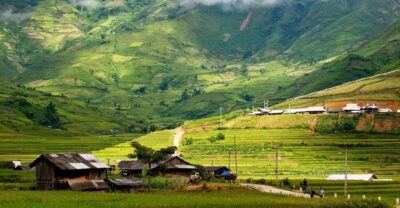
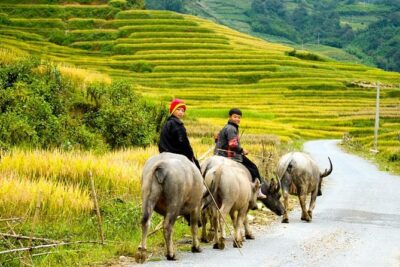
Sapa 3 Days 2 Nights Trekking Tour (1 Night In Ta Van Village, 1 Night In Hotel)
Read our review →
3-Day Trekking Adventure of Sapa from Hanoi – Stay Ta Van Village
Read our review →
2-Day Sa Pa Ethnic Homestay Tour & Trek with Limousine Bus
Read our review →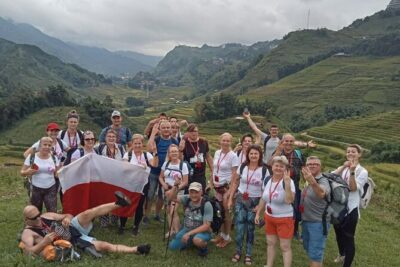
Sapa 3 Day 2 Night Trekking With Hotel & Homestay
Read our review →
2-Day Sapa Trek Tour – Luxury Limousine Transfer
Read our review →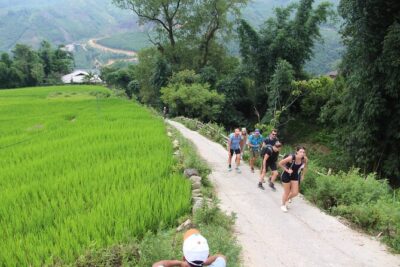
Sapa 2 Days 1 Night Overnight At Local Homestay
Read our review →Browse the lists this tour appears in