
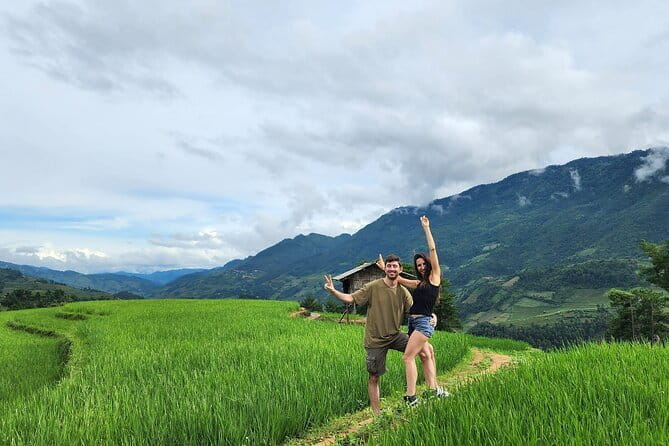
REVIEW · HANOI
Hanoi: 3-Day Sapa Trek Secret Trails, Waterfall, Stay in Villages
Sapa rewards walkers who leave town. This three-day trip pairs remote village trails with time in Cat Cat, Y Linh Ho, Lao Chai, Ta Van, and Giang Ta Chai, giving you a closer look at Hmong, Dao, and Giay life than a quick viewpoint visit can offer. I like the mix of terraced rice fields, bamboo forests, waterfalls, and mountain views. I also like that meals, village stays, local guiding, and the long bus journey from Hanoi are bundled into the $163 price. The main consideration is simple: this is a real trekking holiday, not a gentle sightseeing tour, and the mountain weather can change the plan.
The days begin early and include several hours on foot, often over uneven village paths. You should also expect simple homestay accommodation, although one night is spent in a hotel in Sapa. The reward is time with local communities and a slower pace, but anyone seeking polished rooms, private transport, or easy walks may find the trip demanding.
Key points at a glance

- Three days from Hanoi: Transport, meals, accommodation, and village visits are included, so you do not need to arrange each part separately.
- A broad route through Sapa’s villages: Cat Cat, Y Linh Ho, Lao Chai, Ta Van, and Giang Ta Chai each offer a different setting and cultural focus.
- Two nights outside ordinary hotel life: The homestay experience gives you a closer connection to local routines, though comfort is basic.
- A guide-led cultural experience: English-speaking local guides explain village life, farming, textiles, and regional customs.
- A serious walking schedule: The route includes a 3-kilometer descent to Cat Cat, a 4-kilometer return climb, and longer treks on the following days.
- Good value at $163: Three breakfasts, three lunches, two dinners, transport from Hanoi, entrance fees, and a 15-person maximum are included.
Why this Sapa trip feels different
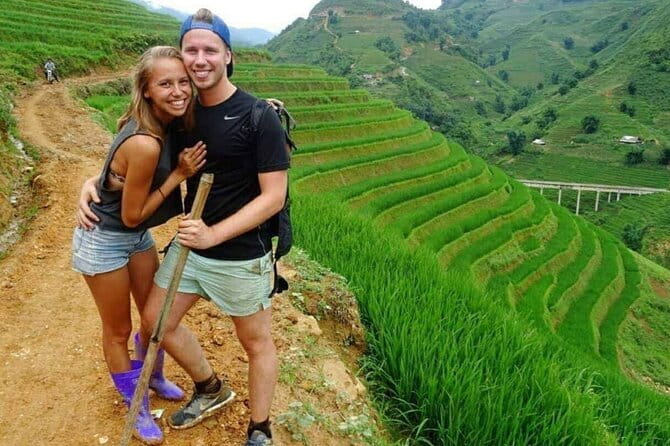
Many Sapa visits focus on the town, a cable car, or a quick walk through one nearby village. This trip gives you three days to move through several communities and see how the scenery changes from one valley to the next.
The cultural side matters just as much as the walking. In Lao Chai, you learn about Hmong farming and textile work. In Ta Van, you encounter a community shared by Hmong and Giay people. The route also brings you into Dao culture, although the supplied schedule does not assign a specific Dao village to a particular stop.
Your local guide is central to the experience. The guide does more than point out rice fields. You can ask about farming, clothing, village customs, and daily work as you walk. Previous guide feedback specifically praises Hoai for her helpful answers and insight into Sapa’s trails and culture. Kien is also praised for his enthusiasm, attention to detail, and skill in taking photos. Guides can vary, but the experience clearly depends on having someone who can make local contact easy and respectful.
The group limit of 15 is useful. It is small enough to keep the walking group manageable, while still large enough to bring some social energy to the bus rides and shared meals.
More Waterfall Treks in Vietnam
- Cao Bang Easy Trekking Tours 2Days/1Night Ban Gioc Waterfall ET1
★ 5.0 · 22 reviews - Amazing Mai Chau – Pu Luong 3 days: Waterfall, Rafting & Trekking
★ 5.0 · 14 reviews - 3-day Pu Luong Adventure:Trekking, Waterfall from Hanoi
★ 5.0 · 2 reviews
Day one: Hanoi, Sapa, and the descent to Cat Cat
The trip begins at 204 Đ. Trần Quang Khải in Hanoi’s Hoàn Kiếm area. You should be ready for a long first transfer, roughly five hours according to the schedule. A clean, air-conditioned sleeping bus with a safe driver is included, which makes the distance more bearable than a standard seated coach.
On arrival in Sapa, your local guide meets you at the bus office. The schedule allows about 90 minutes for lunch and hotel check-in before the afternoon walk. That pause is welcome because the afternoon trek begins soon after you arrive.
At about 2:30 pm, you walk downhill from Sapa town toward Cat Cat Village. The route is listed at 3 kilometers and takes around three hours, allowing time for scenery, village visits, and photographs. The descent brings you past terraced rice fields and misty mountain views, with the town quickly feeling far away.
Cat Cat is a well-known stop, so do not expect total solitude. Its value here is that you reach it on foot and have a guide to explain what you are seeing. The trip description also highlights waterfalls and local village life, giving the afternoon more substance than a quick photo stop.
The return to Sapa starts around 5:30 pm and covers about 4 kilometers. This is the part to take seriously. You are walking uphill after an already active afternoon, and the return route can feel harder than the descent. Quiet paths and greenery offer a different view, but comfortable shoes are essential.
Dinner is scheduled for about 7 pm, followed by free time in Sapa. That open period is useful. You can rest, take a shower, or walk around town rather than being pushed from one scheduled stop to the next. Day one combines a long bus ride with several hours outside, so do not plan a late night.
Day two: Y Linh Ho, Lao Chai, and Ta Van
Day two begins at 7 am with breakfast. At 8:30 am, the trek heads toward Y Linh Ho, a quieter village known for its mountain views and old terraced fields. The route is described as lasting about three hours.
Y Linh Ho is a good early stop because it shifts the focus from Sapa’s tourist center to rural scenery. You may see farming areas and long views across the valley, depending on the weather. The schedule refers to century-old terraces, which helps explain why the fields are such a major part of Sapa’s visual appeal. They are not just pretty backdrops. They are working land shaped by generations of farming.
From Y Linh Ho, you continue to Lao Chai, the center of a Hmong community. This section also lasts about three hours. Here, the guide can help you understand traditional farming methods and the production of textiles dyed with natural materials.
That cultural explanation is one of the best reasons to choose this trip. Without a guide, you might notice clothing, tools, or fields without understanding their place in daily life. With a local guide, you can ask direct questions and avoid treating the villages as scenery alone.
The afternoon or evening leads to Ta Van Village, home to both Hmong and Giay communities. The route passes bamboo groves, rivers, and rural paths before reaching the village. Ta Van is where the trip’s homestay element becomes most important. You are not simply looking around and leaving. You stay, eat, and share the setting with local hosts.
The accommodation is described as simple but authentic. That means you should adjust expectations before booking. This is not the place to expect a full-service hotel, and the basic nature of the lodging is part of the tradeoff for staying in the villages. One guide response specifically points out that the simplicity of local accommodation is part of the experience.
Dinner is included, as is breakfast the next morning. Meals are also included throughout the trip, with vegetarian food available if requested. You should mention dietary needs when booking rather than waiting until arrival.
Day three: Bamboo forest trails and the journey home
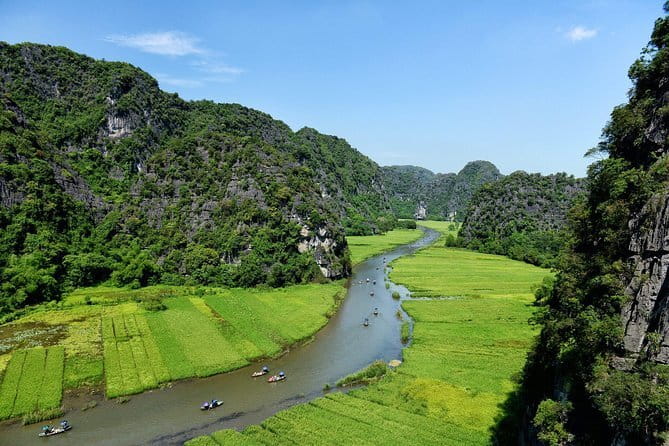
The final morning starts with an outdoor breakfast and views across the rice fields. At about 8:30 am, you set out toward Giang Ta Chai Village.
This section includes a bamboo forest, natural sounds, streams or rivers, and further views of the terraced valleys. The walk lasts around five hours, making it one of the trip’s longer active periods. The setting changes again, so the route does not simply repeat the previous day’s scenery.
Giang Ta Chai is a strong final stop because it brings together several features that define the trip: forest, water, village life, and mountain agriculture. The changing scenery also gives you a final chance to take photographs, but keep your phone protected from rain and mud. The tour information recommends a small backpack, hat, sunglasses, water bottle, and mosquito spray, all sensible choices for this section.
You return to Sapa around 2 pm. The hotel provides time to freshen up with a shower before departure. This small detail matters after several days of walking. At 3 pm, a shuttle takes you to the bus office, where the staff helps with check-in and gives you a packed snack for the ride.
The return to Hanoi takes roughly six hours according to the schedule. The activity ends back at the original Hanoi meeting point. In practical terms, the third day is not finished when the trek ends. You still have the shuttle, bus check-in, and long ride ahead, so avoid arranging an important evening appointment in Hanoi.
More Waterfall Treks in Hanoi:
- Bali: Munduk Waterfalls Trek, Twin Lakes and Temple Tour
★ 4.8 · 545 reviews - Khao Sok: Private Waterfalls and Wildlife Half-Day Trek
★ 4.5 · 337 reviews - Selogriyo Temple and Trekking Java Rice Terraces, hidden waterfall -Nature Java
★ 5.0 · 179 reviews - Ubud: Rice Terrace, Holy Water Temple & Waterfalls Trek Tour
★ 4.9 · 115 reviews
What the $163 price really covers
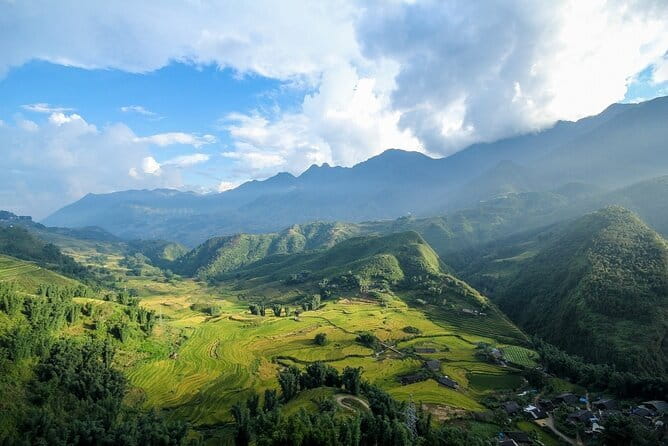
At $163 per person, this trip offers solid value if you plan to use most of what is included. The cost covers transport between Hanoi and Sapa, a local English-speaking guide, village and trekking entrance fees, accommodation, bottled water, three breakfasts, three lunches, and two dinners.
You also receive a hotel stay in Sapa and local homestay accommodation. The mix keeps the price below what you might pay for three nights of private hotel rooms, while adding the village experience that gives the trip its character.
The price does not cover tips, drinks, or personal expenses. Bring some extra money for beverages and a tip for your guide if the service is helpful. Since meals are included, your extra spending should be limited unless you buy souvenirs or additional refreshments.
The value is strongest for someone who wants one organized package. You avoid arranging bus tickets, village transfers, entrance fees, meals, and local guiding separately. The tradeoff is less control over departure times, accommodation style, and the precise route.
The tour is often booked about 29 days ahead. That suggests you should not leave it until the last minute if your Hanoi schedule is fixed, especially during popular travel periods.
Fitness, weather, and what to pack

The operator asks for moderate physical fitness, and that is a fair description. The route includes downhill walking, uphill walking, several hours on foot each day, and uneven trails through villages, fields, forests, and mountain areas.
You do not need to be an extreme hiker based on the information provided, but you should be comfortable walking for three to five hours and handling changes in elevation. Good trekking shoes matter more than fashionable clothes. Wear clothing suited to outdoor activity and bring layers because Sapa weather can be cool, misty, or wet.
Pack light. A small backpack is easier on narrow paths than a large suitcase. Useful items include:
- Comfortable walking shoes
- A hat and sunglasses
- A refillable water bottle
- Mosquito spray
- Clothing suitable for changing weather
- Personal toiletries for the homestay
- A phone or camera protected against rain
The tour runs daily but depends on good weather. The company checks the forecast and promises to advise you in advance if conditions may affect the outing. If poor weather forces cancellation, you are offered another date or experience, or a full refund.
Who should book this experience?
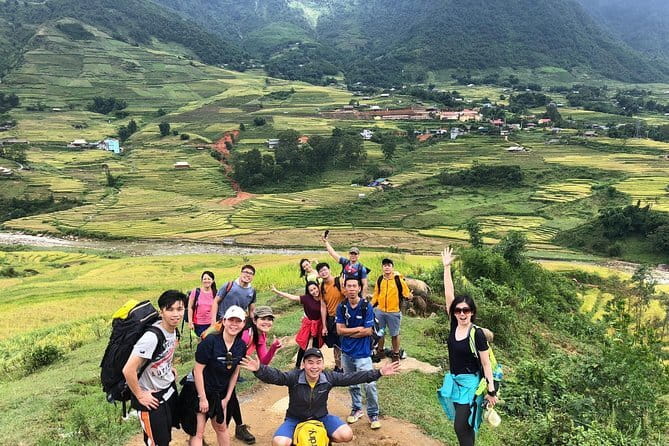
I would recommend this trip to you if you want village contact, active days, and a clear introduction to several ethnic communities around Sapa. It is especially useful if you are starting in Hanoi and want transport, meals, and accommodation handled in one booking.
It also suits people who prefer a local guide to explain what they are seeing. The strongest parts of the trip are not only the rice terraces and waterfalls. They are the conversations about farming, textiles, community life, and the differences between Hmong, Dao, and Giay culture.
You should think twice if you dislike early starts, long bus rides, shared or basic accommodation, or walking in uncertain weather. The return climb from Cat Cat and the five-hour trek to Giang Ta Chai can be tiring. Free time in Sapa helps, but this is not a relaxed resort break.
Families can book, but children must be accompanied by at least one adult. The moderate fitness requirement still applies to every member of the group.
Final verdict: good value for active, curious visitors

I would book this trip if I wanted a practical three-day introduction to Sapa beyond the main town. The route offers several villages, a waterfall area, bamboo forests, rice terraces, local meals, and time with a guide who can explain the culture. The included transport and food make $163 a sensible price for the amount of ground covered.
I would not book it for a private luxury experience or an easy sightseeing schedule. Choose it for the walking, the simple homestays, and the chance to see village life at a human pace. Bring sturdy shoes, keep your schedule flexible, and allow extra time after the final bus ride back to Hanoi.
FAQ
Where does the tour start in Hanoi?
The tour starts at 204 Đ. Trần Quang Khải, Tràng Tiền, Hoàn Kiếm, Hanoi, Vietnam.
How long is the journey from Hanoi to Sapa?
The first bus journey takes about five hours. The return journey from Sapa to Hanoi takes about six hours according to the schedule.
What meals are included?
The package includes three lunches, two dinners, and two breakfasts. Vegetarian food is available on request.
Is accommodation included?
Yes. The trip includes a hotel stay in Sapa and homestay accommodation in the villages. The homestays are simple and part of the local experience.
How difficult is the trekking?
The tour requires moderate physical fitness. It includes a 3-kilometer downhill walk to Cat Cat, a 4-kilometer return trek uphill, and additional walks lasting about three to five hours on the following days.
What happens if bad weather cancels the tour?
The tour requires good weather. If poor weather causes cancellation, you can choose a different date or experience, or receive a full refund. Free cancellation is also available up to 24 hours before the experience begins.
More Three-Day Treks in Hanoi
- Sapa 3 Days 2 Nights Trekking Tour (1 Night In Ta Van Village, 1 Night In Hotel)
★ 5.0 · 699 reviews - 3-Day Trekking Adventure of Sapa from Hanoi – Stay Ta Van Village
★ 5.0 · 611 reviews - Hanoi – Sapa 3 Day 2 Night Trekking With Hotel & Homestay
★ 5.0 · 389 reviews - From Hanoi: Trek and Stay: 3-Day Sapa Highlands Adventure
★ 4.6 · 152 reviews
Recently added around Hanoi
- Trekking around Ha Giang 5 days 4 nights★ 3.0 · 2 reviews
- From Hanoi : Sapa Moutain Trek – Halong bay Heritage★ 4.5 · 25 reviews
- 2-Day SAPA Trekking – Villages-Homestay-Ethnic-Local Food-Market★ 5.0 · 2 reviews
- 8-Days Hanoi, Sapa Trekking And Halong Bay Cruise★ 5.0 · 8 reviews
- Hanoi: 3D2N Mu Cang Chai Visit All Attractions, Trek, Ethnic Life★ 5.0 · 3 reviews
- Mai Chau – Pu Luong trekking 3 days 2 nights★ 4.5 · 7 reviews
- Trekking In Ha Giang 5 Days★ 5.0 · 4 reviews
- Sapa trekking – Unique Route – 2D1N★ 5.0 · 3 reviews
Waterfall Treks, compared.
Munduk Waterfalls Trek, Twin Lakes and Temple Tour
Read our review →

Selogriyo Temple and Trekking Java Rice Terraces, hidden waterfall -Nature Java
Read our review →
Rice Terrace, Holy Water Temple & Waterfalls Trek Tour
Read our review →
Trekking to Waterfall Adventure Tubing 45 mins. (Only Khao lak)
Read our review →
2-Days Jungle Trek, Waterfalls and Karen Village
Read our review →
Wild Elephant Anakulam & Waterfalls Tour(munnar valley Trekking)
Read our review →
Tamanique Waterfalls Complex Trek + El Tunco Beach
Read our review →Browse the lists this tour appears in