
REVIEW · LOMBOK
Mount Sangkareang Trekking 2D1N 3200msl – Tetebatu
The best mountain views often require a little sweat. This two-day trek from Tetebatu takes you through cool rainforest to Mount Sangkareang, Rinjani’s second summit at 3,200 meters, with wide views of Segara Anak Lake, Bali, the Gili Islands, and Sumbawa. I like the shady forest route and the quieter setting compared with the main Rinjani summit trek. I also like that the guide, porters, camping gear, meals, and transport are covered in the $195 price.
The main catch is the effort. The route may be gentler than the main summit, but day two still includes an early start, a two-hour climb to the summit, and a long descent. You need moderate fitness, patience, and a willingness to sleep in a tent. The program is promoted around sunrise at the summit, even though some descriptions also mention sunset views, so confirm the exact schedule when you book.
Key points at a glance
- A quieter Rinjani route: The Tetebatu approach uses a forest trail with fewer people and less litter than the busier main routes.
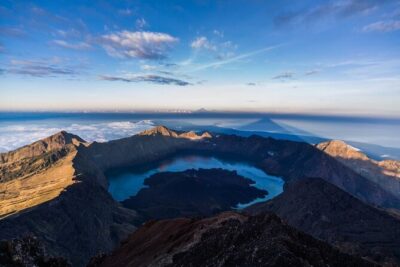
- A 3,200-meter summit: Mount Sangkareang gives you views of Rinjani’s main summit, Segara Anak Lake, Baby Volcano, Bali’s Mount Agung, and the Sumbawa Islands.
- Cool, shaded walking: Much of the first day passes through dense tropical forest and beneath large trees, which helps soften Lombok’s heat.
- A demanding second day: The summit climb begins around 4 a.m., followed by a descent that can take about seven hours in total.
- A private group experience: Only your own group takes part, with a guide and porters supporting the climb.
- Strong service record: Guides named in past accounts include Yan, Ferry, Jalal, Egol, and Choup, while Jonny is praised for quick communication and careful arrangements.
Why the Tetebatu route makes sense
Most people know Rinjani for its famous summit and the crater lake. This trip offers a different way into the mountain area, starting from Tetebatu at about 700 meters above sea level. You gain a high viewpoint without taking on the full main-summit program.
I like the balance here. You still get a genuine mountain night, a high summit, a crater view, and a long walk through forest. Yet the route is described as gentler and more suitable for beginners than the standard Rinjani summit climb. That does not make it easy. It simply means the challenge is more manageable for someone with reasonable fitness.
The southern approach also brings a quieter feel. The path is described as newer and more natural, with fewer tourists and less rubbish. If you prefer a peaceful trail to a crowded mountain procession, this is a strong reason to choose Sangkareang.
More Two-Day Treks in Lombok:
- 2D1N Senaru Crater Rim Trekking
★ 5.0 · 178 reviews - Rinjani trekking 2D 1N RIM
★ 5.0 · 94 reviews - Trekking Mt. Rinjani 2 Days 1 Night Senaru Crater Rim
★ 5.0 · 55 reviews
Starting in Tetebatu and entering the Monkey Forest
The day begins at Jonny’s Place on Jalan Raya Tetebatu. You are asked to arrive about 30 minutes before 8 a.m., so an early breakfast and a little time to organize your pack are wise.
The opening section passes through Tetebatu’s Monkey Forest. Black and gray monkeys live in this area, and the route gives you an early view toward Rinjani and Mount Sangkareang. It is a pleasant start because you are not immediately thrown onto a steep exposed slope. You begin among village scenery and trees, then gradually move into thicker forest.
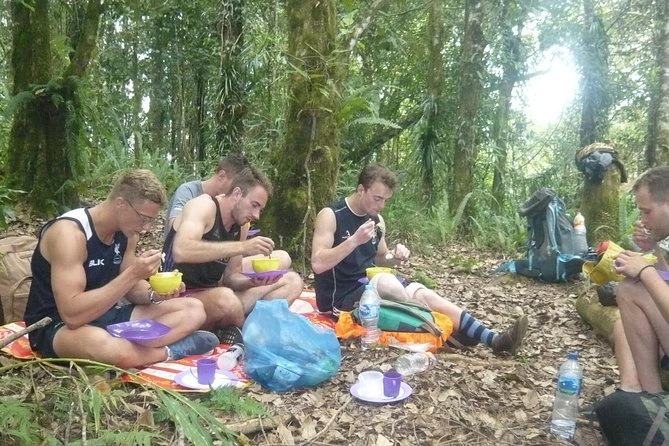
About 30 minutes after the Monkey Forest, the path enters dense woodland. The trees block much of the sun, and the air can feel cool beneath the canopy. That shade matters in Lombok, especially as you build up several hours of walking.
The forest is one of the main reasons to pick this route. It is not just a means to reach the summit. You walk among large trees on a trail described as natural and relatively new, with a quieter mood than the better-known Rinjani approaches. The tradeoff is that a natural trail can feel less polished, so watch your footing and let your guide set a sensible pace.
The long first day to the camping ground
The first day is listed at roughly 10 hours, including the ascent and rest periods. After about 90 minutes in the forest, you reach the first stated rest point, Pondok Beland. From there, the trail continues upward toward the camping ground inside Mount Rinjani National Park.
The exact walking rhythm will depend on your group, guide, weather, and breaks. Still, you should think of day one as a full mountain day, not a gentle afternoon stroll. A moderate fitness level is the official expectation, and I would take that seriously.
Porters carry the camping equipment and help with the practical work. That makes a real difference. You can keep your own day pack lighter and save energy for the climb, but you should still carry personal water, rain protection, warm clothing, and anything you need during the day.
At the camping ground, you sleep in a tent. Dinner is included, and the package covers camping equipment. The tent is not a hotel room, of course, but it gives you the valuable experience of spending the night high on the mountain rather than returning to town.
Past accounts of the trip give particular credit to the porters for setting up a comfortable camp and preparing good food. That support is easy to undervalue before the trek. After many hours on your feet, a meal and a ready tent feel like important parts of the experience, not small extras.
The 4 a.m. climb to Mount Sangkareang
Day two starts early, at about 4 a.m., with coffee or tea and a light snack. You then begin the climb to Mount Sangkareang, which is listed as taking about two hours from camp.
The early start is designed to put you at the summit for sunrise. Bring a headlamp or confirm that one is supplied, because the climb begins in darkness. The information provided does not list personal lighting among the inclusions, so this is one item worth checking before departure.
At 3,200 meters, the summit is high enough for the cold and thin air to matter. The route may suit beginners compared with the main Rinjani summit, but the final climb still requires steady effort. Take small steps, drink regularly, and tell your guide if you feel unwell. The guide is there to manage the pace as well as show the way.
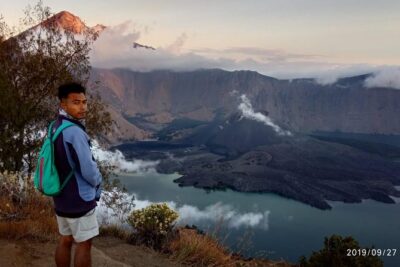
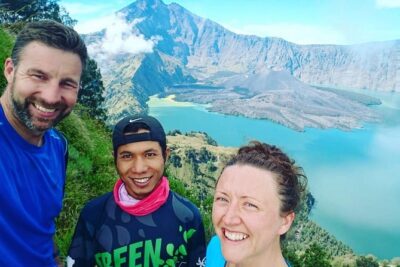
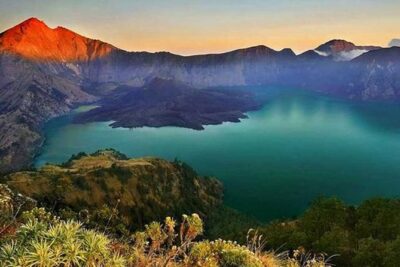
At the top, hot tea or coffee and biscuits are served while you take in the view. The reward is broad and dramatic: Rinjani’s main summit, Segara Anak Lake inside the crater, Baby Volcano, Mount Agung in Bali, and the Sumbawa Islands. On a clear morning, this is the moment that gives the long climb its purpose.
The experience is especially good for people who want a high Rinjani viewpoint without committing to the standard summit route. You still see the volcanic scale of the area, but from a different angle. The setting also feels more remote because the Tetebatu side is quieter.
A few more treks around Lombok worth a look
- Rinjani Trekking 3D2N Summit
★ 4.5 · 85 reviews - 3D/2N Rinjani trekking summit,lake and hot springs.
★ 5.0 · 85 reviews - Rinjani Trekking 3 Days 2 Nights (Sembalun – Senaru)
★ 5.0 · 84 reviews - Mount Rinjani Second Summit Trekking ( 2Days-1Night )
★ 5.0 · 49 reviews
The return journey is the real test
After the summit, you return to camp for breakfast and a rest. Then comes the long descent: about 90 minutes back toward Post 3, followed by roughly five hours through the forest toward Tetebatu. After lunch at Post 1, the final walk through the village takes about another hour.
This return is not an afterthought. It is the part you need to prepare for most carefully. Descending for several hours can be hard on tired knees, and uneven ground demands concentration even when the route points downhill.
The scenery helps. You pass back through the remote forest trail, then gradually return to the village setting. The contrast between the high mountain camp and Tetebatu’s cultivated surroundings gives the trek a clear sense of place.
The program ends back in Tetebatu, with transport to your hotel included in the stated arrangements. The official meeting and ending point is Jonny’s Place, so confirm where your pickup and final drop-off will be if you are staying outside Tetebatu. Some accounts describe extra transfers from places such as Bangsal, the airport, or onward destinations, but those arrangements should be confirmed directly rather than assumed.
Guides, porters, and the human side of the trek
The strongest praise for this experience centers on the crew. Jonny is described as quick to answer questions through WhatsApp and easy to contact while plans are being made. That matters in Lombok, where transport, weather, and mountain conditions can affect a trek.
Several guides are named in personal accounts. Yan, Ferry, Jalal, Egol, and Choup are all associated with friendly, attentive support. Jalal is especially praised for knowing the mountain well, while Egol helped a participant who had a leg injury by carrying their bag. Those details suggest a team that pays attention to how people are coping, not just to reaching the next point.
The exact guide you receive is not guaranteed in the information provided. Still, the repeated praise for good humor, English communication, care, and organization is encouraging. This is a private activity, so your group does not have to match the speed or style of strangers.
The porters are a major part of the value. They carry camping equipment, help with meals, and prepare the sleeping setup. Tipping is not included, so carry some Indonesian rupiah for the guide and porters at the end.
What the $195 price covers
At $195, this is not simply a walking permit. The price includes a guide, porters, camping equipment, the trekking entrance ticket, dinner, two breakfasts, two lunches, and pickup and drop-off transport as stated.
That bundle makes the price easier to understand. Organizing a two-day mountain trip on your own would mean arranging park access, tents, cooking equipment, food, local guiding, and transport. You would also lose the local support that helps with pacing and trail decisions.
The value is strongest if you want a supported trek and prefer not to carry camping gear. It is less attractive if you already have equipment, know the area, and want to walk independently. This is a private tour, so the cost may also make more sense for a small group that can share the arrangement.
Personal expenses and tips are not included. Ask what transport is covered if you are not staying near Tetebatu, and confirm the meal details if you have dietary needs. The information says dinner, two breakfasts, and two lunches are provided, but it does not explain menus or special diet options.
Who should book this trek
I would choose this trip if you want:
- A two-day Rinjani experience rather than a longer mountain program
- A forest-heavy route with shade and village scenery
- A quieter alternative to the main summit trail
- A guided private trip with porters and camping equipment
- A high viewpoint over Segara Anak Lake and the surrounding islands
- A manageable introduction to serious Indonesian trekking
I would think twice if you dislike early starts, tents, long descents, or changing weather. You also need enough fitness for a 10-hour first day and a demanding second day. The description calls the route suitable for beginners, but that should mean beginners who are reasonably active, not someone unused to long uphill walks.
The trek is not wheelchair accessible, and the stated requirement is moderate physical fitness. It is close to public transportation, but the tour itself includes arranged pickup and drop-off, so confirm the exact transport plan before booking.
Weather, cancellation, and useful preparation
Good weather is required. If poor weather forces cancellation, you are offered another date or a full refund. The same applies if the minimum number of participants is not met.
You can cancel for a full refund up to 24 hours before the start time. Inside that 24-hour window, no refund is provided and changes are not accepted.
Pack for two very different conditions: warm, shaded forest during the day and cold mountain air before sunrise. Bring sturdy walking shoes, a waterproof layer, warm clothing, a hat, sunscreen, personal medication, a headlamp, and a small day pack. Keep valuables and unnecessary clothing to a minimum.
I would also confirm four points before you go: the exact pickup location, the name of your guide, what size day pack you need, and the current trail and weather conditions. These questions are simple, but they prevent avoidable surprises.
Should you book Mount Sangkareang?
Yes, if you want a quieter, supported Rinjani experience with real mountain effort and excellent views. The combination of Tetebatu forest, a 3,200-meter summit, crater scenery, porters, meals, and private guiding gives the trip solid value at $195.
I would not book it as a casual sightseeing outing. The early summit climb and long return demand stamina. But if you are ready for a tough two days and prefer a less crowded route to the standard Rinjani summit, Mount Sangkareang is a smart choice. Confirm the sunrise schedule and transport details, then let the crew handle the heavy camping work while you concentrate on the trail.
FAQ
Where does the Mount Sangkareang trek start?
The stated meeting point is Jonny’s Place on Jalan Raya Tetebatu in Tetebatu, Lombok. You are asked to arrive about 30 minutes before 8 a.m.
How long is the Mount Sangkareang trek?
The experience lasts about two days. The first day is listed at about 10 hours, while the summit climb on day two takes about two hours, followed by a return journey listed at about seven hours.
How high is Mount Sangkareang?
Mount Sangkareang is listed at 3,200 meters above sea level. It is also described as Rinjani’s second summit.
What can you see from the summit?
The views include Mount Rinjani’s main summit, Segara Anak Lake, Baby Volcano, Mount Agung in Bali, the Sumbawa Islands, and the surrounding volcanic scenery.
Is camping included?
Yes. The package includes camping equipment, and you spend the night in a tent at a camping ground inside Mount Rinjani National Park.
Are meals included?
Yes. The inclusions specify dinner, two breakfasts, and two lunches. A light snack with coffee or tea is provided before the early summit climb.
Is a guide included?
Yes. A guide and porters are included, along with the trekking entrance ticket and camping equipment.
Is this trek suitable for beginners?
The route is described as gentler than the main Rinjani summit route and suitable for beginners. You still need moderate physical fitness because of the long walking days, early start, uphill climb, and extended descent.
What happens if bad weather cancels the trek?
If poor weather causes cancellation, you are offered another date or a full refund. Free cancellation is also available when you cancel at least 24 hours before the experience begins.
Recently added around Lombok
- Trekking Rinjani 1 Day Trek Senaru Crater Rim★ 5.0 · 3 reviews
- Mount Rinjani 3D2N Private Trek – Summit, Crater Rim & Hot Spring★ 5.0 · 13 reviews
- Popular Rinjani Trekking Tour Service To Summit For 2 Days Via Sembalun Trail★ 5.0 · 8 reviews
- Rinjani Trekking 2D1N Senaru Crater rim★ 4.5 · 9 reviews
- Rinjani Trekking 1 day Trek To the rim via senaru 2,642m★ 5.0 · 16 reviews
- Rinjani Trekking 2D/1N Senaru Crater Rim★ 5.0 · 2 reviews
- 3D 2N Mount Rinjani Trekking Tour To Summit And Lake★ 4.5 · 7 reviews
- Rinjani Trekking 3D2N Summit – Full Trail★ 4.5 · 14 reviews
Lombok Trekking Tours, compared.
3D/2N Rinjani trekking summit,lake and hot springs.
Read our review →
Rinjani Trekking 3 Days 2 Nights (Sembalun – Senaru)
Read our review →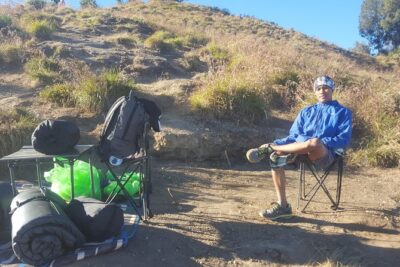
Trekking Mt. Rinjani 2 Days 1 Night Senaru Crater Rim
Read our review →
Mount Rinjani Second Summit Trekking ( 2Days-1Night )
Read our review →
Trekking Rinjani Volcano To Crater Rim Senaru 2D-1N Private – Syam Trekker
Read our review →Browse the lists this tour appears in