
REVIEW · ETHIOPIA
Trekking in Ethiopia’s Lalibela Wollo Highland 4 Days / 3 Nights
Lalibela’s best views begin beyond its churches. This four-day trek takes you into the Wollo highlands, where you walk between rural communities, sleep in community guest houses, and see Ethiopia at a slower pace. I like the direct contact with local life and the chance to spot Gelada baboons near Meskel. I also like that the trip stays private, with transportation, meals, snacks, and a guide included.
The main consideration is the physical effort. You hike for roughly three hours at a time, often at high elevation, and the accommodation is simple. Bottled water is not included, and the final part of the published route is not fully detailed, so you should confirm the exact Day 4 plan before booking.
Key things to know before you book
- The trek begins near Lalibela: You meet at Lalibela Airport at 10:00 a.m., then drive about two hours to Flakit.
- Mekuat Maryam sits at 2,820 meters: The first major stop is set on a plateau promontory with broad mountain views.
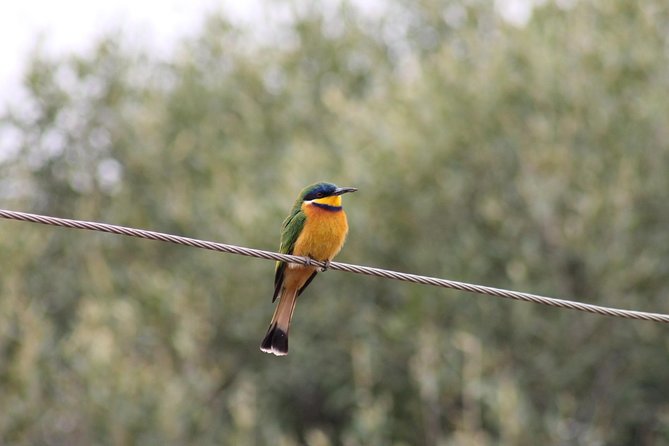
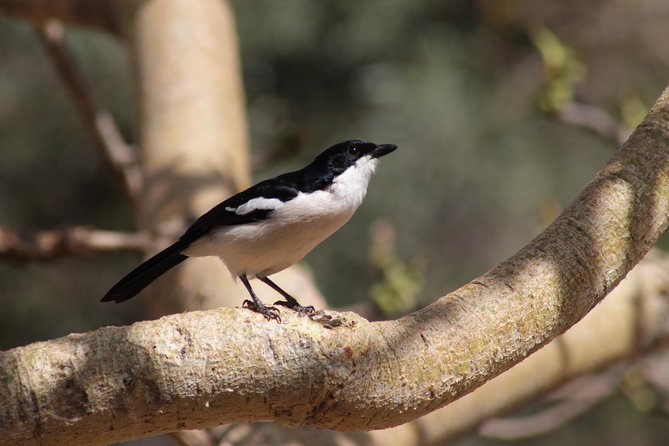
- Meskel is the wildlife highlight: You may see several bird species and Ethiopia’s endemic Gelada baboon.
- You sleep in community guest houses: Overnight stays in Mekuat and Wajela support local communities and bring you closer to village life.
- The group is private: Only your own party takes part, which allows a more personal pace and easier conversation with the guide.
- The price covers the basics: At $500 per person, the package includes private transport, breakfast, lunch, dinner, and snacks, but not bottled water or alcoholic drinks.
Why this trek adds something special to Lalibela
Lalibela is famous for its rock-hewn churches, and you should allow time to see them. Yet the town is only one part of the area. This trek takes you into the Wollo highlands, where the appeal comes from open views, traditional villages, wildlife, and everyday routines rather than a single famous monument.
I like that the trip is built around community stays instead of a standard hotel circuit. You are not simply driven to a viewpoint, given a few minutes for photographs, and returned to town. You walk from place to place, eat with the support of local communities, and spend the night in guest houses along the route.
The private format matters here. A small group can stop for birds, adjust the walking pace, or ask more questions about farming, local customs, and village life. The guide, Maereg, is repeatedly praised for his warmth and for explaining Ethiopian culture and history in a clear, personal way.
This is also an active trip. The walking days are broken into sections, but several stretches last about three hours. The high points are not extreme by mountain expedition standards, but the altitude and uneven rural paths can make the days feel longer than the mileage suggests.
A few more treks around Ethiopia worth a look
- 4 days semien mountain national park trekking,
★ 5.0 · 11 reviews - 4 Days Trekking to Simien Mountain National Park
★ 5.0 · 7 reviews - 4 Days Lalibela Tour with Day Trek to Hudad
★ 5.0 · 2 reviews
Day 1: From Lalibela to Mekuat Maryam at 2,820 meters
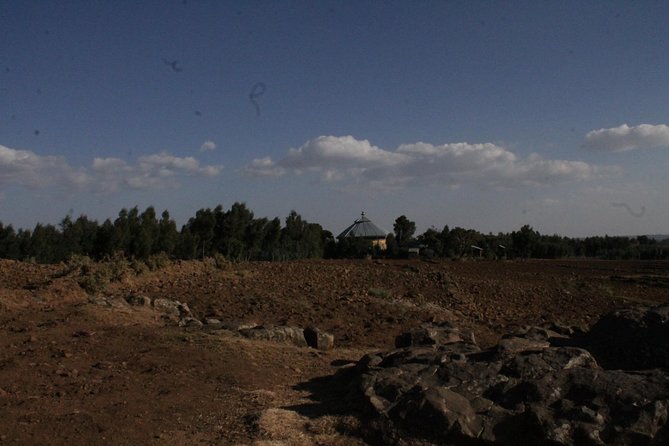
The first morning starts with breakfast in Lalibela. Pickup is listed for 10:00 a.m. at Lalibela Airport, identified by the location code XXHM+6MG in Girany Amba. From there, private transportation takes you about two hours to Flakit.
The drive is useful because it moves you quickly from the tourist center into the countryside. You then stop for lunch at Warkahye before beginning the first hike. The afternoon walk lasts about three hours and leads to Mekuat Maryam.
Mekuat Maryam is set on a promontory of the plateau at about 2,820 meters above sea level. That detail is important. The setting should offer wide views, but the altitude also means you need to walk steadily and drink often. Since bottled water is not included, bring enough water or arrange how you will refill before setting out.
The first day is a good test of the trip. You get transport support at the start, but the walking begins soon after lunch. If you have just arrived in Ethiopia or have spent only a short time at altitude, avoid treating this as a casual afternoon stroll.
Dinner is served at the community guest house in Mekuat. The appeal is the setting and local connection, not hotel-style comfort. The included meals help keep the price under control, but you should expect straightforward food rather than a restaurant menu with many choices.
Day 2: Birds and Gelada baboons near Meskel
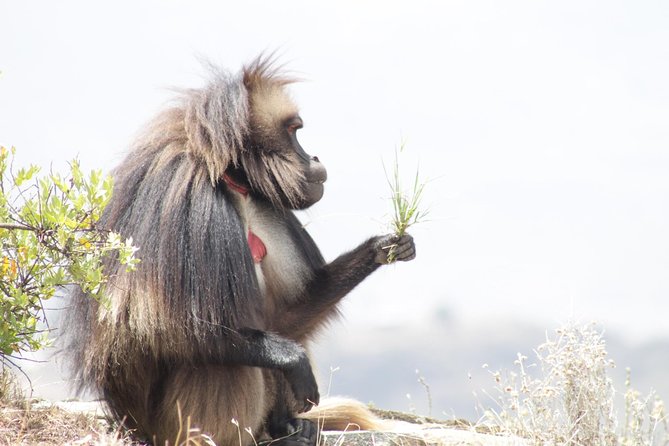
After breakfast at the Mekuat community guest house, you hike for about three hours to Meskel. This is one of the most appealing sections for nature lovers because the area supports different bird species and Gelada baboons.
Geladas are one of Ethiopia’s distinctive endemic mammals, and seeing them would be a major highlight of the trek. The route does not promise a sighting, so keep expectations sensible. Wildlife is never fully scheduled, but the itinerary places you in an area specifically noted for these animals.
You stop for lunch at Meskel before continuing for another two and a half hours to Wajela. That makes Day 2 a substantial walking day, with about five and a half hours on foot, separated by lunch.
Wajela is noted for its beautiful Acacia woodland. The trees give this stop a different feel from the open plateau around Mekuat. I would plan to keep your camera ready, but also leave time to simply watch the surroundings. The point of the trek is not to race between named stops.
Dinner is at Wajela. As with the first night, you stay in a community guest house. These overnight stops are one of the trip’s strongest features, but they also mean you should be comfortable with simple accommodation and a more basic evening routine.
Day 3: A longer route through Gala Dejen and Aterow
Day 3 begins with breakfast at the Wajela community guest house. You then hike for about three hours to Gala Dejen, where lunch is served.
After lunch, the route continues for another three hours to Aterow. Six hours of walking, split into two sections, makes this the day to watch your energy. The schedule is manageable for a fit walker, but it is not a good match for someone expecting short guided walks with long periods in a vehicle.
The information available for the route gives clear details through the arrival at Aterow, but the complete Day 4 description is not provided. That is not a reason to reject the trip, but it is a reason to ask for the final route, walking times, overnight location, and return arrangements before you pay.
This is also the point where the value of a private tour becomes clearer. Maereg can explain the route as you go and respond to your pace and questions. The strongest praise connected with this trip focuses on his character, kindness, and ability to help people understand the countryside and its communities.
Same trailhead, a longer or shorter day out:
- Trekking at Bale Mountains 3 Days
★ 5.0 · 28 reviews - 3 Days Bale Mountains Trekking
★ 5.0 · 19 reviews - 6 Days Bale Mountains Trekking
★ 5.0 · 10 reviews - 5-Day Northern Ethiopia Tour : 3D Simien Mountains Trek & Axum.
★ 5.0 · 9 reviews
Day 4: Confirm the final route before departure
The tour is advertised as four days and three nights, but the supplied schedule cuts off after the Day 3 arrival at Aterow. You should request the complete Day 4 plan directly from Extraordinary Ethiopia Tours.
Ask four simple questions:
- Where do you sleep on the third night?
- How many hours do you hike on Day 4?
- Where does the walking finish?
- At what time do you return to the Lalibela meeting point?
The activity ends back at the meeting point, but the exact final-day timing is not stated. That matters if you have a flight, hotel transfer, or another booking in Lalibela.
A clear final-day plan will also help you pack. The listed inclusions cover meals, snacks, and private transport, but not bottled water. Alcoholic drinks are also excluded. Bring a refillable bottle and confirm the local arrangements for drinking water before you leave town.
Community guest houses and local contact
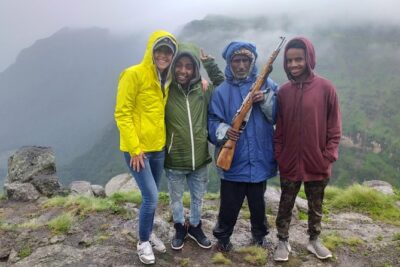
The community focus is more than a marketing detail. Staying in local guest houses gives you a direct connection to the places you pass through and helps spread spending outside Lalibela.
You will see how people live in rural Wollo, but you should approach that experience with respect. This is not a staged cultural show. Daily life continues around you, and the best interactions will come from listening, asking polite questions, and accepting that village accommodation may be modest.
The food is described as simple. That can be a strength after a long walking day, especially when meals are prepared close to where you stay. It also means you should not book this trip expecting elaborate dining or a wide selection of drinks.
What $500 per person gets you
At $500 per person, the price is reasonable if you want a private four-day route with transport, a guide, three nights of community accommodation, and all listed meals.
The value comes from the combination. Private transportation gets you from Lalibela to the trail area. Breakfast, lunch, dinner, and snacks reduce the daily costs that can add up on a remote trek. A private group also gives you more control than a large scheduled departure.
The package does not include bottled water or alcohol, so budget for those separately. The supplied information also does not spell out every possible cost, such as optional purchases in villages or personal equipment. Ask for a full list before departure.
I would compare this price with the cost of arranging a vehicle, guide, food, and village accommodation yourself. For most people, the convenience of having those pieces organized is worth paying for, especially in a rural area where independent arrangements may take time.
Walking difficulty, altitude, and what to pack
The trip includes repeated three-hour hikes, plus a five-and-a-half-hour walking day on Day 2 and about six hours on Day 3. You should be comfortable walking for several hours on rural paths and carrying your personal items.
Mekuat Maryam reaches 2,820 meters. Even if you are generally fit, altitude can affect your pace. Walk slowly, take breaks, and tell Maereg if you feel unwell. Do not assume that a short distance will feel easy at elevation.
Pack light but practical:
- Comfortable walking shoes with good grip
- Warm layers for highland evenings
- Sun protection
- A refillable water bottle
- Small snacks for between scheduled meals
- Basic personal medication
- A daypack for the walking sections
The tour includes snacks, but carrying a few personal favorites can still be useful. Bottled water is specifically excluded, so make that one of your first questions when you meet the guide.
Who will enjoy this four-day trek
I would recommend this trip to you if you want more than Lalibela’s churches and prefer walking through rural areas rather than sightseeing from a vehicle. It suits people who value local contact, simple accommodation, wildlife, and long conversations with a guide.
It also fits independent-minded couples, friends, and small private groups. One group completed the trek with three friends, and the private arrangement can work especially well when everyone has a similar walking pace.
You may want a different tour if you need polished hotels, short walks, fixed luxury services, or a fully detailed schedule before booking. The community guest houses are part of the appeal, but they are not a substitute for a conventional hotel.
The tour is listed as suitable for most people, and service animals are allowed. Still, the altitude and walking time should guide your decision more than the general participation note.
Guide Maereg and the value of a good local escort
A strong guide can change the feel of a trek, and Maereg receives particularly warm praise for his kindness, cultural explanations, and ability to answer questions. Those qualities matter in Ethiopia, where a local guide can help you understand what you are seeing instead of reducing each village to a photo stop.
The most useful guide is not simply someone who knows the trail. You want someone who can explain local life, help you interact respectfully with communities, watch the pace, and handle practical details. The feedback connected with Maereg points to those strengths.
You should still discuss your interests before departure. Tell him if you care most about birds, Geladas, village life, photography, or the walking itself. That gives the tour a clearer focus and helps set realistic expectations.
Booking, cancellations, and practical timing
Confirmation is provided when you book. The tour begins at 10:00 a.m. at Lalibela Airport and ends back at the meeting point.
Free cancellation is available up to 24 hours before the start time for a full refund. Cancellations or changes made within 24 hours are not accepted for a refund. The local time in Ethiopia controls the deadline.
The trip requires good weather. If poor weather causes cancellation, you are offered a different date or a full refund. Because the final Day 4 schedule is incomplete in the supplied details, confirm the return time before arranging onward transport.
Should you book the Lalibela Wollo trek?
Book it if you want to walk into the Wollo highlands, meet rural communities, look for Gelada baboons, and spend four days with a local guide rather than staying in Lalibela every night. The strongest reasons to go are the community guest houses, the mountain setting, the private format, and Maereg’s personal approach.
Think twice if you dislike basic accommodation, long walking days, high-altitude routes, or incomplete scheduling details. Before booking, confirm the full Day 4 itinerary and sort out drinking water.
For an active visitor who has already seen Lalibela’s churches, this trek offers a much fuller picture of the area. It replaces quick sightseeing with time, effort, and genuine contact. At $500 per person, that is a fair exchange for the transport, meals, guide, and private organization included.
FAQ
Where does the trek start?
The trek starts at Lalibela Airport, listed at XXHM+6MG, Girany Amba, Ethiopia.
What time does the tour begin?
The stated start time is 10:00 a.m.
How long is the experience?
The trip lasts four days and includes three nights.
How much does the trek cost?
The price is $500 per person.
Is the tour private?
Yes. Only your own group participates in the activity.
What meals are included?
Breakfast, lunch, dinner, and snacks are included.
Is private transportation included?
Yes. Private transportation is included, including the drive from Lalibela to Flakit.
Is bottled water included?
No. Bottled water is not included.
Can I see Gelada baboons?
The route includes Meskel, an area noted for Gelada baboons and several types of birds. Sightings are possible but not guaranteed.
Where do you stay overnight?
The itinerary names community guest houses in Mekuat and Wajela. The complete overnight details for the remaining night should be confirmed before booking.
Can I cancel for a full refund?
Yes, if you cancel at least 24 hours before the experience begins. Cancellations within 24 hours are not refunded.
What happens if bad weather cancels the trek?
You are offered a different date or a full refund if poor weather causes the activity to be canceled.
Recently added around Ethiopia
- Lasta Mountains: Highland Eco Trekking Tour in Lalibela★ 5.0 · 4 reviews
- 3-days Scheduled Lalibela Churches & Abune Yosef Trekking★ 5.0 · 7 reviews
- Lalibela 2-Day Eco Trekking Tour★ 5.0 · 3 reviews
- 4 Days Lalibela Tour with Day Trek to Hudad★ 5.0 · 2 reviews
- Simien Mountains National Park – 7 Day Trek★ 5.0 · 5 reviews
- 3 Days Simien Mountains Trekking★ 5.0 · 3 reviews
- Day trek to Simien Mountain★ 5.0 · 5 reviews
- Day trek to Simeien Mountains★ 5.0 · 3 reviews
Ethiopia Trekking Tours, compared.
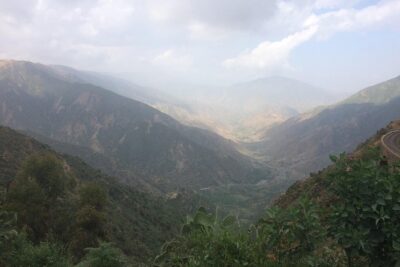
5-Day Northern Ethiopia Tour : 3D Simien Mountains Trek & Axum.
Read our review →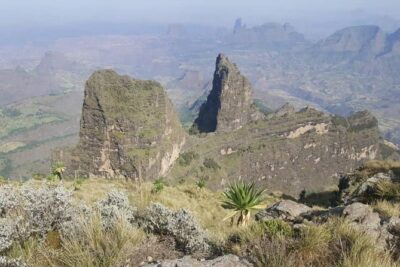

4 Days Trekking to Simien Mountain National Park
Read our review →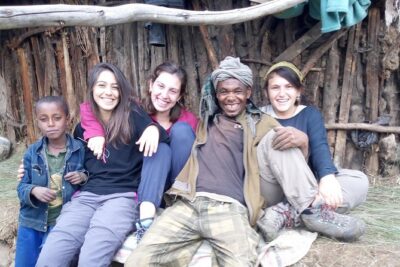
3-days Scheduled Lalibela Churches & Abune Yosef Trekking
Read our review →Browse the lists this tour appears in