
REVIEW · MAGDALENA, COLOMBIA
Coffee, Cocoa and Trekking Tour in Minca: Nature, Crops and Production
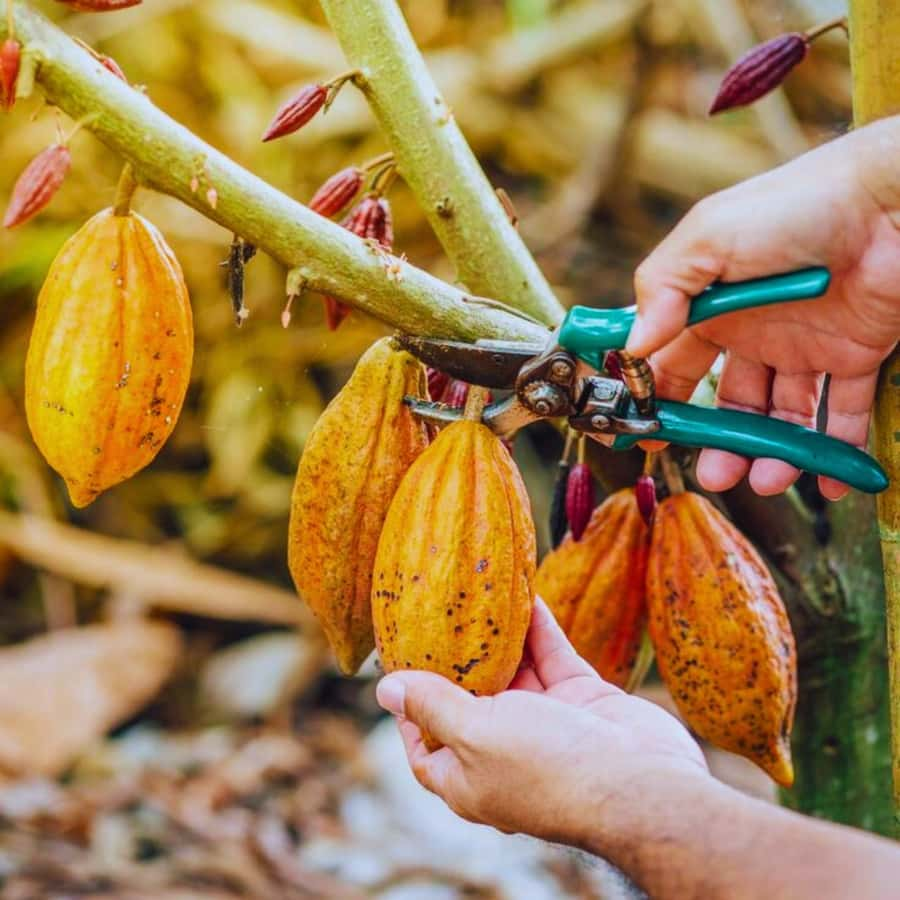
Coffee tastes better at the farm. This half-day outing combines a guided hike, a family-run coffee and cocoa farm, handmade tastings, and a refreshing stop near a waterfall. I like the direct connection with local producers, and I like that the tour explains the full process, from cultivation and harvesting to production. The main thing to consider is the uphill walking, which can be demanding in warm, humid conditions.
You meet in central Minca, near the church, and return there after about four and a half hours. Guides such as Albert, John, and Jorge have been praised for their friendly approach and clear explanations. Bring water, shoes that can handle mud, insect repellent, and clothes you do not mind getting dirty.
Key points to know before booking
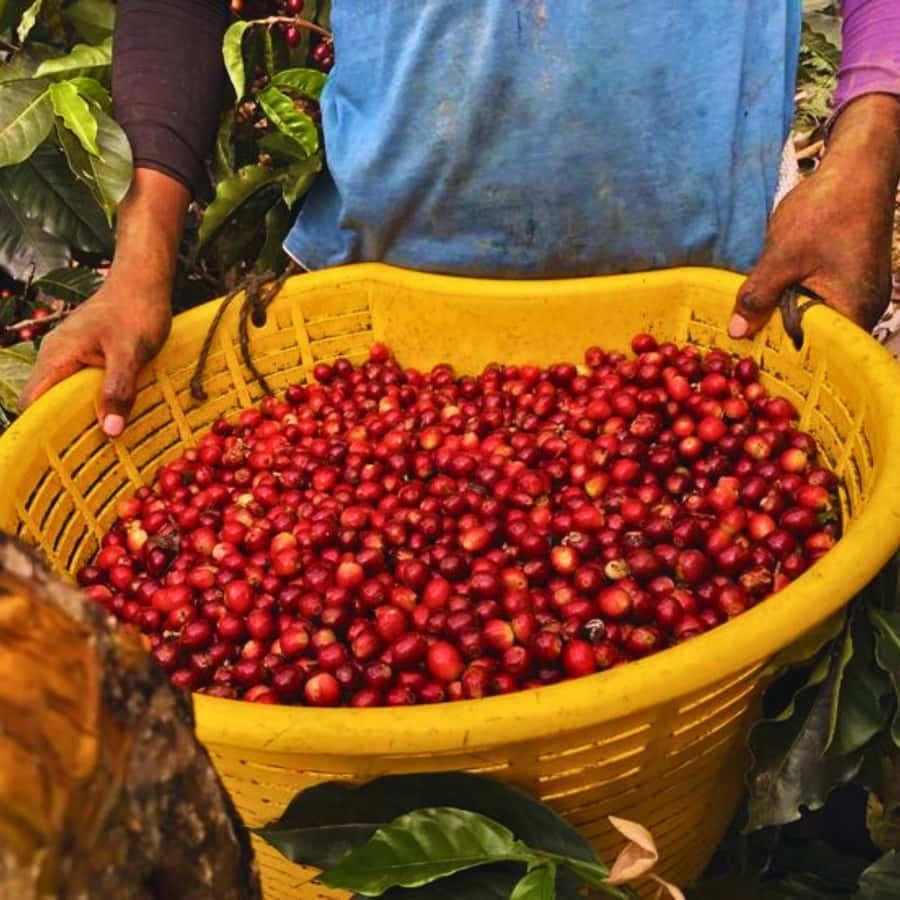
- Family-run coffee and cocoa farm: You see manual production methods and learn how both crops are grown and processed.
- A real uphill hike: The route includes natural trails and can be strenuous in places, so sturdy footwear matters.
- Waterfall and swimming opportunity: A natural pool near a waterfall may provide time for a short swim, depending on conditions and the pace of the group.
- Coffee and cocoa tasting: Organic coffee and handmade cocoa products are included, giving the farm visit a flavorful finish.
- Small-community focus: Your booking supports local farmers, guides, and conservation work in the Sierra Nevada de Santa Marta.
- Simple logistics: The tour starts and ends at Minca Park, but food, drinks, and transportation are not included.
Why this Minca tour feels different
Minca is not just a place to admire from a lookout. It is a working mountain community where farms, forests, streams, and homes share the same slopes. This tour gives you a practical way to understand that setting.
The focus is coffee and cocoa, two crops closely tied to the area’s economy and identity. You are not simply handed a cup of coffee and sent on your way. The guide explains cultivation, harvesting, processing, and the move from older farming methods toward more sustainable agroecological practices.
That matters because the taste in your cup has a story behind it. Soil, altitude, rainfall, shade, labor, and processing all affect the final product. You also get a clearer sense of the work involved in making cocoa by hand.
The tour is also built around community-based tourism. A local farm receives direct support, while the guide shares knowledge about biodiversity and farming. For me, that gives the $41 price more weight than a simple sightseeing walk. You are paying for a guide, a farm visit, tastings, access to local knowledge, and a contribution to conservation and community work.
The experience is not polished like a large commercial attraction. That is part of its appeal. Expect a working farm, a family welcome, natural paths, and an educational visit rather than a staged show.
A few more treks around the world worth a look
- Off the Map Chiang Mai Jungle Coffee Trek Roast and Brew
★ 5.0 · 107 reviews - Trekking History and Indigenous Heritage in Minca + Cacao & Coffee + Waterfall
★ 4.9 · 63 reviews - Chiang Mai Coffee Full Day Tour: Trek, Brew & Roast Journey.
★ 5.0 · 38 reviews
Starting at Minca Park and finding your footing
The meeting point is Central Park in Minca, close to the church or small chapel. This is useful because the tour does not require you to find a remote farm on your own.
The first section takes you toward Puente de Minca. The listed schedule assigns about an hour to this guided portion, though the total tour lasts around four and a half hours. Your guide begins introducing the area, the local setting, and the role of the surrounding mountains.
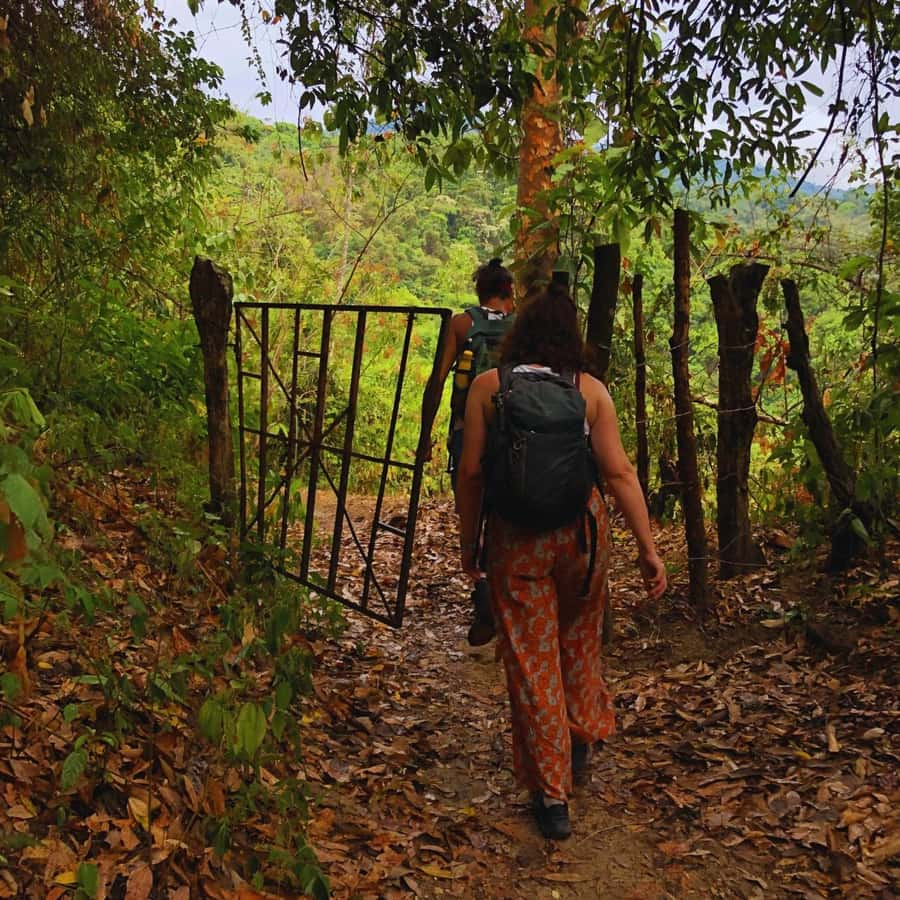
This opening walk helps you adjust to the terrain. Minca’s paths can be uneven, and the route includes uphill sections. I would not treat this as a casual stroll through town. Even if you are comfortable walking, the heat and humidity can make the climb feel harder than the distance suggests.
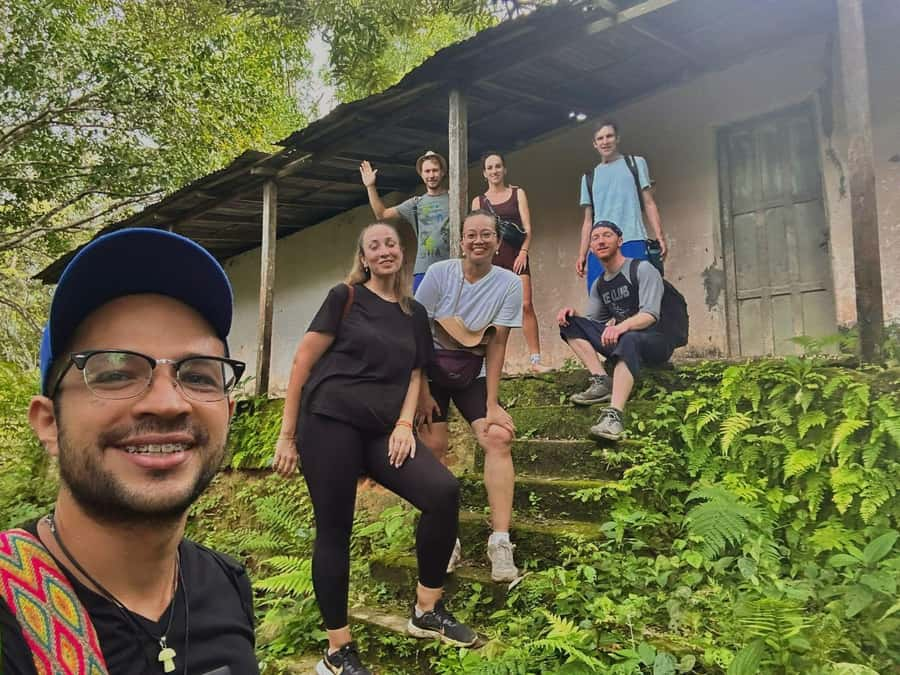
The guide is an important part of the experience here. Albert has been praised for answering questions patiently, while John and Jorge have also received strong praise for their friendly and informative manner. Guide assignments can vary, but the personal style of the tour appears to be consistent: conversation, questions, and explanations as you go.
Crossing Puente de Minca and entering the countryside
Puente de Minca serves as an early point on the route before the walk continues through the area around Minca Park and toward the farm. The appeal is not a single major monument. It is the change in scenery as buildings give way to forest, crops, streams, and mountain views.
Your guide may point out native plants, older trees, and the way water sources support both farms and wildlife. The Sierra Nevada de Santa Marta has several climate zones, or thermal floors, within a relatively compact area. That helps explain why the region supports a wide range of plants and why farming conditions change as you move through the mountains.
The walking portion gives the coffee and cocoa lesson a physical setting. Instead of hearing about soil and rainfall in an indoor presentation, you see the slopes and vegetation where crops are grown.
The drawback is simple: the path may not suit everyone. The experience is not designed for wheelchair users, children under eight, pregnant women, or people with respiratory problems. It is also not recommended for people over 80, with additional age restrictions listed for those over 70 and over 95. That wording is inconsistent, so anyone near those age limits should confirm suitability before booking.
The farm visit and the work behind every cup
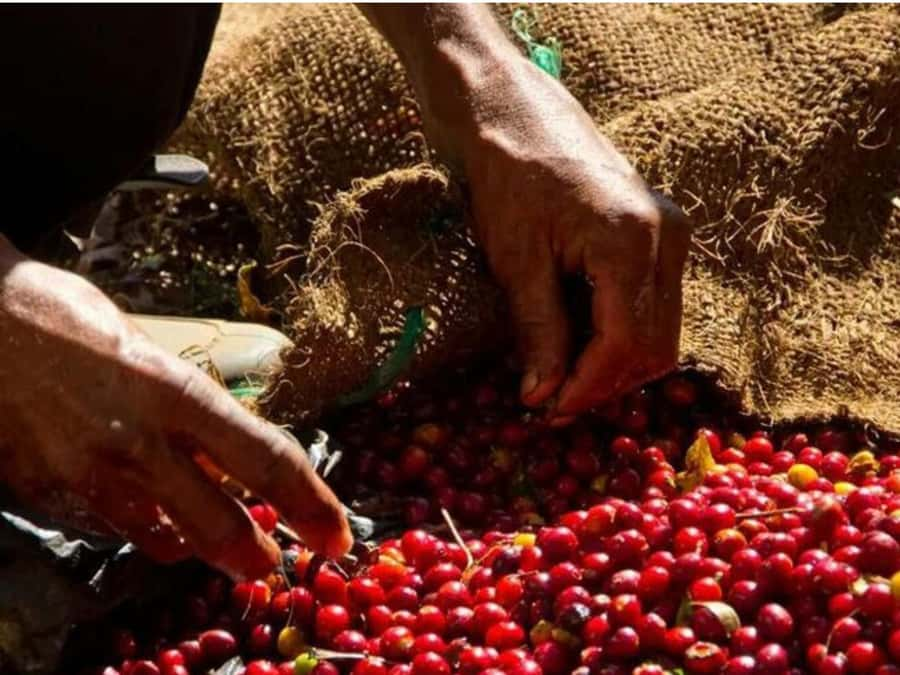
The key stop is Finca San Rafael, a sustainable farm visited during the final part of the outing. The supplied schedule describes this section as 30.5 hours, which clearly conflicts with the stated total duration of 4.5 hours. It is best understood as a short farm visit of roughly half an hour, but you should confirm the exact timing when you reserve.
At the farm, you learn how coffee and cocoa are cultivated, harvested, and transformed. The family-run setting makes this more personal than a large plantation tour. You can ask questions directly and see how manual methods remain part of production.
The cocoa process receives particular attention. The tour demonstrates how cocoa is handled by hand, giving you a better idea of the labor between the bean on the tree and the finished product you eat or drink. That practical link is one of the strongest reasons to choose this experience.
The coffee side also connects farming with flavor. You can learn how the crop moves from cultivation toward the finished cup, then taste organic coffee where it is grown. The cocoa tasting adds a second set of aromas and textures, making the visit more than a standard coffee stop.
I would keep your expectations realistic. This is an educational farm visit, not a long technical workshop with every production stage laid out in industrial detail. The available information promises explanations from start to finish, but the farm is local and hands-on. Its value comes from meeting the people involved and seeing the work in context.
Same trailhead, a longer or shorter day out:
- Mount Etna: Trek to 3000m with cable car and 4×4
★ 4.6 · 3,823 reviews - Bali: Mount Batur Sunrise Trek With Guide and Breakfast
★ 4.8 · 3,461 reviews - From Chania: Full-Day Samaria Gorge Trek Excursion & Guide
★ 4.6 · 3,191 reviews - Mount Etna: Summit Crater Trek with Cable Car
★ 4.8 · 1,875 reviews
Coffee, cocoa, and a useful lesson in sustainability
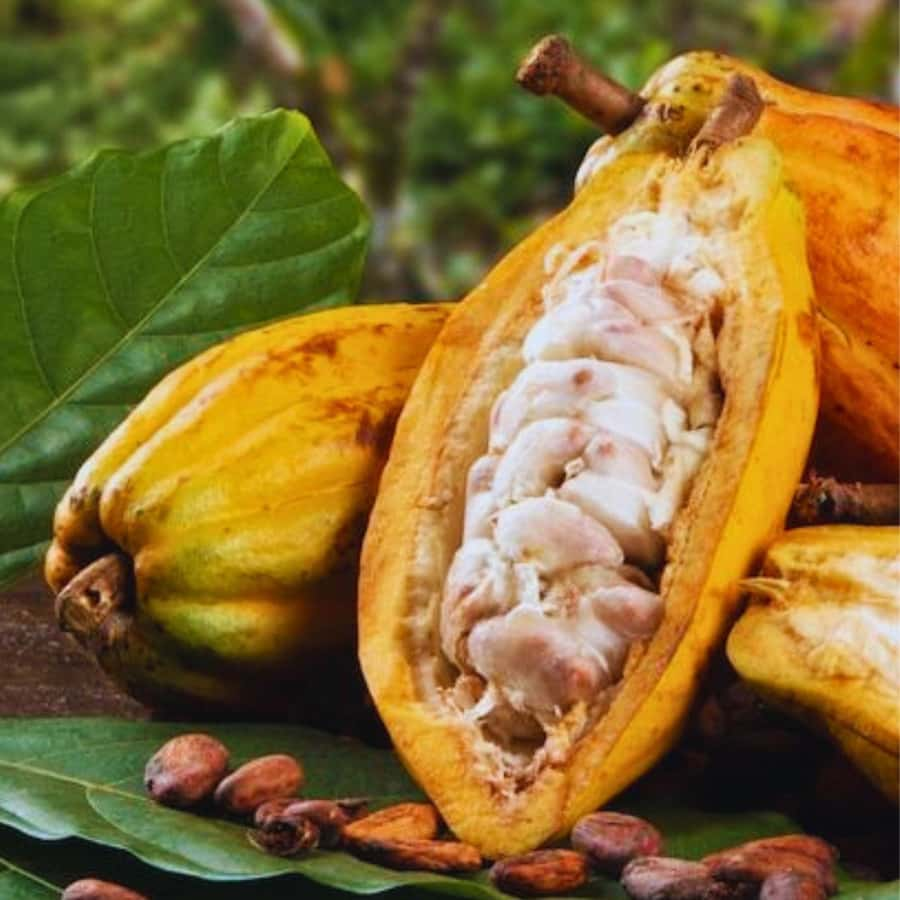
The tasting is one of the most enjoyable parts because it gives purpose to the information you have just heard. Organic coffee and handmade cocoa products let you compare the crops in a direct way.
Sustainability is not treated as a fashionable label here. The tour connects it to farming methods, soil, water, biodiversity, and the long-term needs of local communities. The guide explains how traditional practices have changed toward more sustainable agroecological methods.
That broader explanation helps you understand why coffee and cocoa matter beyond the breakfast table. They support families, shape local identity, and influence how land is used. A good guide can also show how agriculture and forest protection must work together in a mountain region with sensitive water sources.
The tour includes access to natural water sources for refreshment and provides rest areas with views. Still, bring your own water. Food and drinks beyond the included tastings are not part of the price, and you should not rely on finding refreshments at every point along the route.
Forest paths, native plants, and mountain views
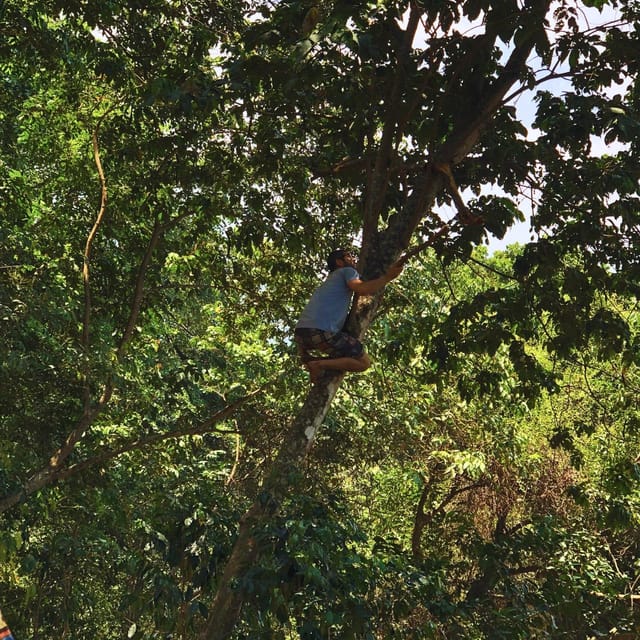
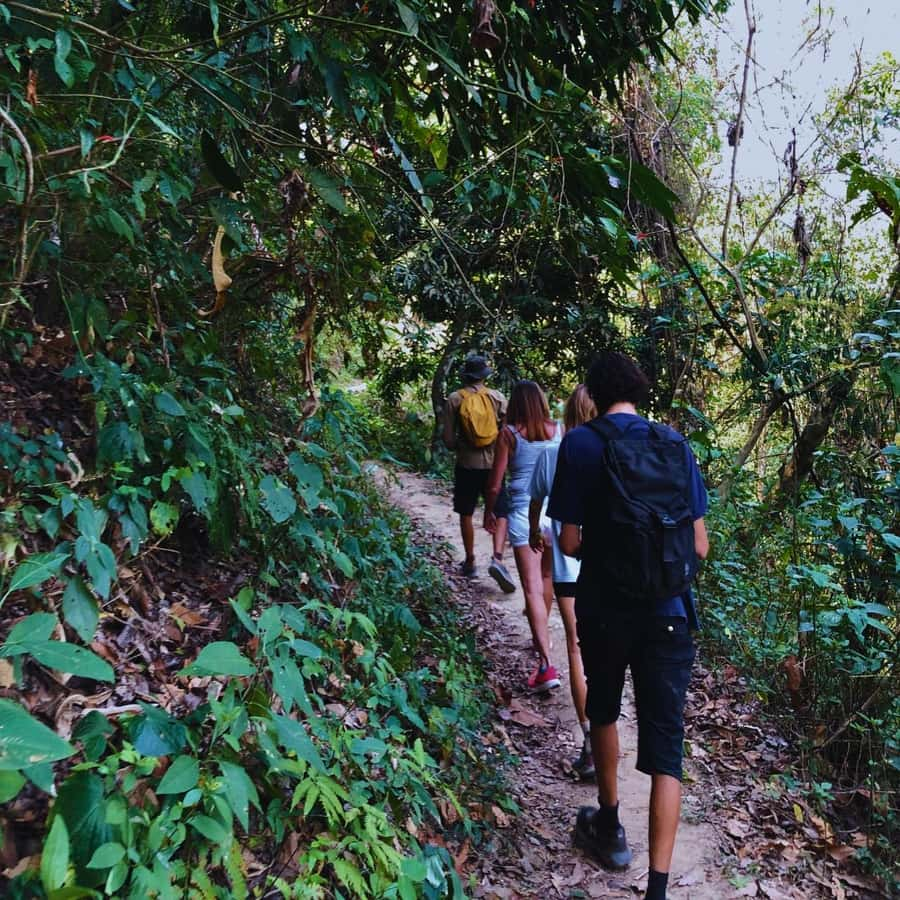
The hike passes through tropical forest and natural trails in the Sierra Nevada. Along the way, you may see native plants, large older trees, and signs of the area’s biological variety. The tour includes observation of local flora and fauna, though no specific animals are guaranteed.
The scenery changes as the trail rises. You may look across misty mountains, dense green forest, and, from suitable viewpoints, toward the Caribbean Sea in the distance. These views give the walk a strong visual payoff, especially after a climb.
One important tip: do not pack this tour around delicate clothing or clean shoes. The suggested gear includes hiking shoes, sports shoes, hiking pants, and clothes that can get dirty. Waterproof clothing is also recommended. Conditions can change quickly in mountain areas, and damp paths are possible.
The hike is part of the reason this tour feels more substantial than a farm tasting alone. It also creates the main physical challenge. If you want a gentle coffee introduction with little walking, this is probably not the right choice. If you enjoy being outdoors and do not mind earning your views, the route adds real value.
The waterfall stop and natural swimming break
One of the most appealing details is the chance for a short swim in a small natural pool near a waterfall. This stop comes after the farm and walking sections, so it can be a welcome chance to cool down.
The exact swimming conditions may depend on water levels, weather, and the guide’s judgment. The experience information mentions natural water sources and a waterfall, but it does not promise a long swimming session. Pack accordingly and do not assume the water stop replaces a full beach or pool day.
I like this part because it fits the character of Minca. You are not moving from one enclosed attraction to another. You are using the forest, streams, and mountain setting as part of the day.
Wear clothing that can get wet or dirty, and bring a reusable bottle. Biodegradable sunscreen and insect repellent are recommended, which is sensible in a forest and farming environment.
What the $41 price really covers
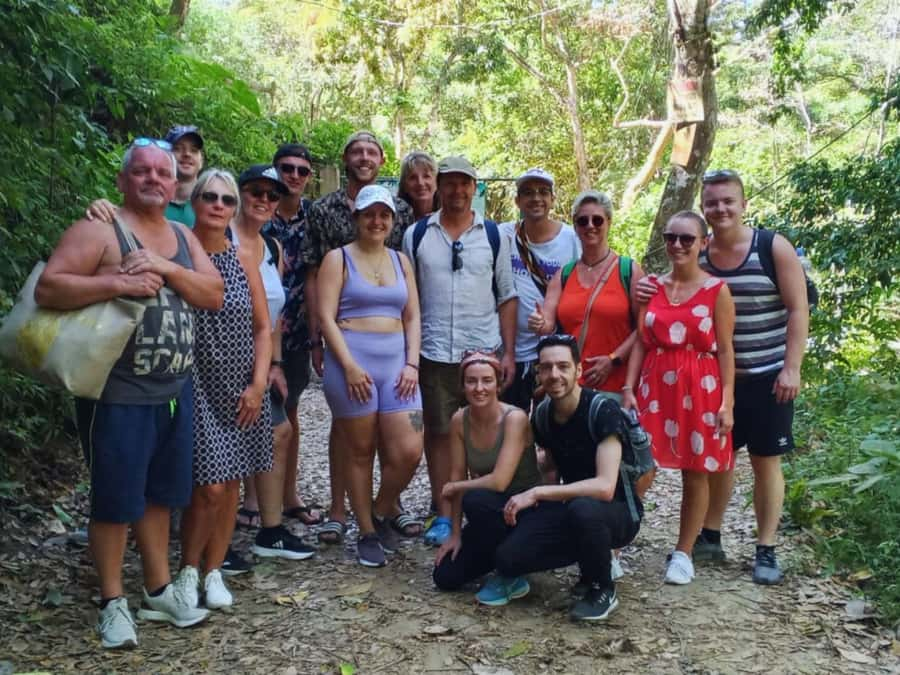
At $41 per person, the tour offers fair value if you want several experiences in one outing. The price includes a specialized local guide, the sustainable farm visit, coffee and cocoa tastings, the guided hike, nature observation, rest areas with views, access to natural water sources, assistance insurance, and support for local community and environmental work.
It does not include transportation, food, or additional beverages. You need to arrange your own way to Minca Park and return from there. If you are already staying in Minca, this is straightforward. If you are based elsewhere, transportation costs will raise the total price.
The strongest value comes from the combination of activities. A separate farm visit, nature walk, tasting, and waterfall stop could take more planning. Here, the guide links them into one half-day route.
The price may feel less attractive if you only want a short coffee tasting or if steep walking is not your style. You are paying partly for access and partly for interpretation. The guide’s ability to explain the crops, local history, biodiversity, and farming practices is central to whether the tour feels worthwhile.
Who will enjoy this experience most
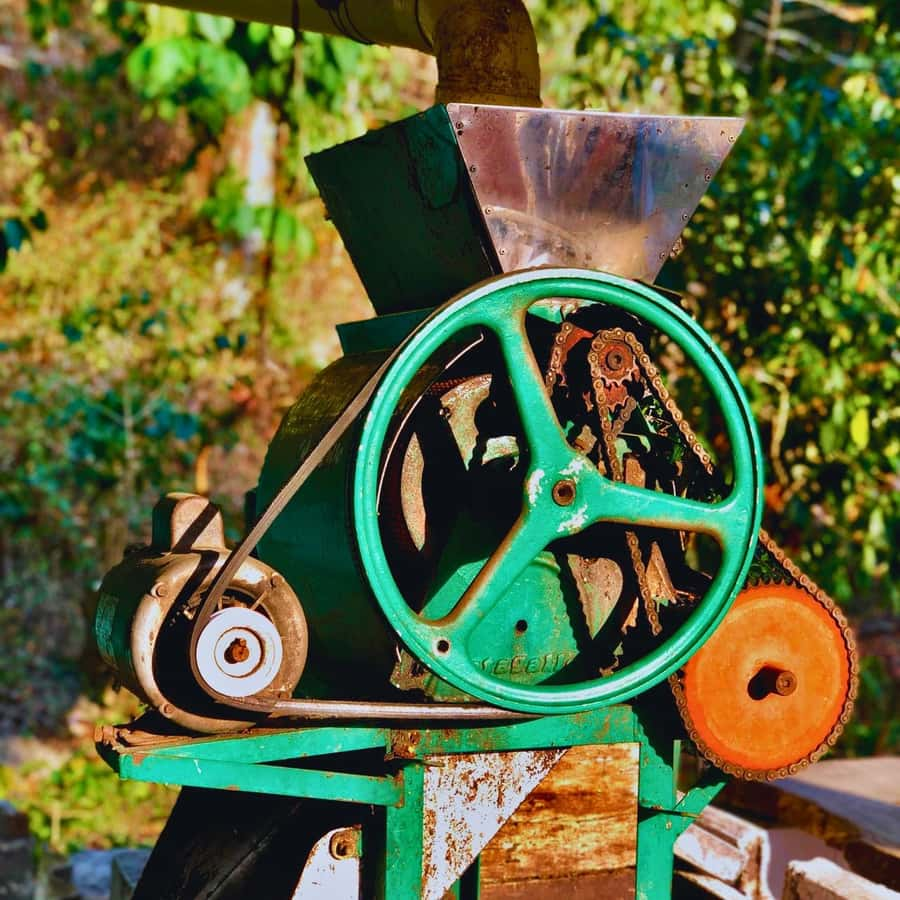
I would recommend this tour to you if you enjoy active outings with a clear local focus. It suits people who want to understand where coffee and cocoa come from, support a family-run farm, and spend time outdoors.
It is also a good fit if you appreciate flexible conversation. The guides are described as kind and willing to answer questions, and the tour can be customized with professional guides. That makes it more appealing than a rigid group presentation.
You should think twice if you dislike uphill walking, warm weather, mud, or basic rural conditions. The route is not suitable for wheelchair users, and the activity is not recommended for children under eight, pregnant women, or people with respiratory issues.
Bring:
- Comfortable hiking shoes with good grip
- Water and a reusable bottle
- Biodegradable sunscreen
- Biodegradable insect repellent
- A hat and waterproof clothing
- Sportswear or hiking clothes
- Clothing that can get dirty or wet
- Any trekking gear you normally use
Weapons, sharp objects, alcohol, and drugs are not allowed. Baby strollers are also not suitable for this route, and nudity is prohibited.
Language, timing, and booking flexibility
The tour is offered in Spanish and English. The experience lasts about four and a half hours, but starting times depend on availability.
The activity begins and ends at Central Park in Minca. There is no included transportation, so plan your arrival carefully and allow enough time to locate the church or chapel meeting point.
Free cancellation is available up to 24 hours before the activity for a full refund. You can also reserve now and pay later, which is useful if your Colombia plans are still shifting.
Because the published farm timing contains an obvious error, I would confirm the exact schedule before paying. The overall duration is clear, but the stop-by-stop timing is not.
Should you book the Minca coffee and cocoa tour?
Book it if you want more than a quick farm photo. The best parts are the family-run coffee and cocoa visit, the hands-on production explanation, the knowledgeable local guides, the forest walk, and the chance to cool off near a waterfall.
I would especially choose it if you are staying in Minca and want a half-day activity that supports local producers. The $41 cost is reasonable for the guide, tastings, farm access, hike, and community contribution.
Skip it if you need an easy, flat outing or if you want a long, formal plantation tour. This experience asks you to walk uphill, handle rural conditions, and bring your own water and transport plan.
For most reasonably fit visitors who want to connect coffee, cocoa, farming, and nature in one outing, this is a strong choice. Pack light, wear shoes you trust, and leave room for a little mud.
FAQ
Where does the tour start?
The tour starts at Central Park in Minca, near the church or small chapel.
Where does the tour end?
The activity ends back at the same meeting point in Minca Park.
How long does the tour last?
The stated duration is approximately four and a half hours.
What languages are available?
The tour is available in Spanish and English with a live guide.
Is transportation included?
No. Transportation is not included, so you must arrange your own way to and from Minca Park.
Is food included?
No. Food is not included. Organic coffee and handmade cocoa products are included for tasting.
What does the tour include?
It includes a local guide, a sustainable farm visit, explanations of coffee and cocoa production, tastings, a guided nature hike, flora and fauna observation, rest areas, access to natural water sources, assistance insurance, and support for local conservation and community work.
Can I swim during the tour?
The experience may include a short swim in a small natural pool near a waterfall. Conditions can vary, so swimming should not be treated as guaranteed.
What should I bring?
Bring water, a reusable bottle, comfortable or hiking shoes, sportswear, clothes that can get dirty, sunscreen, insect repellent, a hat, waterproof clothing, and trekking gear.
Who should not take this tour?
The tour is not suitable for children under eight, pregnant women, wheelchair users, people with respiratory issues, or people in the listed older age categories. If you have concerns about the uphill hike, confirm suitability before booking.
Recently added around the world
- Mt Kilimanjaro Trek, 6 Days – Umbwe Route★ 5.0 · 4 reviews
- 7 Day Trek To The Roof Of Africa Kilimanjaro via Machame Route★ 5.0 · 5 reviews
- Full Day Private Trekking Mu Cang Chai★ 5.0 · 33 reviews
- Mount Kilimanjaro Trek 7-Days: Lemosho Route★ 5.0 · 2 reviews
- 8 Day Kilimanjaro Trek via Lemosho Route★ 5.0 · 17 reviews
- 6-Day Kilimanjaro Machame Route – A Stunning Trek to Uhuru Peak★ 5.0 · 7 reviews
- 7-Days Tour Mount Kilimanjaro Trekking via Machame Route★ 5.0 · 2 reviews
- Trek To Mount Kilimanjaro★ 5.0 · 12 reviews
Coffee Experiences, compared.
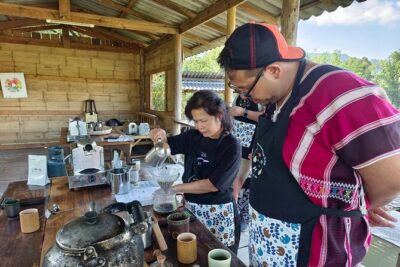
Off the Map Chiang Mai Jungle Coffee Trek Roast and Brew
Read our review →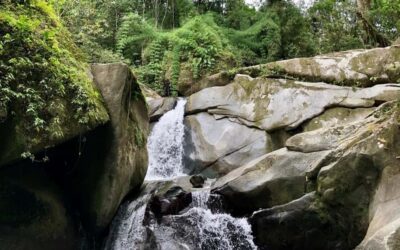
Trekking History and Indigenous Heritage in Minca + Cacao & Coffee + Waterfall
Read our review →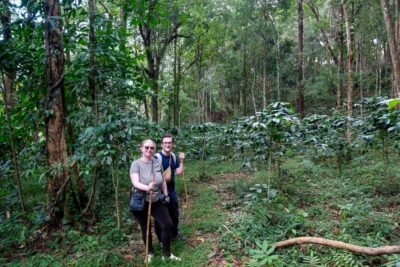
Chiang Mai Coffee Full Day Tour: Trek, Brew & Roast Journey.
Read our review →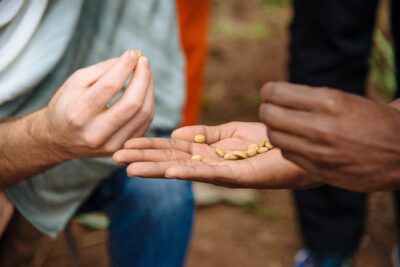
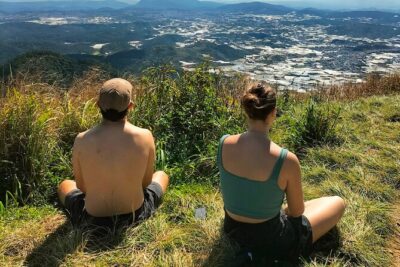
Da Lat Trekking to Langbiang Mountain with Coffee View
Read our review →Browse the lists this tour appears in