
REVIEW · CHIANG MAI
Chiang Mai: 2-Days Chiang Mai Amazing Trek
Forests, temples, and village life come together. This two-day Chiang Mai adventure pairs famous Doi Suthep with quiet Wat Pha Lat, jungle trails, terraced farms, a Karen village homestay, and a calm bamboo raft ride. I especially like the mix of cultural stops and outdoor activity, plus the chance to eat dinner and breakfast with a host family rather than simply passing through the hills.
I also like that the walks include stops for waterfalls, native plants, local herbal medicine, and sustainable farming. The main caution is simple: this is a real mountain trek, not a gentle sightseeing outing, and the overnight stay is basic. Bring proper shoes, insect repellent, and your own small comfort kit.
Key points at a glance
- Two very different temples: See Chiang Mai’s grand Doi Suthep and the quiet forest setting of Wat Pha Lat on the same morning.
- A true village overnight: Sleep in a Karen hill tribe village and share a home-cooked dinner and breakfast with your host family.
- Moderate forest walking: Expect mountain paths, small streams, waterfalls, terraced farmland, and changing weather.
- Guides add local detail: Guides such as Pun and Top explain plants, birds, history, herbal medicine, and village life.
- Bamboo rafting ends the trip gently: After the walking, float through jungle scenery on a traditional bamboo raft.
- Good value at $108: Transport, guide, four meals, homestay, trekking, temples, and rafting are included.
Why this Chiang Mai trek feels different
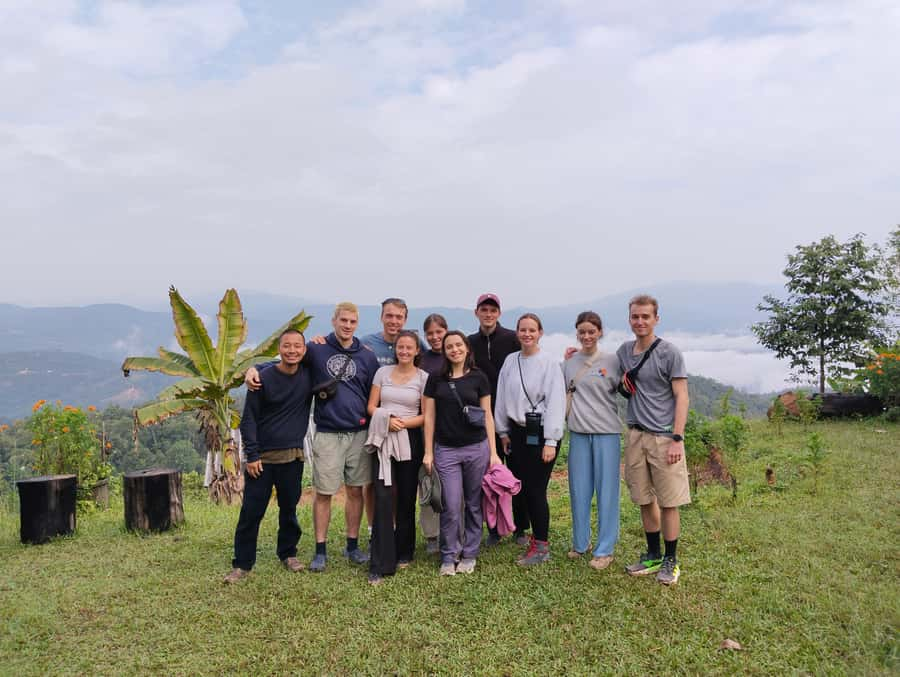
Many Chiang Mai day trips give you a quick temple visit or a short elephant-related activity, then return you to town before dinner. This trip asks for more time, but it gives you a fuller look at the hills around Chiang Mai. You move from major religious sites to forest paths, then from farmland to village life.
That change of pace is the real attraction. Doi Suthep gives you a famous landmark and wide mountain views. Wat Pha Lat gives you shade, quiet, and a more intimate spiritual setting. The trek then shifts the focus from architecture to plants, water, farms, and local communities.
I like this balance because it keeps the two days from feeling like one long hike. You get cultural context before walking, then a chance to see how people live in the uplands. The final bamboo raft ride offers a slow finish instead of one last tiring push through the forest.
The experience is offered in English, with hotel pick-up and drop-off included. Exact timing and group size are not provided, so you should confirm those details before booking if they matter to you.
More Two-Day Treks in Chiang Mai:
- Chiang Mai: 2-Day Jungle Trek with Elephant Farm & Raft Ride
★ 4.7 · 881 reviews - Chiang Mai: 2-Days Jungle Trek, Waterfalls and Karen Village
★ 4.8 · 103 reviews - Chiang Mai 2-Day: Trekking, Tubing & Elephant Observation
★ 4.9 · 95 reviews
Starting with Doi Suthep above Chiang Mai
The first morning begins with a drive up the mountain to Doi Suthep. This is Chiang Mai’s best-known temple, and its high position gives you broad views over the city and surrounding countryside when conditions are clear.
The temple is also a useful introduction to northern Thailand’s Lanna style. You can expect ornate architectural details, a strong sense of worship, and a busy atmosphere compared with the other temple on the itinerary. It is not simply a photo stop. Your guide can help explain why Doi Suthep matters to Chiang Mai and point out details you might otherwise pass without noticing.
The tradeoff is that Doi Suthep is popular. If your ideal temple visit involves silence and empty courtyards, this may not be the calmest stop. Still, including it at the start makes sense. You see the major site first, then move into quieter places as the day progresses.
Wear clothing suitable for a temple visit. Comfortable clothes are recommended, but respectful coverage is also a sensible choice when visiting religious sites.
Finding quiet at Wat Pha Lat
Wat Pha Lat offers a sharp contrast. This forest temple is set in a peaceful natural area, away from the grand scale and heavier foot traffic of Doi Suthep. Its setting is the main pleasure: trees, stone details, and a sense of retreat.
I would give this stop your attention rather than rushing through it. The temple’s appeal comes from the meeting of nature and religious architecture. It feels less like checking off another attraction and more like pausing to notice how sacred places can fit into the forest.
Your guide can help connect the temple to the wider spiritual life of the region. The visit also gives your legs a short break before the countryside portion of the day.
Together, the two temples create a thoughtful opening. Doi Suthep shows you Chiang Mai’s major religious landmark. Wat Pha Lat shows you a quieter side of northern Thai Buddhism.
A market stop and a local lunch
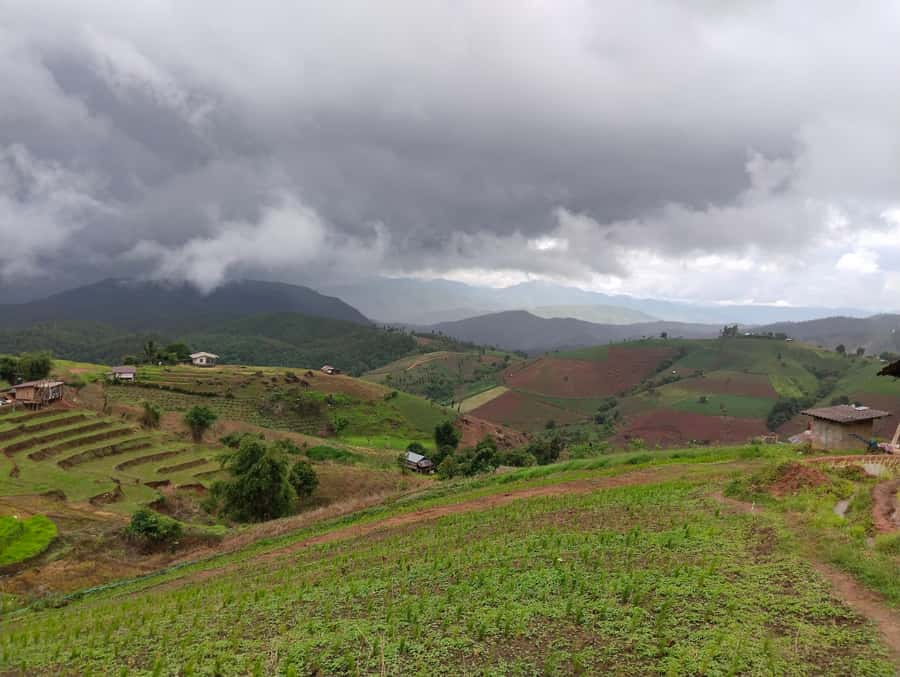
After the temples, the trip heads to a countryside market. This is a practical, everyday stop, not a grand tourist attraction. You get a look at local shopping and can sample a traditional Thai snack before lunch.
Market visits are useful because they show food and daily life in a way a restaurant cannot. Pay attention to seasonal produce, prepared foods, and the pace of the stalls. Your guide can help explain what you are seeing and may make the snack less mysterious.
Lunch is served at a local restaurant and uses fresh, seasonal ingredients. Lunch is included on both days, which matters on a trek. You do not have to spend time searching for food between trail sections, and you can start the afternoon with a proper meal.
The schedule here is part of the charm, but it also means the day contains several different activities. If you prefer a long, uninterrupted wilderness walk, the market and temple visits will make this feel more like a cultural tour with trekking than a pure hiking expedition.
A few more treks around Chiang Mai worth a look
- 3-in-1: Doi Inthanon Tour, Elephant Sanctuary, and Trekking Trail
★ 5.0 · 1,087 reviews - Chiang Mai: Doi Inthanon Trip with Pha Dok Siew Guided Trek
★ 4.6 · 910 reviews - Chiang Mai: Doi Inthanon Park and Pha Dok Siew Trail Trek
★ 4.6 · 752 reviews - Doi Inthanon Private Tour with Trek & Lunch from Chiang Mai
★ 5.0 · 622 reviews
Walking through forest, farms, and waterfalls
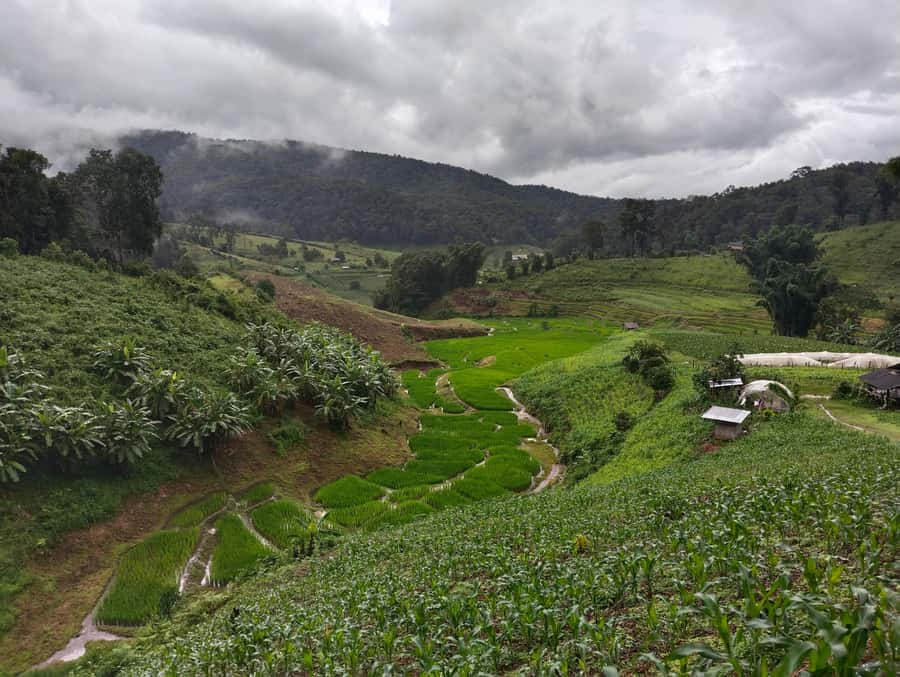
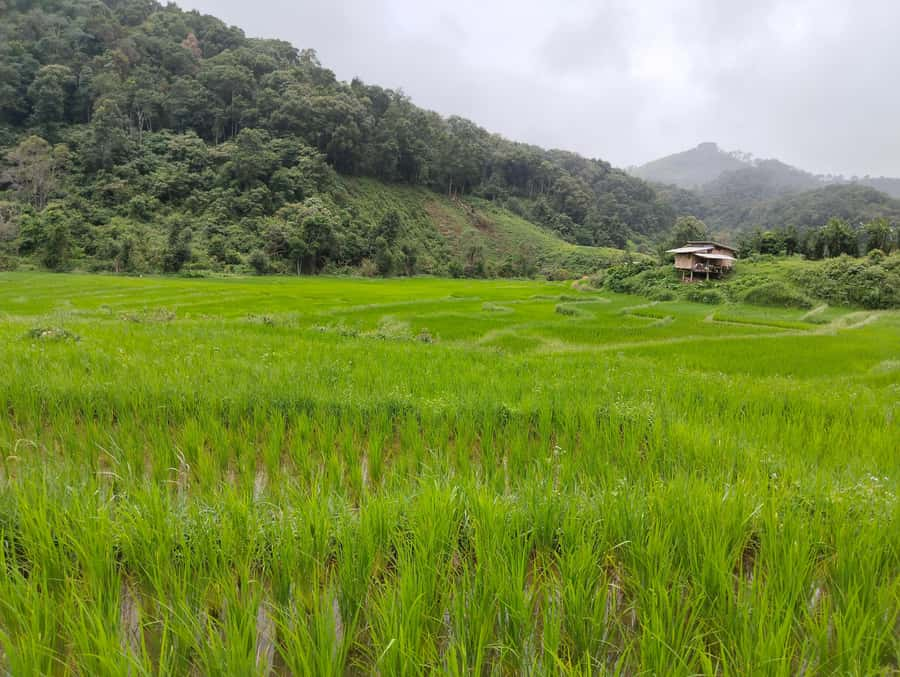
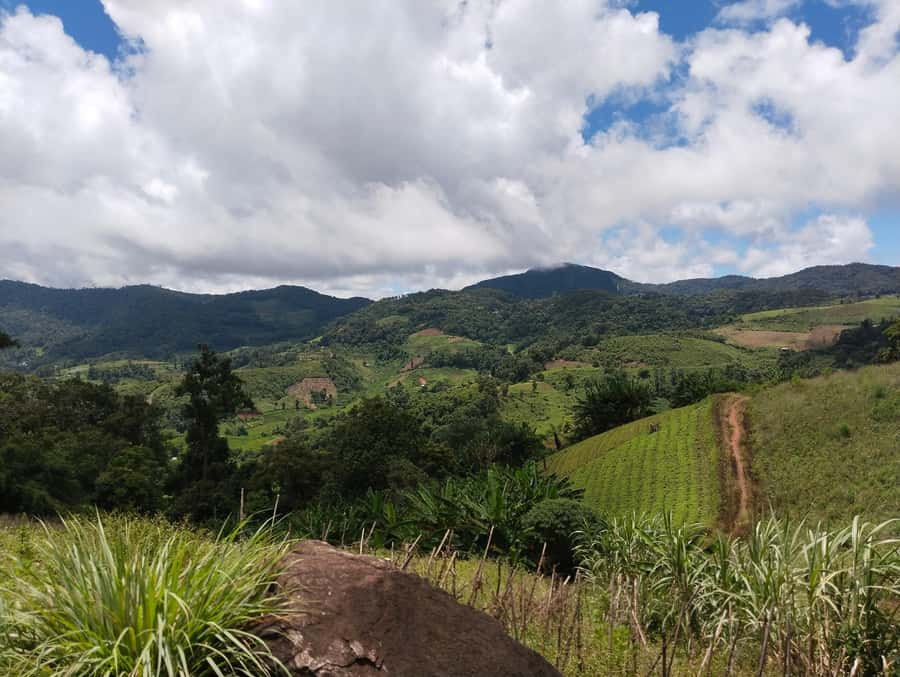
The first main walking section follows forest trails and a riverside route toward a hidden jungle waterfall. You also pass scenic terraced farmland, where the shape of the hills reflects years of local cultivation.
Expect moderate physical activity rather than technical climbing. One useful description is that the trek is manageable for a healthy person but still takes place on mountain paths. That distinction matters. You do not need advanced hiking skills, but you do need steady footing, sensible shoes, and enough energy for uneven ground.
The guide adds value here. The focus is not only on reaching the next stop. You learn about native plants, local ecosystems, sustainable farming, and the way water and agriculture shape village life. Guides Pun and Top have been praised for explaining plants, birds, history, and local nature while keeping the mood light.
The waterfall stops are welcome breaks, especially if you are traveling with children. The walking remains active, but the chance to pause beside water makes the route feel more varied. You might find mud, slippery sections, insects, or wet ground after rain, so do not wear shoes you want to keep spotless.
Pack water and sunscreen even if the trail is shaded. A hat, insect repellent, and comfortable clothing are also specifically useful for this part of the trip.
Spending the night in a Karen hill tribe village
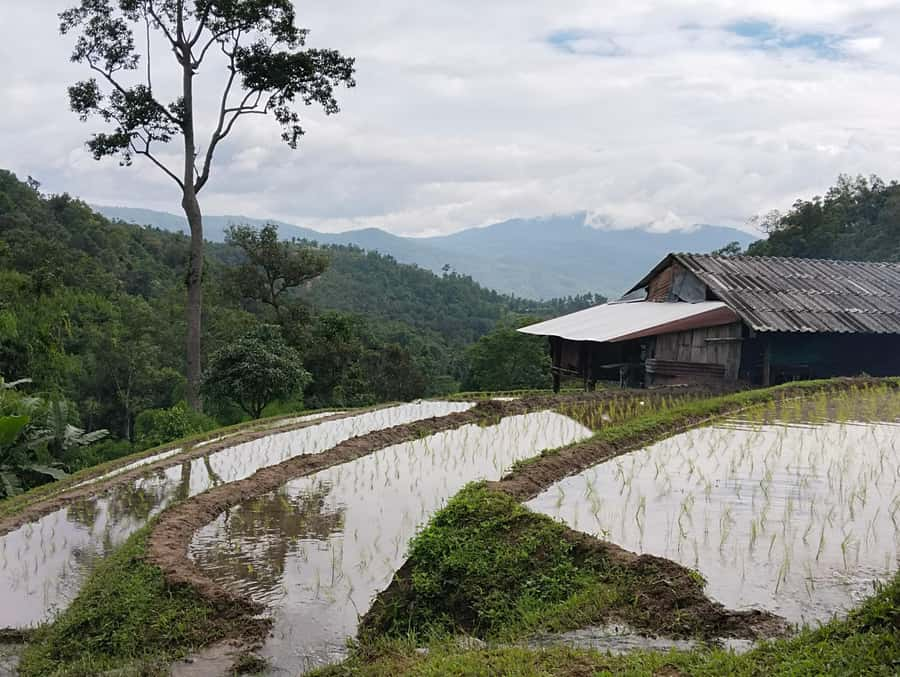
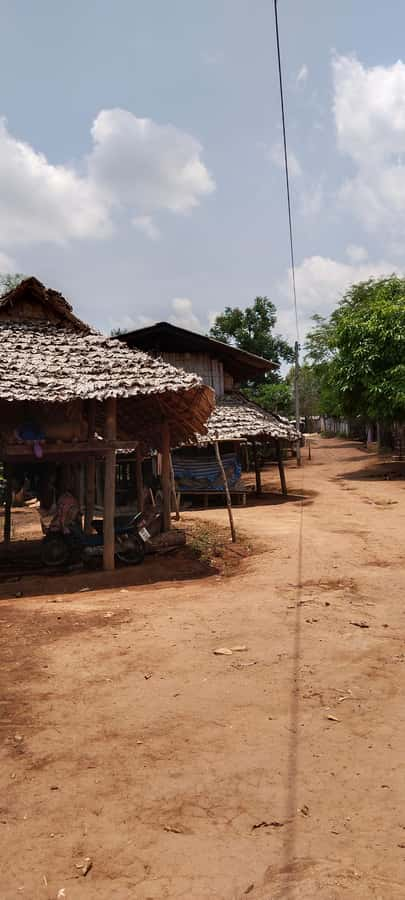
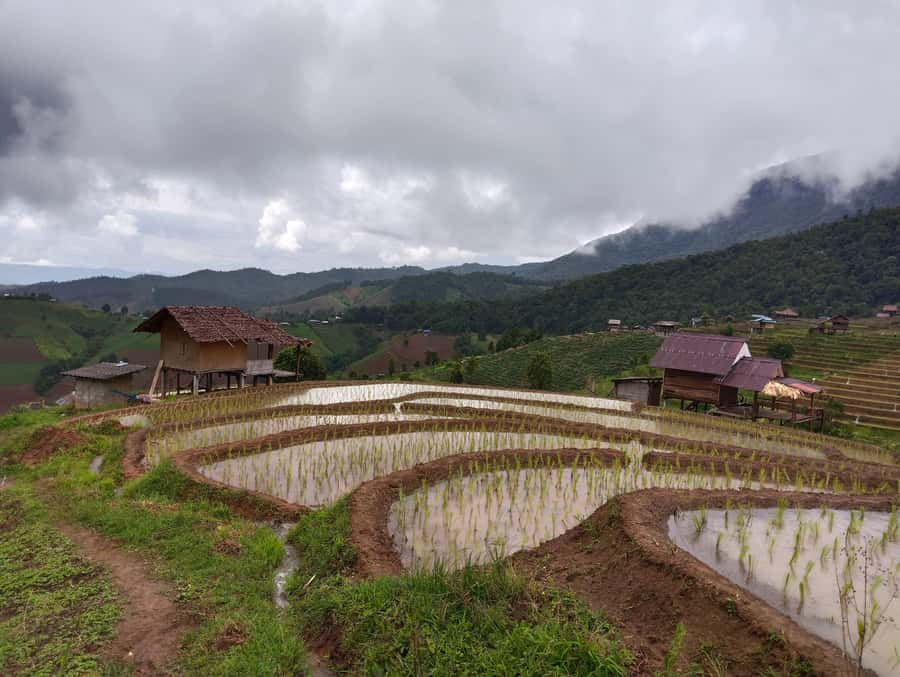
By evening, you arrive at a Karen hill tribe village surrounded by mountains. This is the part of the trip that turns a day hike into a cultural stay. Instead of returning to Chiang Mai, you eat with a host family and sleep in the village.
Dinner is home-cooked, and breakfast the next morning is prepared by the family as well. The food is a major part of the experience. You get to sit down after the walk, eat what the household prepares, and experience a slower evening routine.
Keep your expectations practical. The accommodation is basic, and comfort levels may not match a city hotel. One account describes a separate small house with a bathroom, while the general description makes clear that this is a simple village homestay. A mosquito net is available, but you should still expect plenty of insects in a rural mountain setting.
Bring soap, a towel, toilet paper, and any personal items that help you sleep comfortably. This advice is not fussy. Small supplies make a basic overnight stay much easier.
The homestay also requires cultural respect. You are entering a working community, not a staged hotel attraction. Listen to your guide, follow household customs, and avoid treating the village as a backdrop for photographs. The value comes from the shared meal and the human contact.
Day two: more forest, streams, and herbal knowledge

The second morning starts with homemade breakfast. After eating, you continue through the forest on winding trails, crossing small streams and visiting more waterfalls.
The second day is not simply a repeat of the first. The emphasis shifts toward local herbal medicine and the area’s plant and animal life. This is where a good guide makes the walk more meaningful. A forest can look like a wall of green if you do not know what you are seeing. Explanations about useful plants, medicinal traditions, and biodiversity give the route a clearer purpose.
Families with older children may find the trek manageable, especially because the waterfall stops break up the walking. Still, children should be comfortable on uneven mountain trails, and adults should judge their own fitness honestly. The tour is not described as technically difficult, but it is not suitable for someone who wants to avoid moderate exertion.
Weather can change quickly in the hills. Pack a light layer and clothing that can handle rain or damp conditions. The trip does not promise polished paths or predictable weather, which is part of the appeal and part of the work.
Bamboo rafting through the jungle
After lunch, you trade the trail for a traditional bamboo raft. The raft drifts downriver through quiet jungle scenery, giving your legs a rest while keeping you connected to the natural setting.
This is a gentle activity rather than a white-water thrill ride. You may spot local wildlife along the river, though sightings are not guaranteed. The point is the slow pace: water, trees, and the sound of the river after two days of walking.
I like the order of activities. A more demanding trek early in the trip lets you earn the relaxed finish. By the time you reach the raft, you can stop thinking about the next uphill section and simply watch the scenery pass.
After rafting, you drive back to Chiang Mai. Hotel drop-off is included, so the return is handled as part of the tour rather than left for you to arrange.
What $108 includes, and what it does not
At $108 per person, this trip offers solid value if you plan to use most of what it includes. The price covers hotel pick-up and drop-off, an English-speaking guide, two lunches, the first evening meal, breakfast, trekking, both temple visits, the market stop, the village homestay, and bamboo rafting.
A two-day program with transport and overnight accommodation can quickly cost more when arranged independently. Here, the meals and activities are organized together, and you avoid the trouble of connecting a mountain temple visit, remote trekking area, village stay, and river activity on your own.
The price does not include personal expenses. Bring money for anything extra you may want at the market or along the route. You should also budget attention, not just cash, for the equipment you need: good shoes, water, sun protection, insect repellent, and personal overnight supplies.
The value is strongest for someone who wants variety. If you only want serious hiking, parts of the temple and market schedule may feel like interruptions. If you want a comfortable resort stay, the homestay will feel too basic. For a mix of temples, nature, food, village life, and easygoing adventure, the package is well put together.
Who should book this two-day adventure?
You should consider it if you want to see more than Chiang Mai’s old city and night markets. It suits people who enjoy moderate walking, simple accommodation, local food, and guides who explain what is around them.
It is also a good choice for families with children who can manage mountain paths. Waterfall stops provide natural pauses, and the bamboo raft is an activity that does not require another long climb.
You may want a different tour if you have limited mobility, dislike uneven trails, need hotel-level comfort, or want a fixed schedule with no weather-related uncertainty. The activity level is moderate, but the terrain is still mountainous.
The small review sample gives this experience a perfect 5 rating, with praise focused on the guides, the jungle walking, the food, the village stay, and the chance to learn about local nature. The most useful lesson is practical: the trek is accessible to a healthy person, but the right shoes and sensible packing matter more than athletic ambition.
Final recommendation: book it for variety and local contact
I would recommend the Chiang Mai Amazing Trek if you want a two-day trip that connects major sights with rural life. The strongest parts are the contrast between Doi Suthep and Wat Pha Lat, the forest interpretation from guides such as Pun and Top, the home-cooked meals, and the Karen village overnight.
Book it knowing that the homestay is simple and the trails can be wet or uneven. Bring your own comfort supplies, wear proper footwear, and leave room in your plans for changing mountain weather.
At $108, it is a good choice for an active visitor who wants more than photographs from a van window. You get temples, farms, waterfalls, a village meal, a night in the hills, and a peaceful bamboo raft ride in one well-rounded package.
FAQ
How long is the Chiang Mai Amazing Trek?
The experience lasts two days and includes one overnight stay in a Karen hill tribe village.
What temples are included?
You visit Doi Suthep Temple and Wat Pha Lat, a quieter forest temple.
Is the trek physically difficult?
The trek involves moderate physical activity on mountain trails. It is described as manageable for people in good health, but you should expect uneven paths, small streams, and changing weather.
What meals are included?
Lunch is included on both days. Dinner is provided on the first evening, and breakfast is provided on the second morning.
What is the overnight accommodation like?
You stay in a basic hill tribe village homestay. A mosquito net is available, and one account describes a separate small house with a bathroom. Bring soap, a towel, toilet paper, and other personal comfort items.
What should I bring?
Bring comfortable shoes, a hat, sunscreen, water, comfortable clothing, insect repellent, and a camera. Pack for unpredictable weather.
Recently added around Chiang Mai
- Trek to a Jungle Waterfall★ 5.0 · 14 reviews
- Small Group : Trekking Trip in Chiang Mai (Doi Suthep Area) with Market Tour★ 5.0 · 4 reviews
- Trekking at the Monk Trail and Doi Suthep Temple Private Tour★ 5.0 · 3 reviews
- Fantastic! Famous Doi Inthanon National park tour with 2hr trekking★ 4.5 · 17 reviews
- Private Tour 2 Difference Trails Trekking at Doi Inthanon National Park★ 5.0 · 19 reviews
- 8KM White Water Rafting and 3HRS Jungle Trekking Adventure★ 5.0 · 9 reviews
- One day Doi Inthanon & Trekking at Pha Dok Siew★ 3.5 · 3 reviews
- Half Day Doi Suthep Temple and short trekking on monk trail (Private Tour)★ 5.0 · 3 reviews
Chiang Mai Trekking Tours, compared.

3-in-1: Doi Inthanon Tour, Elephant Sanctuary, and Trekking Trail
Read our review →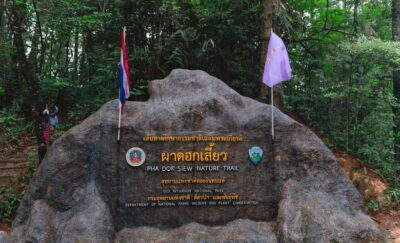
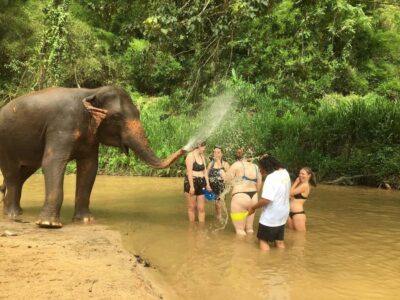
2-Day Jungle Trek with Elephant Farm & Raft Ride
Read our review →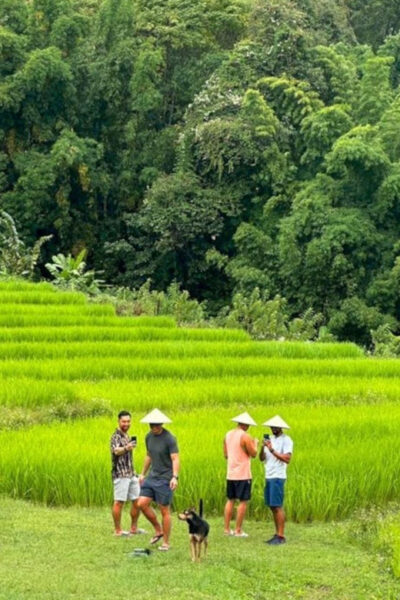
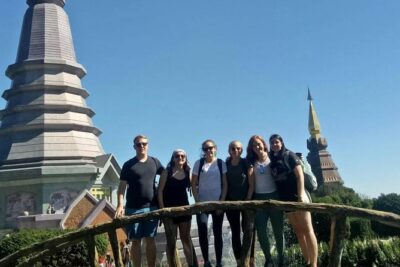
Doi Inthanon Private Tour with Trek & Lunch from Chiang Mai
Read our review →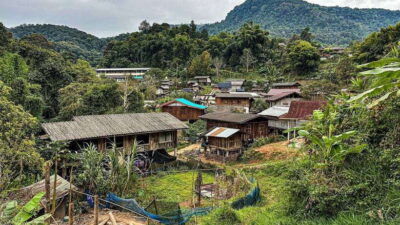
Doi Inthanon National Park and Pha Dok Siew Trek
Read our review →
Gibbons, Trekking & Mae Kampong Small Group Tour
Read our review →
Doi inthanon National Park + 2Hour Fantastic Trekking with Lunch
Read our review →Browse the lists this tour appears in