
REVIEW · KAMPALA
11-Day African Big 5 with Gorilla Trekking Safari in Uganda.
Uganda packs wildlife, forests, and big scenery into one trip. This 11-day private safari combines Big Five game drives with a gorilla trek in Bwindi Impenetrable National Park, plus rhinos, Nile boat trips, tree-climbing lions, and a final shoebill search. I like the strong mix of land and water activities, and I like that the tour includes a gorilla tracking permit, which is one of the largest costs of visiting Uganda. The main drawback is the amount of time spent on the road, especially between northern Uganda, Queen Elizabeth National Park, Bwindi, and Entebbe.
The private format gives you and your group control over the pace, while the itinerary covers several of Uganda’s best-known wildlife areas. Still, this is an active trip with early starts, long drives, and a gorilla trek that can last from 30 minutes to seven hours. You should arrive ready for some dust, rough roads, and a fair bit of patience.
Key points to know before booking
- A gorilla permit is included: This removes one major expense and secures the central experience in Bwindi.
- The route covers three major wildlife areas: Murchison Falls, Queen Elizabeth, and Bwindi each offer a different setting and style of safari.
- Ziwa Rhino Sanctuary adds a conservation stop: You can see rhinos while learning how Uganda began rebuilding its rhino population.
- The private vehicle matters: Only your own group participates, which is useful during long drives and early game drives.
- Fitness is important on Day 9: Gorilla tracking takes place on foot in thick forest and may last most of the day.
- The price includes most core trip costs: At $4,956 per person, the package includes 10 nights, meals listed in the program, transport, activities, park costs, and the gorilla permit.
What the $4,956 price includes
The cost is high, but the included gorilla permit changes the calculation. Gorilla permits are a major part of any Uganda gorilla holiday, and having one included means you are not comparing this price with a package that leaves the central activity as an extra charge.
You also receive private transportation, 10 nights of accommodation, breakfast every day, eight lunches, eight dinners, listed activities, and all fees and taxes. That gives the trip a fairly complete structure. You will still pay for your Uganda visa, international flights, airport departure taxes, drinks, specialty alcohol, personal phone or fax costs, and meals in Kampala or Entebbe beyond breakfast.
The value depends heavily on the accommodation standard and the vehicle used, details that are not specified here. Ask for the lodge names before paying. Also confirm how many people will share the private vehicle. A private safari for two people has a different value from one shared by a larger family group, even if both are technically private tours.
The itinerary does not list a separate dinner on the arrival night or every meal in Entebbe. That is normal for a route that moves around, but you should budget for those meals. The price is easiest to justify if you want a single organized package rather than arranging permits, transport, accommodation, and park activities yourself.
More Gorilla Trekking Safaris in Kampala
- 3 Days gorilla trekking Safari tour in Uganda
★ 5.0 · 121 reviews - 8-Day Murchison Falls, Chimp and Epic Gorilla Trekking Safari
★ 5.0 · 72 reviews - 5-Day Pearl of Africa Chimps and Gorilla Trekking Safari
★ 5.0 · 52 reviews
Day 1: A soft landing in Entebbe
Your trip begins at Entebbe International Airport, where a Uganda Safari Chapter representative meets you and transfers you to your hotel. There is no listed sightseeing on this day, and that is sensible after an international flight.
Use the arrival day to rest, check your luggage, and make sure you have sturdy footwear and weatherproof clothing ready. The tour offers pickup, and the stated meeting point is Entebbe Airport. Airport arrival times are accepted throughout the day and night, but you should still send your flight details in advance.
Day 2: Rhinos at Ziwa before the long drive north
After breakfast, you leave for Murchison Falls National Park, stopping at Ziwa Rhino Sanctuary in Nakasongola. The stop itself is short in the schedule, about 24 minutes, but the full day includes a long northbound road journey.
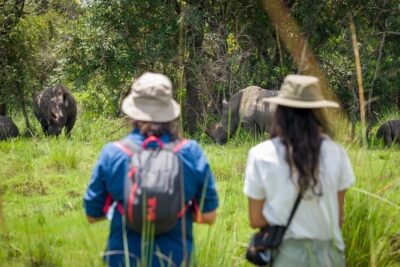
Ziwa has a useful conservation story. Uganda’s rhinos became extinct in the early 1980s after civil unrest and severe poaching. The sanctuary now breeds black and white rhinos with the aim of returning them to protected areas later. This makes the stop more than a quick animal sighting. It shows how wildlife protection can rebuild a population over time.
The practical point is simple: Day 2 is largely a transport day with a valuable wildlife break. If you dislike long drives, this will be one of the tougher parts of the trip. If you see the journey as part of the safari, the changing countryside and the rhino stop make it easier to accept.
Day 3: Murchison Falls game drive and Nile cruise
Murchison Falls gives you your first major game-drive morning. The route crosses open grassland and Borassus palm forest toward Lake Albert, where the Albert Nile continues north toward Sudan.
Early morning is the right time to search for lions, giraffes, hartebeest, buffalo, and elephants. You may also see other mammals, but wildlife is never guaranteed. The park is especially appealing if birds matter to you. The listed species include the secretary bird, black-chested snake eagle, tawny eagle, martial eagle, carmine bee-eater, and swallow-tailed bee-eater.
The afternoon boat trip follows the Nile toward the foot of Murchison Falls. At the falls, the river squeezes through a gap about seven meters wide before dropping roughly 40 meters. The narrow gorge creates the force and noise that make this one of Uganda’s signature sights.
The boat ride also gives you a different view of wildlife. From the water, you can watch animals along the banks without bouncing over rough ground. Bring sun protection and keep your camera ready, but remember that the best viewing position can change as the boat moves.
More Gorilla Trekking Safaris in Uganda
- 3-Day Tour to Uganda – Gorilla Trekking Bwindi Forest
★ 5.0 · 51 reviews - 4-Day Uganda Gorilla Trekking and Wildlife Safari
★ 5.0 · 37 reviews - Private 3 Day Gorilla Trekking Safari in Uganda
★ 5.0 · 36 reviews - 8-Day Murchison Falls, Chimp and Epic Gorilla Trekking
★ 5.0 · 32 reviews
Day 4: Seeing the falls from above, then moving to Hoima
You begin with a visit to the top of Murchison Falls. From there, you can look into the gorge as the Nile is forced through the narrow opening. On a sunny day, the spray may produce a rainbow.
This viewpoint works well after the boat trip because you see the same natural feature from below and above. The falls are not just a photo stop. They explain why the park feels so powerful: a huge river is compressed into a very small channel.
Later, you transfer to Hoima. The program gives this day a full-day structure but does not list a specific activity in Hoima. That makes it another movement day. Pack water and keep a small day bag accessible because your main luggage may not be the most convenient thing to reach during transfers.
Day 5: Kazinga Channel and Queen Elizabeth National Park
The drive to Queen Elizabeth National Park takes about three to four hours. Along the way, you pass volcanic crater lakes and reach one of Uganda’s best bird areas, with about 500 recorded species in the park.
The afternoon boat trip on the Kazinga Channel is one of the trip’s strongest wildlife activities. The channel runs for about 32 kilometers and supports a very high concentration of hippos. You may also see crocodiles, buffalo, and other animals coming to the water.
This cruise is a good counterpoint to the Murchison Falls boat trip. Murchison focuses on the force of the Nile and the falls. Kazinga is calmer and more centered on animals at the water’s edge. Birdlife is another reason to keep binoculars nearby.
The schedule places the boat trip in the late afternoon, so the light may be pleasant for photographs. Boat timing can affect what you see, so ask your guide about the exact departure time when you arrive.
Day 6: A second Queen Elizabeth game drive and the move to Ishasha
After breakfast, you set out for a morning game drive in Queen Elizabeth National Park. This gives you another chance to look for large mammals and birds after seeing the park from the channel.
Lunch is planned at Twin Lakes Safari Lodge, followed by a transfer to Ishasha in the southern sector of the park. The change in base is important because Ishasha has its own character and is known for tree-climbing lions.
This day is not as packed with headline activities as Day 5, but the second game drive gives you more time in the park. Wildlife sightings can be brief or absent on one drive and much better on the next, so an extra morning is useful. The tradeoff is another transfer, which can make the day feel long.
Day 7: Ishasha’s tree-climbing lions
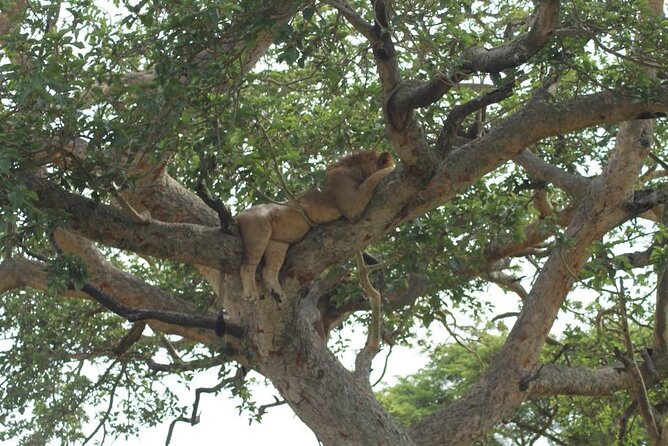
Ishasha is the place to look for lions resting in trees. Seeing them there depends on luck, weather, and what the animals choose to do that day. The tour includes a morning game drive, lunch at the lodge, and another evening drive.
The area also supports buffalo, elephants, antelopes, and other wildlife. A drive toward the Ishasha River may show you the border with the Democratic Republic of the Congo. That border view adds a geographic point of interest, though it should not be treated as a separate Congo excursion.
Two drives in one day improve your chances of seeing something memorable, but you should keep expectations sensible. Tree-climbing lions are a possibility, not a promise. This is one of the tour’s more appealing examples of good planning: Ishasha deserves time, and the schedule gives it a full day instead of rushing through.
Day 8: Through the Kigezi hills to Bwindi
The route to Bwindi takes you through the Kigezi hills, with views toward the volcanic peaks of the Virunga range. After several days of savannah and open water, the forest zone feels like a clear change of pace.
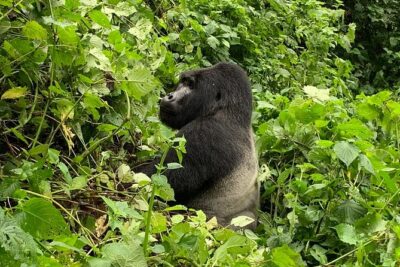
Bwindi is known for its mountain gorillas, but the park also shelters colobus monkeys, chimpanzees, hornbills, turacos, and many other birds. About 350 bird species have been recorded there, making this a strong stop for anyone who carries binoculars.
The gorilla population figures in the supplied information use different counts, including a 2018 estimate of 1,063 mountain gorillas worldwide and a figure of about 340 in Bwindi. Counts change with surveys and boundaries, but the point is clear: this is a rare animal living in a limited range, and responsible tourism helps support the protected area.
You spend two nights in the Bwindi area. That is essential. A single night would make the gorilla trek feel rushed and would leave little room for rest afterward.
Day 9: Gorilla trekking in Bwindi
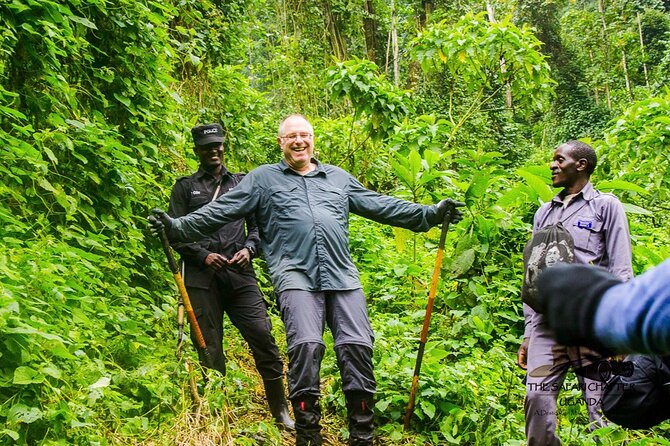
You report to the ranger station before 8 a.m. for registration and a briefing. Guides then lead you into the forest to search for a gorilla family. The walk may take 30 minutes or as long as seven hours.
This is the physical center of the trip. Bwindi is not a zoo, and the gorillas are not waiting beside a road. You move through dense vegetation, thick creepers, and uneven ground. A moderate level of fitness is required, and sturdy walking boots are specifically advised.
The length of the trek depends on where the gorillas are located that day. You should prepare for rain, mud, steep sections, and slow progress. Wear practical clothing, carry only what you need, and follow the ranger’s instructions closely. The experience is valuable partly because it requires effort. Sitting quietly in a rainforest with one of the last mountain gorilla populations is very different from seeing an animal from a safari vehicle.
The permit is included, but the physical challenge remains your responsibility. If you have knee, balance, or stamina concerns, discuss them before booking. The tour states that a moderate fitness level is needed, not that the walk is easy.
Day 10: The long return to Entebbe and the equator stop
After breakfast, you begin the road transfer to Entebbe. The equator crossing is planned as a stop where you can take photographs, browse for souvenirs, and stretch your legs.
The schedule includes demonstrations about water drainage and the Coriolis effect, along with the claim that you are 3 percent lighter at the equator. Treat the stop as a roadside cultural and photo break rather than a major scientific visit. Its real value is that it interrupts a long drive through western and southwestern Uganda.
This is another day when the private vehicle helps. You can ask for a short pause when needed, though the overall route still has to cover a substantial distance.
Day 11: Mabamba Swamp and the shoebill search
The final day includes a trip to Mabamba Swamp for a shoebill tour. The wetland is home to more than 20 bird species and may also offer a sighting of the endangered sitatunga.
The shoebill is the clear target, but no bird sighting is guaranteed. This last activity suits people who enjoy patient wildlife watching and bird photography. It also gives the trip a quieter ending after several days of game drives and long road transfers.
The day is described as a transfer to Entebbe followed by the Mabamba visit. If you are flying out that day, confirm the exact timing of the airport transfer and the shoebill tour. The program does not provide an international flight schedule, so do not assume the final activity will fit around any departure time.
Who will enjoy this safari most?
I would choose this trip if you want Uganda’s main wildlife experiences in one organized route. It suits you especially well if your priorities are:
- Mountain gorillas and a permit already included in the price
- Big Five possibilities across several parks
- Private transportation for your own group
- Boat trips on both the Nile and Kazinga Channel
- Rhinos, tree-climbing lions, birds, and primates
- A guide-led route rather than independent planning
It is less suitable if you want short transfers, a relaxed resort holiday, or guaranteed sightings. The itinerary covers a lot of ground, and several days involve long drives. You also need to accept early mornings and the possibility of a demanding forest trek.
The guide can make a major difference. Darius is named as a guide who has led highly praised Uganda trips and has been described as becoming a real friend to the group. If he is available, you can ask for him when discussing your booking, while recognizing that guide assignments are not guaranteed in the information provided.
Booking details and cancellation terms
Confirmation is provided at booking, and the activity is private, with only your group participating. The tour is near public transportation, but private road transfers are the main way you move between destinations.
Cancellation terms are generous if you act early. You can receive a full refund by canceling at least six full days before the start time. Canceling two to six full days ahead allows a 50 percent refund. Cancellations less than two full days before the start time are not refunded, and changes follow the same timing limits.
Should you book this Uganda safari?
Book it if the gorilla trek is your priority and you also want a broad introduction to Uganda’s wildlife. The included permit, private transport, two major game parks, Murchison Falls, Ishasha, rhinos, and Mabamba Swamp give the trip strong range for 11 days.
Think twice if you dislike long drives or need a precisely timed departure on Day 11. Before paying, confirm the lodge names, vehicle details, group size, guide availability, visa requirements, and the timing of your final airport transfer.
For a first Uganda safari, this is an ambitious but rewarding route. It asks for stamina and flexibility, then pays you back with a rare mix of gorillas, savannah wildlife, powerful rivers, volcanic hills, and wetland birds.
FAQ
Is the gorilla trekking permit included?
Yes. The package includes one gorilla tracking permit per person.
How long can the gorilla trek last?
The trek can take anywhere from 30 minutes to seven hours. A moderate level of fitness and sturdy walking boots are required.
Is this a private tour?
Yes. Only your group participates in the private tour or activity.
What meals are included?
Breakfast is included for all 11 days. The package also includes eight lunches and eight dinners. Meals in Kampala or Entebbe beyond breakfast are not included.
Is airport pickup available?
Yes. Pickup is offered, and the stated starting point is Entebbe International Airport in Entebbe, Uganda.
Is the Uganda visa included?
No. Passport and visa fees are not included. The listed Uganda entry visa cost is $50 per person.
More Safaris in Kampala
- 15-Day Gorilla and chimps Trekking, Big 5 and Nature Sighting Safari
★ 5.0 · 31 reviews - 4 Days Gorilla and Chimps trek safari
★ 5.0 · 20 reviews - 10 Days Uganda Gorilla & Chimpanzee Trekking Safari
★ 5.0 · 20 reviews - 3-Day Gorilla Trekking safari in Bwindi Impenetrable Forest
★ 5.0 · 17 reviews
Recently added around Kampala
- Uganda 4 days Gorilla Trekking★ 5.0 · 3 reviews
- 3 Days Uganda Gorilla trek Safari Tour★ 5.0 · 4 reviews
- Gorilla trekking★ 5.0 · 16 reviews
- 3 days Gorilla Trekking in Bwindi Inpenetrable national Park★ 5.0 · 5 reviews
- Rwenzori Mountains Trekking with Margherita Peak Summit★ 5.0 · 13 reviews
- 1 Day chimpanzee trekking at Ngamba Island★ 5.0 · 3 reviews
- Mountain Rwenzori Trekking Uganda 9 Day Safari★ 4.5 · 3 reviews
- 3 Days Gorilla trekking tour★ 3.5 · 10 reviews
Gorilla Trekking Safaris, compared.
3 Days gorilla trekking Safari tour in Uganda
Read our review →
8-Day Murchison Falls, Chimp and Epic Gorilla Trekking Safari
Read our review →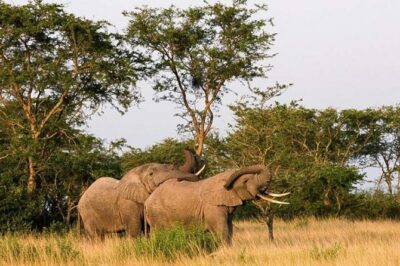
5-Day Pearl of Africa Chimps and Gorilla Trekking Safari
Read our review →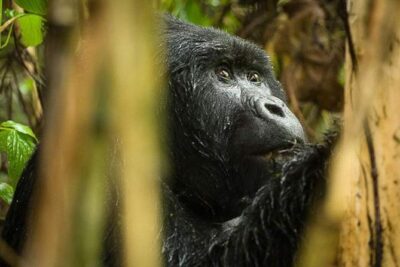
3-Day Tour to Uganda – Gorilla Trekking Bwindi Forest
Read our review →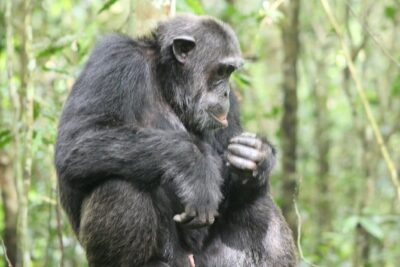
4-Day Uganda Gorilla Trekking and Wildlife Safari
Read our review →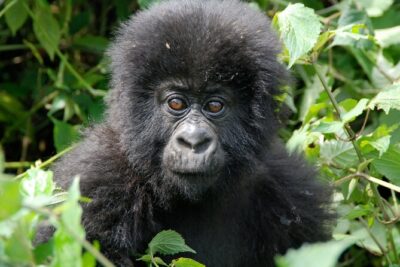
Private 3 Day Gorilla Trekking Safari in Uganda
Read our review →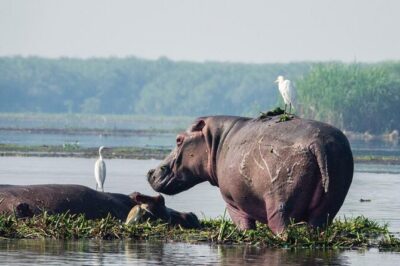
3 Day Gorilla Trek at Bwindi National Park via Kigali
Read our review →Browse the lists this tour appears in