
REVIEW · ADDIS ABABA
3 Days Trekking Simien Mountains Tours
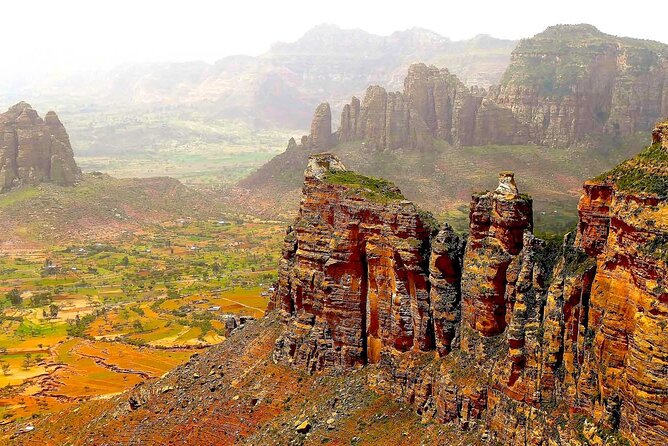
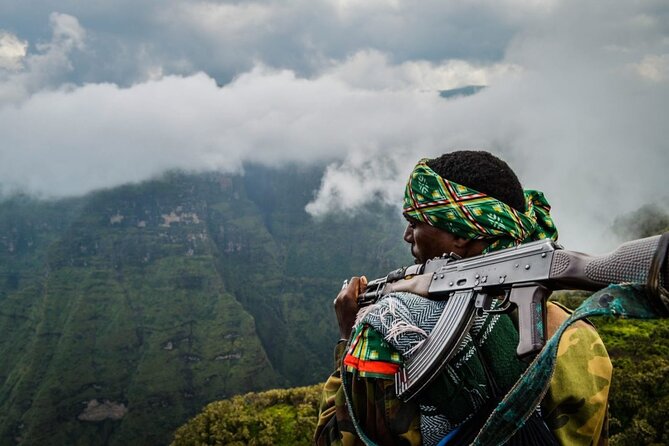
High cliffs, giant lobelia, and wild baboons await. This three-day trek through Simien Mountains National Park gives you a strong taste of northern Ethiopia’s high country without requiring a week on the trail. I like the route for two clear reasons: the scenery changes every day, and the small group limit of six keeps the trip personal. I also like that park permits, meals, transport between trail sections, and an obligatory scout are built into the plan.
The main consideration is the altitude. You sleep at 3,250 meters on the first night and about 3,600 meters on the second, while walking for roughly four to seven hours each day. Good physical fitness is required, and this is not a casual sightseeing outing. The meeting point is Gondar Airport at 8:00 a.m., despite Addis Ababa being shown as the general location, so you need to arrange your wider Ethiopian travel plans carefully.
Key points to know before booking
- The trek begins near Simien Lodge and ends near Ambaras: You walk point to point rather than repeating the same trail.
- Jinbar Waterfall is the major second-day sight: The route descends toward Jinbar Wenz before climbing again to Geech.
- Gelada baboons are a real highlight: Day one offers an early chance to see these distinctive Ethiopian highland animals.
- Geech sits at about 3,600 meters: The camp has giant lobelia and access to Kedadit summit for sunset views.
- The small group has a maximum of six people: That can make the walking pace and guide support easier to manage.
- The $250 price includes basic trek essentials: Park admission, parking, two breakfasts, two lunches, and two dinners are included.
Why the Simien Mountains route is special
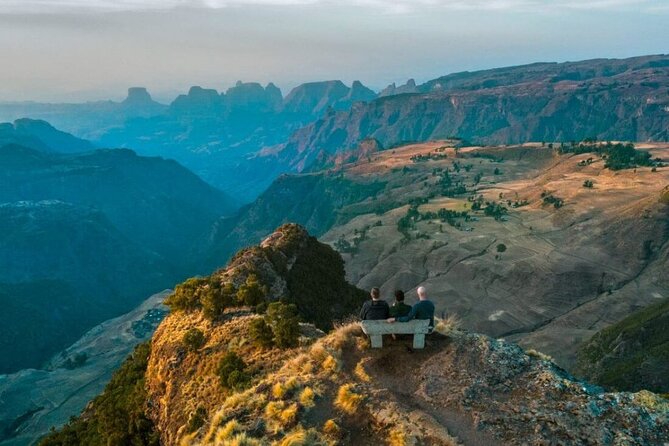
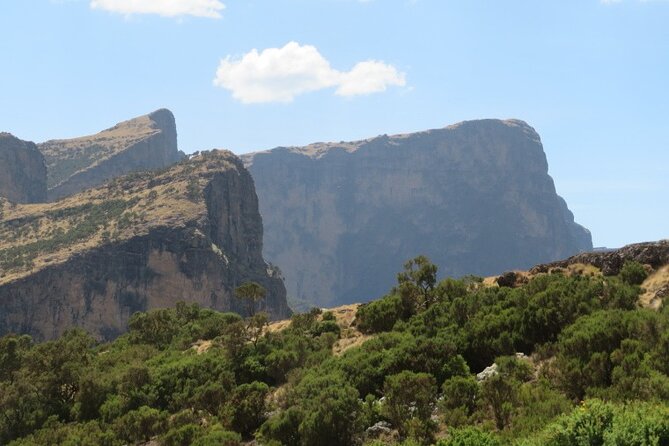
The Simien Mountains are shaped by high ridges and sudden escarpments, with drops of roughly 1,000 to 2,000 meters. The setting feels unusual even before the walking begins. Grassy uplands, isolated Erica trees, and giant lobelia plants give the high plateau a look you will not confuse with an ordinary mountain trail.
The scale is the first thing I would watch for. At altitudes above 3,600 meters, the high country can feel open and exposed, while the escarpments break away sharply below. You are not simply walking through woodland or along a valley. The route repeatedly brings you to broad views, steep edges, and distant ridges.
The wildlife adds another layer. Gelada baboons are one of the best reasons to start walking on day one, and the route toward Imet Gogo is a good place to look for Lammergeier vultures. Sightings are never guaranteed, but the itinerary places you in the right type of terrain for both.
This is also a trip where the park arrangements matter. At Debark, you obtain the park permit and collect the required scout before continuing to Sankabar. That process is part of entering the national park properly, and it means you are not left to manage the protected-area formalities alone.
More Three-Day Treks in Ethiopia:
- Trekking at Bale Mountains 3 Days
★ 5.0 · 28 reviews - 3 Days Bale Mountains Trekking
★ 5.0 · 19 reviews - 2 Nights 3 Days Trek to Semien Mountain
★ 5.0 · 4 reviews
Day one: Gondar, Debark, Buytras, and Sankabar
The day begins at Gondar Airport at 8:00 a.m. From Gondar, the drive to Debark takes about two to three hours. That makes for an early start, but it is necessary if you want enough time for the first walk.
Debark is the practical gateway to the park. Here, the permit is arranged and the obligatory scout joins the group. You then continue toward Buytras, near Simien Lodge, where the walking begins. The trek to Sankabar usually takes about three to four hours, although the full day is listed at roughly five hours once driving and park arrangements are included.
I like this opening because it gets you into the mountains quickly. You are not spending the first day on a long transfer with only a short walk at the end. The route from Buytras to Sankabar gives you a proper first look at the high plateau, and there is a good chance of seeing Gelada baboons along the way.
Geladas are especially fitting for this setting. They are associated with Ethiopia’s high mountain country, so spotting them on the first day gives the trek an immediate sense of place. Keep your attention on the open slopes rather than focusing only on the distant views.
The first camp is at Sankabar, around 3,250 meters above sea level. That altitude is high enough to matter, especially if you have arrived in Ethiopia from a much lower place. Take the first evening slowly. You have two more demanding days ahead, and the best approach is to conserve energy rather than treat day one as a race.
Dinner and breakfast are included, along with lunch for the day. The information provided does not specify tent arrangements or camp equipment, so you should ask the operator what is supplied before departure. That is one of the few practical details I would confirm in advance.
Day two: Jinbar Waterfall and the high camp at Geech
Day two is the longest walking day, taking approximately five to seven hours. The route leads from Sankabar toward Geech and includes Jinbar Waterfall, one of the defining sights of the trip.
The path first descends toward Jinbar Wenz, the watercourse that feeds the waterfall. After reaching the lower section, you climb again toward Geech village. This up-and-down profile matters. The distance alone does not tell the whole story, because the descent is followed by a short but noticeable ascent.
Jinbar Waterfall gives the day a strong visual focus. The route lets you see the watercourse that supplies it, rather than simply stopping at a roadside viewpoint. That makes the walk feel connected to the terrain. You are following the shape of the mountain instead of being delivered to a single photo stop.
Geech is about 3,600 meters above sea level, so the altitude becomes more serious here. You may find the second day tiring even if the hours look manageable on paper. Walk at a steady pace, drink regularly, and allow time to adjust to the thinner air. The tour specifically asks for a strong fitness level, and this is the day that explains why.
The campsite beyond Geech village is surrounded by giant lobelia plants and has wide mountain views. These plants are among the most distinctive features of the Simien highlands. Their tall, unusual forms make the camp feel very different from a normal forest or meadow stop.
If conditions and energy allow, Kedadit summit is a fine place to watch the sun set. The information supplied describes it as one of the best sunset points near camp. You should treat this as an optional reward after a long walk, not as another obligation. At 3,600 meters, resting may be wiser than chasing every view.
The second night includes dinner, and breakfast is included again the following morning. Since the meal plan covers two breakfasts, two lunches, and two dinners, it matches the three-day schedule with the first breakfast likely fitting the morning departure and the final day ending after the included meals. Ask the operator for the exact meal timing if you have dietary needs.
Day three: Imet Gogo and the drive back to Gondar
The final walking day runs from Geech to the Imet Gogo promontory, then back toward the road near Ambaras. The trek itself takes about four to five hours, while the full day is listed at around seven hours because it includes meeting the vehicle and driving back to Gondar.
Imet Gogo is the visual high point of the route. It is described as one of the most spectacular viewpoints in the entire mountain range, and the promontory setting gives you a powerful sense of the escarpments and distant ridges. If you want the trip’s strongest photographs, this is likely the place to have your camera ready.
This section is also a good one for spotting Lammergeier vultures. These large birds are a natural fit for the steep mountain country, where rising air currents help them move along the cliffs. As with Gelada sightings, the animals are not guaranteed, but the route gives you a reasonable chance to look.
From Imet Gogo, you walk back toward the road near Ambaras. The vehicle then takes you back to Gondar. This point-to-point arrangement is useful because you do not need to retrace all three days on foot. It also means the final day combines a scenic walk with a transfer, so you should not expect to finish at midday and have a full free afternoon.
The tour ends back at the meeting point. The published meeting point is Gondar Airport, while the general location is listed as Addis Ababa. Those two details do not match neatly, so I would confirm the pickup and final drop-off arrangements before paying. Pickup is offered, but the exact pickup location should be clarified with Ethio Target Tours.
A few more treks around Ethiopia worth a look
- 4 days semien mountain national park trekking,
★ 5.0 · 11 reviews - 6 Days Bale Mountains Trekking
★ 5.0 · 10 reviews - 5-Day Northern Ethiopia Tour : 3D Simien Mountains Trek & Axum.
★ 5.0 · 9 reviews - Simien Mountains Trekking Adventure
★ 5.0 · 8 reviews
What the $250 price covers
At $250 per person, the tour offers reasonable value if you need an organized route through the park. The price includes parking fees, park admission, two breakfasts, two lunches, and two dinners. It also covers the basic structure of a guided national park trek, including the required scout and transport between the trail sections.
The strongest value comes from convenience. You do not have to arrange the Debark permit process alone, find your own vehicle from Gondar, or work out how to connect Buytras, Sankabar, Geech, and Ambaras. For a three-day trip in a remote mountain area, those details can be worth a lot.
The price does not include tips or personal items. Bring money for anything outside the stated meals and park arrangements. The supplied information does not list equipment rental, drinks, snacks, camping gear, or airport transfers beyond the offered pickup, so ask exactly what is provided.
A maximum of six people is another positive point. A small group can make it easier to walk at a reasonable pace and ask questions. It may also feel less crowded at viewpoints and camp. The trade-off is that the tour’s social atmosphere depends on the other people booked for your dates, and a small group does not guarantee a private departure.
The guides and service team
The company’s service receives especially warm praise, with Solomon frequently identified as helpful in organizing trips. Rebecca is also praised for patience and professionalism during the trekking experience, while Andualem and Tegegn are described as kind and welcoming.
That matters on a mountain trip. A good organizer is useful before departure, but a calm and attentive team is even more important once the route becomes tiring. You want clear instructions at Debark, a steady walking rhythm, and help with the practical parts of camp and transport.
The company is also recommended for group tours, which may suit you if you prefer not to manage every detail yourself. Still, ask who will lead your specific departure. The information names several members of the wider team but does not clearly assign one guide to every trip.
Who should book this trek?
I would recommend this experience to you if you want a compact introduction to the Simien Mountains and are comfortable with long walking days at high altitude. It works particularly well for someone with only three days available after visiting Gondar.
It suits hikers who value scenery, wildlife, and organized transport more than luxury. You should be ready for basic mountain camping, changing weather, and physically demanding climbs. The itinerary includes several major sights, but it does not pretend to be an easy stroll.
I would think twice if you have little recent walking experience or know that altitude affects you badly. The combination of a five to seven-hour second day, a 3,600-meter camp, and a final viewpoint walk demands stamina. The operator requires a strong fitness level for good reason.
The route can also work for photographers and wildlife fans. Gelada baboons, giant lobelia, Jinbar Waterfall, Kedadit sunset views, Lammergeier vultures, and Imet Gogo provide plenty of subjects. Weather will affect what you see, so keep your expectations flexible.
Booking, weather, and cancellation details
Confirmation is provided at booking, and the tour requires good weather. If poor conditions cause cancellation, you are offered another date or a full refund.
You can cancel for a full refund up to 24 hours before the 8:00 a.m. start time. Inside that 24-hour period, the payment is not refunded and changes are not accepted. The cutoff follows local time.
Before booking, I would confirm four points directly with Ethio Target Tours: the exact pickup location, what camping equipment is included, the identity of the guide and scout, and how dietary needs are handled. The published details cover the main route and meals well, but these practical questions can make a big difference in the mountains.
Should you book the Simien Mountains trek?
Book it if you want a well-organized three-day route with major Simien sights packed into a short schedule. The combination of Gelada country, Jinbar Waterfall, a high camp at Geech, giant lobelia, and Imet Gogo gives you a strong introduction to the park for $250.
Skip it if you want gentle walks, low-altitude sleeping, or detailed certainty about every camping arrangement before you leave. The biggest strengths are the scenery, small group size, included park arrangements, and supportive service team. The main risks are the altitude, long walking days, and unclear meeting-point wording.
For a fit hiker with limited time in northern Ethiopia, I think this is a good-value choice. Confirm the logistics, pack for serious mountain conditions, and allow the landscape to set the pace.
FAQ
Where does the trek start?
The stated meeting point is Gondar Airport in Gonder, Ethiopia, with an 8:00 a.m. start.
Where does the trek end?
The activity ends back at the meeting point.
How long is the experience?
The trek lasts approximately three days.
How many people can join the tour?
The maximum group size is six people.
What meals are included?
The tour includes two breakfasts, two lunches, and two dinners.
What fitness level is required?
A strong physical fitness level is required because the route includes several hours of walking at high altitude.
What is the cancellation policy?
You can cancel at least 24 hours before the start time for a full refund. Cancellations or changes made within 24 hours are not accepted, and the payment is not refunded. If poor weather cancels the trek, you are offered another date or a full refund.
Recently added around Ethiopia
- Trekking in Ethiopia’s Lalibela Wollo Highland 4 Days / 3 Nights★ 5.0 · 6 reviews
- Lasta Mountains: Highland Eco Trekking Tour in Lalibela★ 5.0 · 4 reviews
- 3-days Scheduled Lalibela Churches & Abune Yosef Trekking★ 5.0 · 7 reviews
- Lalibela 2-Day Eco Trekking Tour★ 5.0 · 3 reviews
- 4 Days Lalibela Tour with Day Trek to Hudad★ 5.0 · 2 reviews
- Simien Mountains National Park – 7 Day Trek★ 5.0 · 5 reviews
- 3 Days Simien Mountains Trekking★ 5.0 · 3 reviews
- Day trek to Simien Mountain★ 5.0 · 5 reviews
Addis Ababa Trekking Tours, compared.
Northern Ethiopia & Trekking Simien Mountains , 10 Days
Read our review →
One Day Trekking Tours To Mount Zuqualla And Lake Zuqualla
Read our review →Browse the lists this tour appears in