
REVIEW · SRI LANKA
Sri Lanka : Sinharaja Rainforest Guided Trek with Pickup
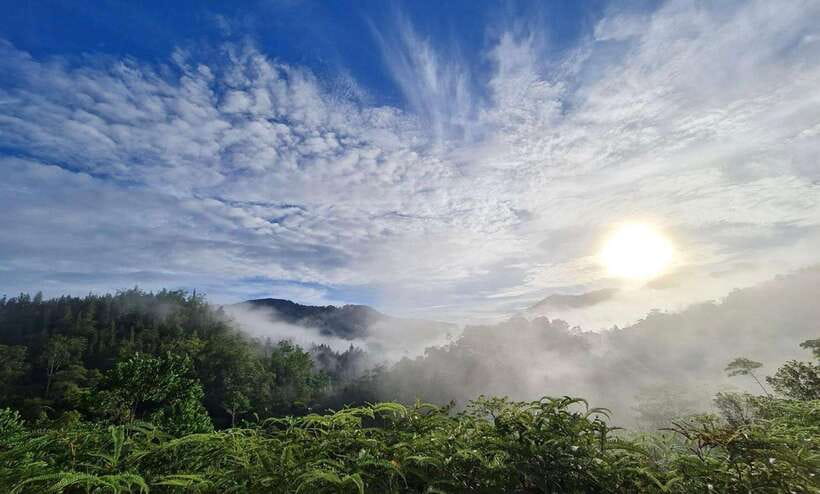
Rainforest wildlife rewards patience. This six-hour Sinharaja excursion takes you into a UNESCO World Heritage Site with a local guide, hotel pickup, forest entry, and plenty of time to search for Sri Lanka’s rare birds and small animals. The main appeal is the chance to see species found nowhere else, including the Sri Lankan Blue Magpie and Purple-faced Langur.
I especially like the small-group format, limited to 10 people, and the practical convenience of round-trip transport from Mirissa and nearby coastal towns. I also like that the guide focuses on much more than birds, with reptiles, frogs, butterflies, insects, and forest plants all part of the walk. The main consideration is the weather and terrain: rain, mud, leeches, and uneven paths are part of the deal, not a surprise add-on.
Guides such as Mahinda and Alagaraja have made a strong impression through their friendly approach and close attention to the forest. Alagaraja has also guided with his daughter Thishani, creating a warm, family-style outing. Bring rain gear, proper shoes, and patience. Sinharaja is a living forest, not a wildlife park with animals waiting beside the path.
Key points before you book
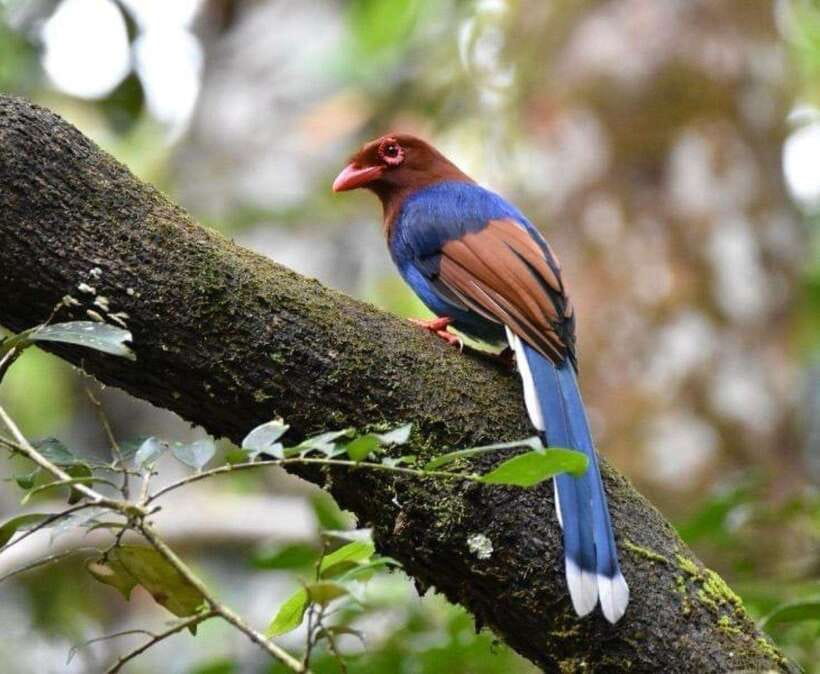
- Sri Lanka’s rare birds are the main prize: Watch for the Sri Lankan Blue Magpie, Red-faced Malkoha, Orange-billed Babbler, Crested Drongo, and Green-billed Coucal.
- The forest walk can last three to six hours: The exact walking time appears to depend on the chosen program and conditions, so ask for the day’s plan when booking.
- Pickup covers much of the south coast: Transport is available from Mirissa, Galle, Bentota, Koggala, Ahangama, Talpe, Weligama, and Unawatuna.
- Leeche protection matters: Blood-leech socks have been provided on some outings, and they are worth using after heavy rain.
- A local guide changes the experience: Guides point out small creatures, plants, calls, and movement that you could easily miss alone.
- The $96 price covers the major costs: You get transport, entry, guiding, bottled water, light snacks, and insurance for the private vehicle. Lunch is optional.
From the south coast to Sinharaja Forest
The day begins with pickup at your hotel. The service covers a wide stretch of the southern coast, although the total timing will depend on where you are staying. Mirissa is the stated pickup base, with Galle, Bentota, Koggala, Ahangama, Talpe, Weligama, and Unawatuna also listed.
You travel in a private air-conditioned vehicle with insurance for the round trip. That matters in Sri Lanka, where a forest visit can involve a fair amount of road time before the walking begins. You are not arranging separate taxis, buying a forest ticket at the entrance, or trying to find the trailhead on your own.
The approach is part of the change in scenery. You leave the coast and head toward the forest, with the day shifting from beach time to wet tropical woodland. One outing included a tuk-tuk ride on the way up into the forest, with the driver and guide explaining the surroundings along the route. That type of local transfer may depend on the final arrangement, so confirm the transport details before setting out.
A six-hour booking does not mean six hours of nonstop walking. The advertised trek lasts three to six hours, while the full experience includes pickup, the drive, breaks, and the return journey. If you want the longest possible walk, ask whether the six-hour trekking option is running on your date.
More Jungle Treks in Sri Lanka:
- Sinharaja Rainforest Trekking Private Day Trip with Local Lunch
★ 4.5 · 8 reviews - Sinharaja Rainforest: Tour with 5 Waterfalls Trek
★ 5.0 · 6 reviews - Chiang Mai: 2-Day Jungle Trek with Elephant Farm & Raft Ride
★ 4.7 · 881 reviews
What the Sinharaja walk is really like
Sinharaja is a rainforest experience built around searching. You walk slowly, stop often, and listen for calls in the canopy. A guide may pause for a bird high above, point to movement in the leaves, or examine a plant and explain its role in the forest.
This is good news if you enjoy the process of finding wildlife. It is less suited to anyone expecting a fast-moving sightseeing trip with guaranteed sightings. Even the most experienced guide cannot order a Sri Lankan Blue Magpie to pose for a photograph.
The trail can be wet. Rain may arrive hard and quickly, and one outing included a particularly strong shower after a rest stop. A rain jacket and spare clothes are practical essentials, not overpacking. Comfortable shoes are required, and shoes with a secure grip are a sensible choice for slippery ground.
You may also encounter leeches, especially after wet weather. Blood-leech socks have been supplied on some excursions, and they were considered necessary during one forest walk. Ask the operator if they provide them, and pack insect repellent even if you are offered protection at the trailhead.
The pace is usually shaped by what the guide finds. That makes the forest feel less like a marked attraction and more like a real search. Your guide may spend several minutes identifying a frog, listening for a bird, or showing you an insect that you would have walked past without noticing.
Birdwatching for rare Sri Lankan species
Birds are one of the strongest reasons to choose this experience. Sinharaja is known for rare and endemic species, and the guide will help you search the canopy, branches, and undergrowth for movement and calls.
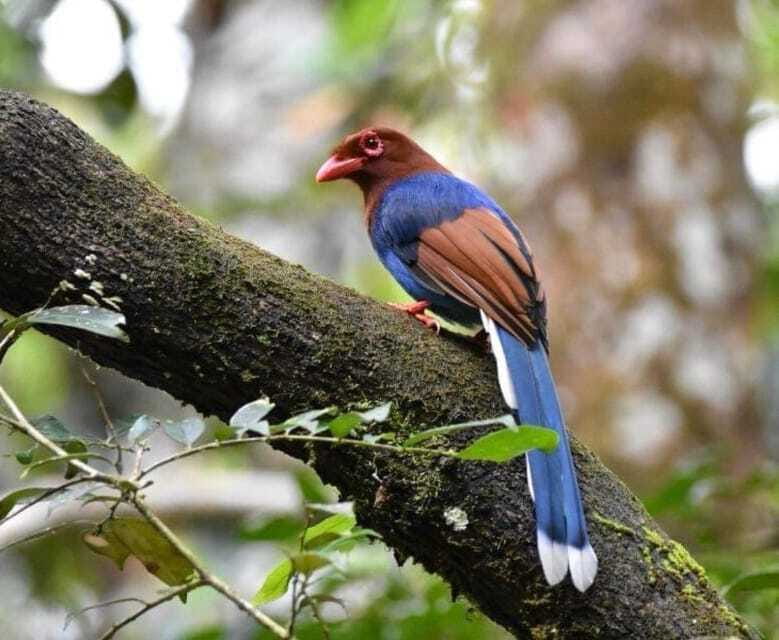
The Sri Lankan Blue Magpie is the star sighting. Its unusual coloring and limited range make it a special find, but it is still a wild bird. You may see it clearly, glimpse it through leaves, or hear activity before you get a good view.
Other possible sightings include the Red-faced Malkoha, Orange-billed Babbler, Crested Drongo, and Green-billed Coucal. These names are useful because they give the walk a clear focus. You are not simply looking at any bird in the trees. You are learning to notice species that are tied closely to Sri Lanka’s forests.
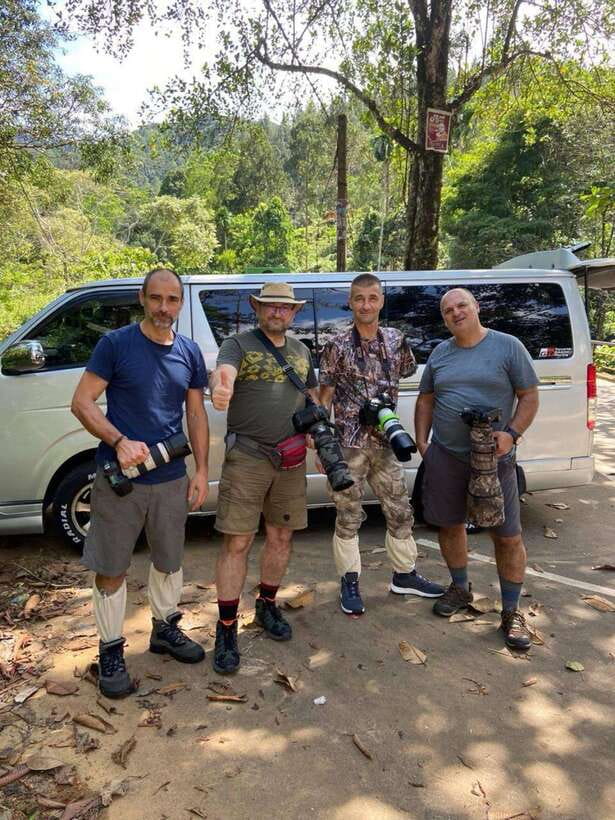
A camera with a zoom lens can help, but do not make photography the only goal. The forest is dim beneath the canopy, birds can move quickly, and some sightings may be distant. I would bring a camera, but I would also expect the guide’s explanation and the act of spotting the animal to be as valuable as a sharp photograph.
The English, Sinhala, and Tamil guide options are helpful for different types of visitors. Confirm your preferred language before the day, especially if detailed explanations about birds and plants are important to you.
Langurs, vipers, frogs, and smaller forest life
The wildlife list extends well beyond birds. Keep watch for Purple-faced Langurs, an endemic monkey species, and giant squirrels. These mammals may be easier to notice than tiny insects, but they still move through a thick forest where visibility changes from one moment to the next.
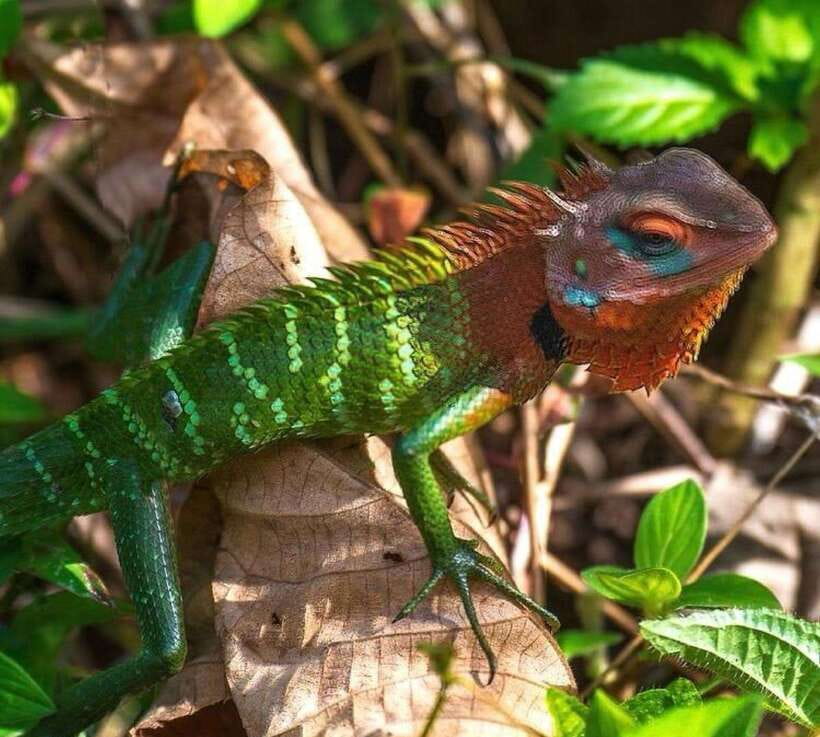
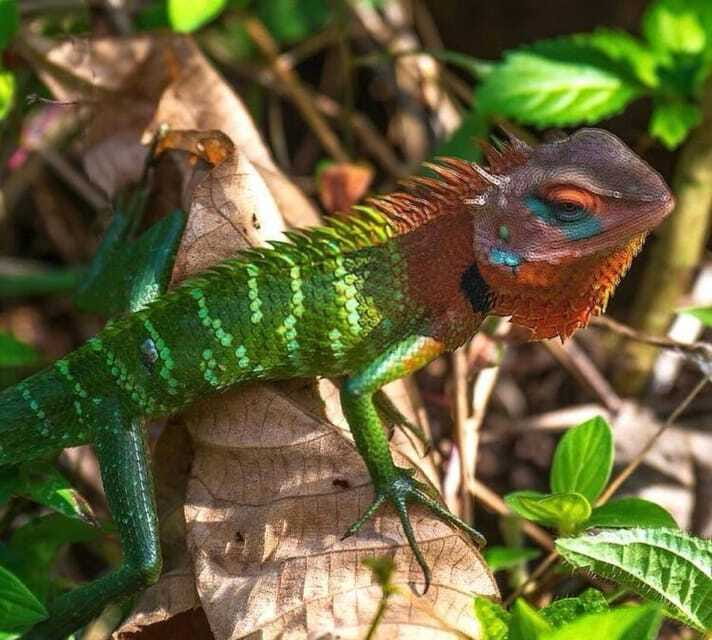
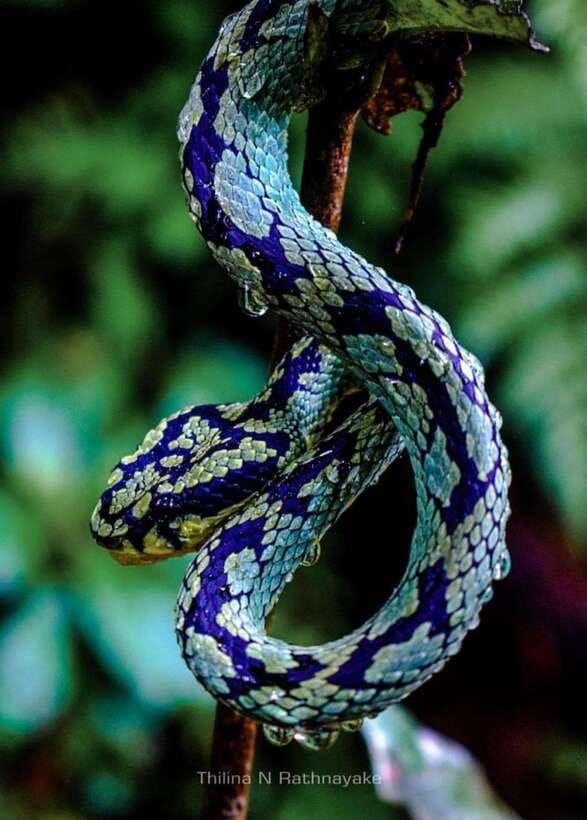
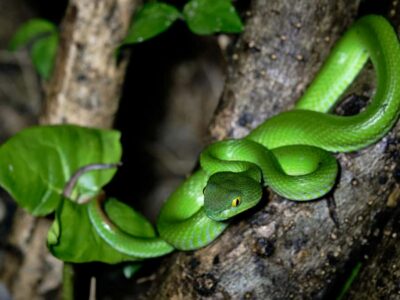
The guide also looks for reptiles, including Green Pit Vipers and Hump-nosed Vipers. This is a reason to stay on the route, watch where you place your hands, and avoid touching plants. You should never assume that a colorful shape is harmless or reach into leaves to get a better photograph.
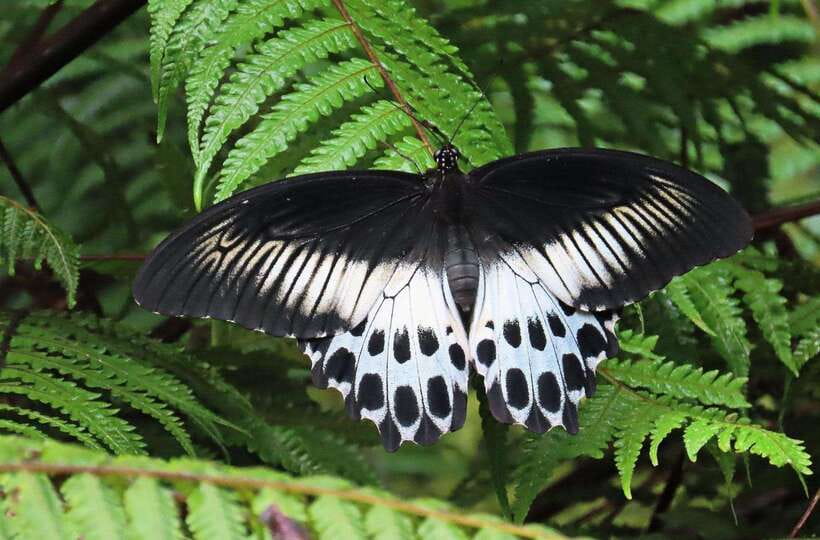
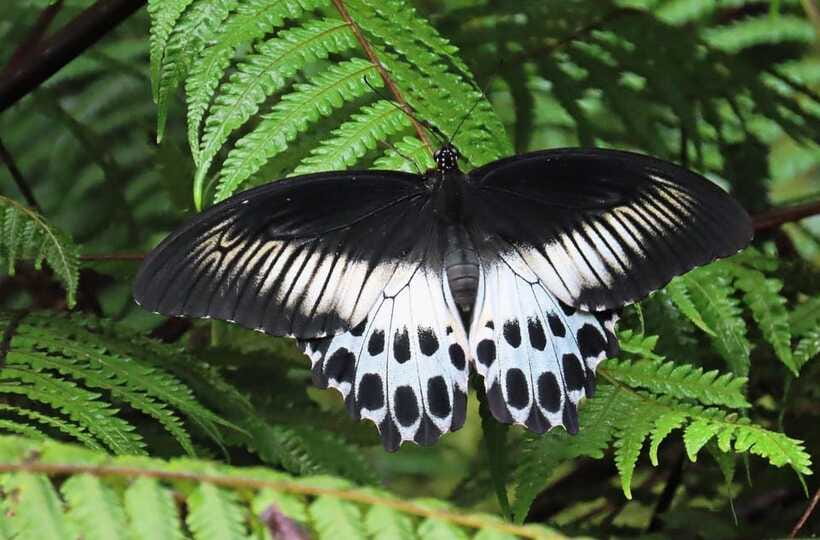
Amphibians add another layer to the walk. Colorful tree frogs may appear in damp vegetation, particularly when conditions are right. Butterflies and insects provide plenty to study between larger sightings. A guide who takes time with these smaller creatures can turn an empty-looking patch of forest into a busy scene.
That variety is one of the best features of the outing. You might not see every headline species, but you can still have an engaging trek by paying attention to the forest floor, wet leaves, tree trunks, and branches overhead. The experience rewards curiosity more than a checklist.
More Guided Treks in Sri Lanka:
- From Kandy: All Inclusive Adams Peak Epic Guided Hike
★ 4.8 · 25 reviews - From Kandy: Adams Peak Guided hike via Peak Wilderness
★ 4.1 · 3 reviews - Bali: Mount Batur Sunrise Trek With Guide and Breakfast
★ 4.8 · 3,461 reviews - From Chania: Full-Day Samaria Gorge Trek Excursion & Guide
★ 4.6 · 3,191 reviews
Local guides make the forest easier to read
The guide is central to the value of this trip. Sinharaja can look like a wall of green if you enter without help. A local guide can identify calls, movement, plants, insects, and tracks that are easy to miss.
Mahinda has led outings described as both fun and informative, with particular praise for his experience and friendly manner. Alagaraja and his daughter Thishani have also guided visitors through the forest, explaining the plants and animals and creating a relaxed, family-style atmosphere. These names are useful when you communicate with the operator, although guide assignment can change.
The best part of this style of guiding is the attention to small details. You may stop for a plant, a frog, or a barely visible reptile rather than rushing toward a famous viewpoint. That approach suits anyone who wants to understand the forest instead of merely passing through it.
A family-prepared lunch has been included on some longer outings, followed by tea with the guide and tuk-tuk driver. Lunch is not included in the standard price, however, and it is listed as an optional add-on. Ask clearly what your package includes before you leave, especially if you expect a full meal rather than bottled water and light snacks.
Is $96 per person good value?
At $96 per person, this is not the cheapest short nature walk in Sri Lanka. The price makes more sense when you count what is bundled into the day: private air-conditioned transport, pickup and drop-off, vehicle insurance, forest entry, a three to six-hour guided trek, bottled water, and light snacks.
For a couple or small group staying on the south coast, the convenience is significant. You do not need to arrange transport to a remote forest area, find an entrance point, or negotiate a guide after arriving. The group limit of 10 keeps the outing smaller than a large bus tour, though the actual group size may vary up to that limit.
The value is strongest if you want a serious forest outing with a guide who can search for endemic wildlife. It is weaker if you only have a short free morning, dislike wet conditions, or would be satisfied with a quick walk close to your hotel.
Lunch costs extra, and dinner is not included. Bring some money or food if you know you will need more than the supplied snacks. Since the trek can be long and the forest is physically demanding, eating beforehand is wise.
What to pack for a wet forest day
Your packing choices can make the difference between a memorable day and a soggy struggle. I would bring:
- Comfortable walking shoes with good grip
- A hat and sunscreen
- Insect repellent
- A camera
- A full change of clothes
- A waterproof rain jacket or poncho
- Extra water, in addition to the supplied bottle
- A small bag for wet clothing
The official advice also asks you to bring water and rain gear. That advice deserves attention. A shower can arrive suddenly, and a damp forest path may remain slippery after the rain has passed.
Do not litter or touch plants. Those rules protect both you and the forest. Avoid grabbing branches, reaching into dense foliage, or stepping off the route without direction from the guide.
Children under nine are not suitable for this activity. It is also not suitable for wheelchair users or people with back problems. The terrain and length of the walk require a reasonable level of mobility.
Who should book this Sinharaja experience?
I would recommend it to you if you enjoy birds, small creatures, photography, and slow walks in wet forest conditions. It is especially useful if you are staying in Mirissa or another listed coastal town and want transport handled from start to finish.
It is also a good fit if you value local interpretation. The guide can help you notice the forest’s less obvious life, from an insect on a leaf to a call coming from the canopy. The small-group limit gives you a better chance to hear explanations and ask questions.
I would think twice if you want dry weather, smooth paths, a guaranteed animal sighting, or a relaxed stroll with little physical effort. Sinharaja is wild and weather-dependent. Leeches, rain, mud, and long periods of searching are part of the experience.
Should you book the Sinharaja trek?
Book it if your idea of a good day includes rare birds, endemic animals, rain-soaked forest, and a guide who takes time to point out the details. The included transport and entry fee make the $96 price easier to justify, especially when you are based on the southern coast.
Before paying, confirm your pickup point, guide language, trek length, lunch arrangements, and whether blood-leech socks are available. Pack spare clothes and rain gear even if the forecast looks friendly. With the right expectations, this is a thoughtful and practical way to visit Sinharaja, not just a quick walk through the trees.
FAQ
How long does the Sinharaja rainforest experience last?
The full activity lasts about six hours. The guided trek itself is advertised as lasting three to six hours, depending on the selected option and schedule.
Where does hotel pickup take place?
Pickup is available from Mirissa, Galle, Bentota, Koggala, Ahangama, Talpe, Weligama, and Unawatuna.
Is transportation included?
Yes. Round-trip pickup and drop-off are included in a private air-conditioned vehicle with insurance.
Is the Sinharaja entrance fee included?
Yes. Entry to Sinharaja Rainforest is included in the activity price.
Which languages can the guide speak?
Guiding is available in English, Sinhala, and Tamil.
What wildlife might I see?
Possible sightings include the Sri Lankan Blue Magpie, Red-faced Malkoha, Orange-billed Babbler, Crested Drongo, Green-billed Coucal, Purple-faced Langur, giant squirrels, Green Pit Vipers, Hump-nosed Vipers, tree frogs, butterflies, and forest insects.
Is lunch included?
Lunch is not included in the standard experience. An optional lunch add-on is available, while bottled water and light snacks are included.
What should I bring?
Bring comfortable shoes, a hat, camera, sunscreen, water, rain gear, and insect repellent. Spare clothes are also useful because heavy rain can occur.
Is the trek suitable for children or people with mobility concerns?
The activity is not suitable for children under nine, wheelchair users, or people with back problems.
Recently added around Sri Lanka
- Waterfall Trekking in Knuckles Mountain Range★ 5.0 · 2 reviews
- Pekoe Trail Stage 1- Scenic Trek from Hanthana to Galaha★ 5.0 · 3 reviews
- Knuckles Mountain Range: Hidden Waterfall Chain Trek★ 5.0 · 2 reviews
- Overnight Adventure Trekking in Knuckles★ 5.0 · 5 reviews
- Knuckles Mountain Range Hiking and Trekking Day Tour From Kandy Hotels★ 5.0 · 5 reviews
- Trek to Little Adam’s Peak and Nine Arches Bridge In Ella★ 5.0 · 8 reviews
- Sinharaja Rainforest Trekking Private Day Trip with Local Lunch★ 4.5 · 8 reviews
- Sinharaja Rainforest: Tour with 5 Waterfalls Trek★ 5.0 · 6 reviews
Jungle Treks, compared.
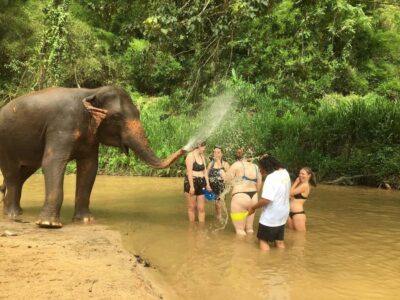
2-Day Jungle Trek with Elephant Farm & Raft Ride
Read our review →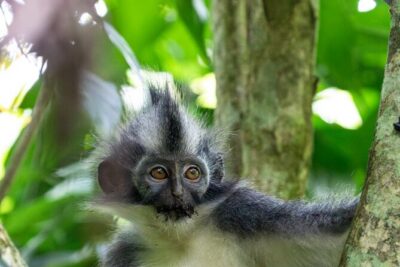
3-Day Ethical Orangutan Jungle Trek | Bukit Lawang, Sumatra
Read our review →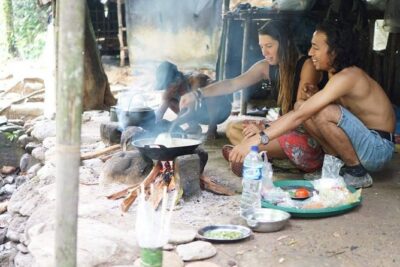
Monkey Business 3 days – 2 nights Jungle trekking (including rafting)
Read our review →
Big Buddha Jungle Trekking and Temple tour with Lunch
Read our review →
Jungle Adventure-Group Trekking & Bamboo Cooking
Read our review →
Browse the lists this tour appears in