
REVIEW · HANOI
Sapa: 3-Day, 3-Night Trek and Hotel with Overnight Train
Sapa rewards sturdy shoes and an open mind. This three-day, three-night trip combines an overnight train, hill-village walks, and a night with a Zay family in Ta Van. I especially like the chance to see daily life beyond Sapa town, and the friendly local guides, including Chu, Mai, Su Su, and Ai, add real warmth to the walks. The main drawback is the long, bumpy train ride and the persistent selling along the trails.
The Muong Hoa Valley trek gives you rice terraces, bamboo forest, waterfalls, and villages linked to the Hmong, Zay, and Red Zao communities. I also like the useful structure: transport, meals, one hotel night, and one homestay are arranged for you. Still, the 9-kilometer walking days can be demanding, and Sapa weather may turn foggy, cold, or wet without warning.
Key points to know before booking
- The overnight train saves a hotel night: You travel from Hanoi to Lao Cai in a shared four-bed air-conditioned cabin.
- Ta Van is the cultural heart of the trip: You spend one night at a homestay with the Zay community.
- The walking is real trekking: Expect roughly 9 kilometers on the main trek, with uneven paths and demanding sections.
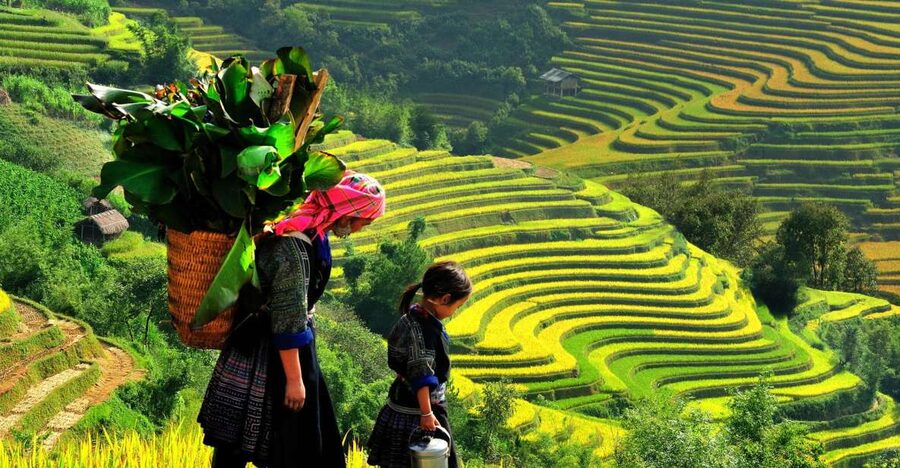
- The best village scenes come with a trade-off: Local women and children may follow you or press you to buy handicrafts.
- The tour covers the costly basics: Hotel, homestay, train, meals, guide, station transfers, and the return limousine are included.
- Weather changes the experience: Warm layers, trekking shoes, sun cream, insect repellent, and cash in Vietnamese dong matter.
Why this Sapa trip works
At $212 per person, this package is aimed at people who want Sapa arranged in one neat bundle. You get the Hanoi to Lao Cai train, transfers to Sapa, three nights of accommodation, meals listed in the schedule, a guide, and the return ride to Hanoi.
That price can be good value if you would otherwise book each part separately. It also removes the usual Hanoi travel puzzle: getting to the station, finding your Lao Cai transfer, arranging a Sapa hotel, and working out how to return after the trek.
The strongest feature is the mix of transport and walking. The train gives you a classic northern Vietnam journey, while the trek gets you away from the town center and into the Muong Hoa Valley. You are not just looking at mountain views from a hotel balcony. You are walking between villages, terraced fields, forest paths, and small rural homes.
The package is less appealing if you want a private room every night or a slow, flexible visit. The train cabin is shared, the Sapa hotel is a three-star property, and the homestay is a simple local stay rather than a polished resort. A solo visitor should also expect a single supplement for two nights, including the Sapa hotel and private bungalow arrangement.
The overall rating is 4.2 from 64 ratings, with especially strong praise for the guides, food, organization, homestay, and small walking groups. That balance tells me this is a solid practical tour, but not a luxury escape.
A few more treks around Hanoi worth a look
- Sa Pa Trekking 2 Days 3 Nights Homestay by Night Train
★ 4.5 · 11 reviews - Trekking Sapa – Bac Ha Market: Sleep on Train & Homestay
★ 4.5 · 7 reviews - Sapa Trekking Tour by Night Train from Hanoi 3 Nights – 2 days
★ 5.0 · 7 reviews
Hanoi to Lao Cai by overnight train
Your trip begins in Hanoi. You either meet the staff at Hanoi Railway Station by about 9 PM or arrange pickup from your Old Quarter hotel, depending on the option you book. The train leaves around 10 PM, and you sleep in a shared four-bed air-conditioned cabin.
The train is part of the experience, not just a transfer. The berths are described as soft and bed-like, but expect noise, movement, and a basic toilet. One practical annoyance is that you may not get to choose a top or bottom bunk. If climbing into a top berth is difficult, ask about this when booking.
Pack a small overnight bag with warm clothing, water, medicine, and anything you need during the night. Keep larger luggage organized, since the next morning moves quickly from Lao Cai station to Sapa.
You arrive in Lao Cai early, meet the local guide, and take a shared minibus to Sapa at about 6 AM. This early start helps you reach the mountains quickly, but it also means the first day can feel long after a night on the rails.
Day 1: Sin Chai and the first look at Hmong life

After arriving in Sapa, you leave your luggage at the hotel and eat breakfast. Standard room check-in is at 2 PM, so your room may not be ready right away. Early check-in is an extra option, which is worth considering if you know you will need a shower and proper rest after the train.
The first walk heads southwest from Sapa to Sin Chai Village, about 2 kilometers from the town center. This is home to the Black Hmong, and the village is described as simple and rural, with a way of life that feels less polished than central Sapa.
Sin Chai works well as an introduction because you are not thrown straight into the longest walk. You can begin seeing how homes, paths, clothing, and mountain farming fit together. The village visit also gives your guide room to explain local customs and the lives of Vietnam’s ethnic minority groups.
After the trek, you return to the hotel for lunch and free time. Use that pause wisely. You can rest, walk around Sapa, or simply dry your shoes and clothes if the weather has turned damp.
Dinner is around 6 PM. The evening is free, so you might explore town and try roasted corn or baked eggs cooked beside a charcoal fire. This is a small detail, but it adds local flavor without requiring another organized activity.
You sleep at a three-star hotel in central Sapa. The location is useful for an evening walk and makes the first night more comfortable than the homestay night that follows.
Day 2: The Muong Hoa Valley trek to Ta Van
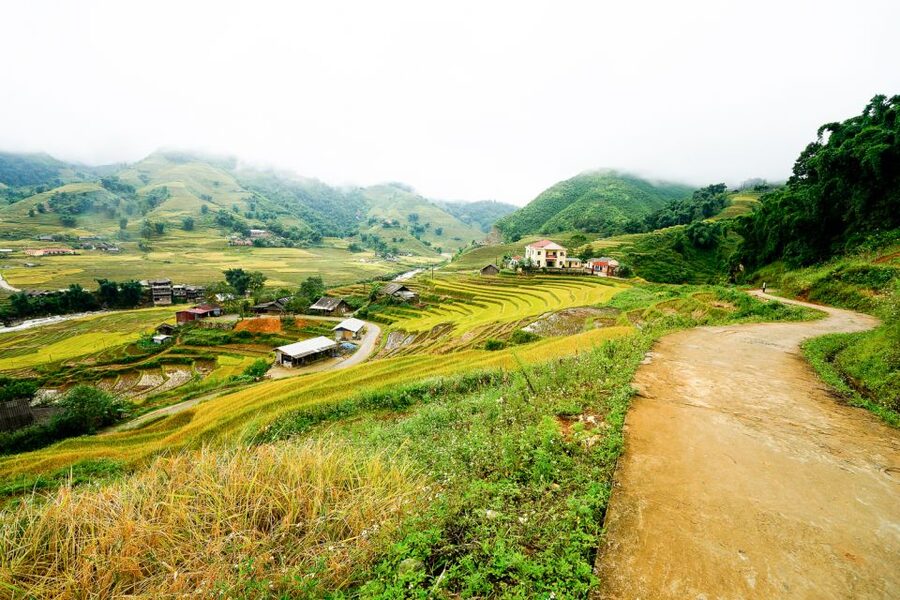
Day two is the main walking day. After breakfast, you follow the side of the Muong Hoa Valley toward Y Linh Ho, a village associated with the Black Hmong. The route then continues to Lao Chai, another Hmong village.
This section is where the trip earns its keep. You get a close view of terraced rice fields and village life rather than a quick roadside stop. In May, the fields may be at the planting stage, giving you the chance to see how rice cultivation begins. In other months, the color and condition of the terraces will change with the season.
The walking can be demanding. The route is not presented as suitable for older people, young children, wheelchair users, or anyone with mobility limitations. Rain makes the paths harder, and fog can reduce the views in December, January, February, and March.
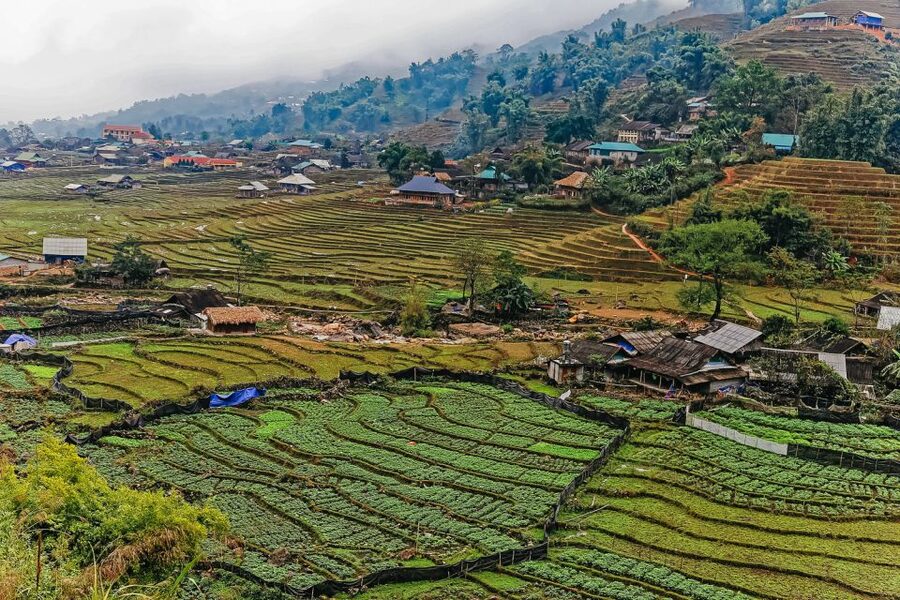
Lunch breaks up the day before you continue through the rice terraces to Ta Van Village. Ta Van is associated with the Zay people and is the most important overnight stop on the tour. You stay at a local homestay rather than returning to Sapa.
The homestay is the part I would value most if your goal is contact with local life. It gives you more time in the village and avoids reducing the community to a quick photograph. The accommodation is reported as clean and welcoming, but you should still expect a simpler setting than the hotel.
Meals are included as scheduled, though drinks are not. Bring cash for water, soft drinks, or personal purchases. The banking system in Sapa can be unreliable, so Vietnamese dong is the safest choice. US dollars, euros, and Australian dollars are also accepted in Sapa, but local currency is more practical for small payments.
Same trailhead, a longer or shorter day out:
- Hanoi – Sapa 2 Days 1 Night Overnight At Homestay
★ 5.0 · 899 reviews - From Hanoi: 2-Day Sapa Trekking Trip with Homestay & Meals
★ 4.8 · 704 reviews - Sapa 3 Days 2 Nights Trekking Tour (1 Night In Ta Van Village, 1 Night In Hotel)
★ 5.0 · 699 reviews - 3-Day Trekking Adventure of Sapa from Hanoi – Stay Ta Van Village
★ 5.0 · 611 reviews
Day 3: Waterfalls, bamboo forest, and the return to Sapa
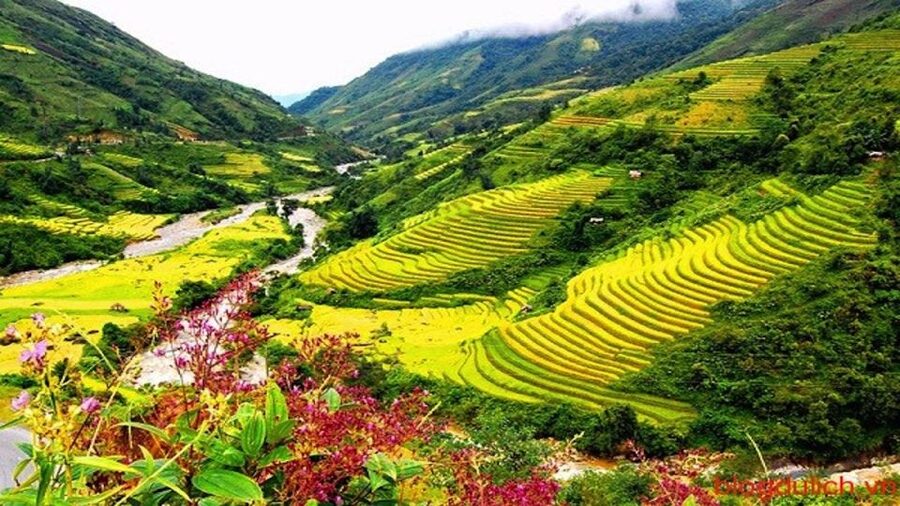
After breakfast in Ta Van, the route continues toward Giang Ta Chai and Su Pan. These villages connect you with Red Dzao and Hmong communities and provide a different setting from the previous day’s rice-field walk.
The route includes a waterfall, a rattan bridge, and views through bamboo forest. These stops give the final trek some variety. You are not simply retracing the same path, and the changing terrain helps keep the day interesting.
At some point, you reach the main road and take a vehicle back to Sapa. This is a useful break after several hours on foot. Around 2 PM, you collect your belongings and prepare for the return to Hanoi.
The trip back is by limousine vehicle, with arrival in Hanoi expected around 8 to 9 PM. The vehicle is described as comfortable, and hotel drop-off in the Old Quarter is included in the main details. Since the meeting and return arrangements can vary by booking option, confirm the exact drop-off point before you leave Sapa. One account of the experience reported arriving without a hotel transfer, so do not leave this detail to chance.
Meeting Hmong, Zay, and Red Dzao communities
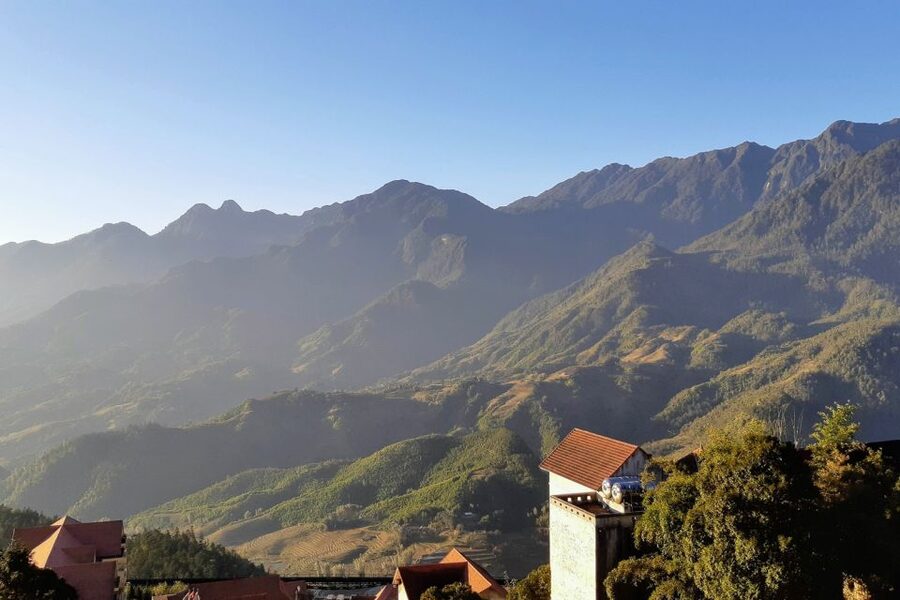
The cultural value of the trip comes from movement between several communities rather than from one staged performance. Sin Chai introduces you to Black Hmong life. Y Linh Ho and Lao Chai add more Hmong villages. Ta Van brings the Zay homestay, while Giang Ta Chai and Su Pan add Red Dzao and further Hmong contact.
You also visit a local handicraft center where women gather to exchange skills. This gives you a useful window into textile work and the social side of making traditional goods.
The experience is not free from tourism pressure. Women and children may approach you along the route, at stops, or during lunch to sell handicrafts, sometimes at high prices. The tour company specifically advises you to stay with your guide and ignore persistent sales attempts.
You can handle this with patience and courtesy. A firm no, thank you is enough, and buying something should be your choice, not a response to pressure. Some people find these encounters frustrating, while others enjoy talking with local sellers. The important point is to set a budget before you start and avoid blaming your guide for a problem that affects much of Sapa.
Guides, meals, and the pace of the group
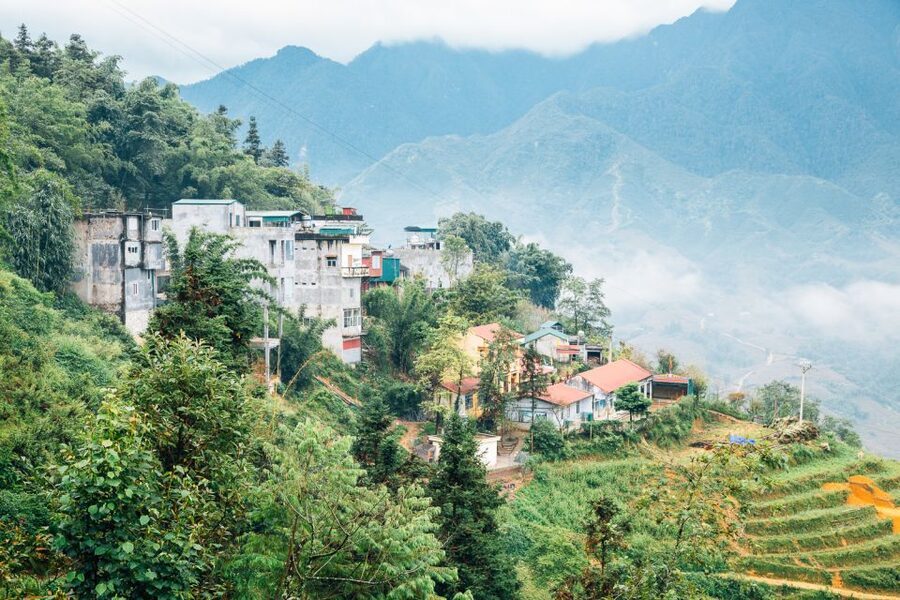
The guides are a major strength. Guides named Su Su and Ai are praised for being friendly and good company, while Chu is described as warm and well informed about the area. Mai is also singled out for allowing plenty of time for photographs and stopping when needed.
That flexibility matters. A mountain walk should not feel like a race between checkpoints. You will want time to look at the fields, watch village activity, speak with your guide, and take photographs.
The organization can be less smooth for a solo participant. If you are the only person beginning on your date, you may meet different groups and guides on different days. Make sure you understand where to meet each morning, especially after the homestay.
Meals included in the schedule are another practical advantage. Food is repeatedly praised, but drinks cost extra. Bring medicine you may need, since the schedule is active and mountain weather can make small health problems more difficult to manage.
Weather, clothing, and physical effort

Sapa is higher and cooler than Hanoi. From September to March, cold conditions are normal, and winter months can bring fog. Pack a scarf, hat or cap, warm layers, and a waterproof outer layer if possible.
Good trekking shoes are essential. Comfortable city trainers may not give enough grip on wet or uneven ground. Add sunglasses, sun cream, and insect repellent, since the weather can shift from cool and cloudy to bright and warm.
The main trek is about 9 kilometers, but the distance alone does not tell the whole story. Uneven paths, slopes, rain, and the length of the day can make it feel much harder. You should be comfortable walking for several hours and managing without easy access to a vehicle during the middle sections.
The tour is not suitable for people with mobility impairments or wheelchair users. It is also not recommended for older children or young children because of the trek’s demands.
Is $212 good value?

For someone who wants an organized trip from Hanoi, $212 covers a lot. The package includes the overnight train cabin, Lao Cai to Sapa transport, one hotel night, one homestay night, the return limousine, a guide, sightseeing fees, taxes, service charges, and the listed meals.
You still need to pay for drinks, snacks, personal shopping, and any early hotel check-in. A solo traveler should also add the stated single supplement. The shared train cabin and group transport keep the price reasonable, but they limit your control over space and timing.
I see the best value here for a first visit to Sapa. You get the classic train journey and the major valley villages without having to arrange a complicated chain of bookings. If you already have accommodation in Sapa or prefer to choose your own guide, you may find a shorter custom trip more flexible.
Should you book this Sapa trek?
Book it if you want a well-organized introduction to Sapa, can handle a 9-kilometer mountain trek, and like the idea of combining a hotel with a genuine village homestay. The guides, meals, village access, and transport make this a strong choice for a first northern Vietnam trip.
Skip it if you need private accommodation, dislike overnight trains, have limited mobility, or want complete control over your route. Also think carefully about the selling along the trails. It is part of the Sapa experience, but it can test your patience.
For the best chance of enjoying it, pack light, carry warm layers, bring Vietnamese dong, keep your expectations simple, and confirm your Hanoi return transfer and train berth arrangements before departure.
FAQ
How long does the experience last?
It lasts about three to three and a half days, beginning with an overnight train from Hanoi and ending with the return to Hanoi by limousine vehicle.
Where does the overnight train leave from?
The train leaves from Hanoi Railway Station at about 10 PM. You should meet the staff around 9 PM, or arrange optional pickup from a hotel in Hanoi’s Old Quarter.
What type of train accommodation is included?
You receive one night in a shared four-bed, air-conditioned cabin. The berth may be a top or bottom bunk, and the choice is not guaranteed.
Where do you stay in Sapa?
You spend one night in a three-star hotel in central Sapa and one night at a homestay in Ta Van Village. Standard hotel check-in is at 2 PM.
How difficult is the trekking?
The main trek is about 9 kilometers and can be demanding, especially in rain or on uneven paths. It is not recommended for older guests or children and is not suitable for people with mobility impairments or wheelchair users.
What meals are included?
Breakfast, lunch, and dinner are included as shown in the schedule. Drinks are not included, so bring cash for water and other beverages.
Can I cancel the booking?
You can cancel up to 24 hours in advance for a full refund. The reserve-now, pay-later option is also available.
More Three-Day Treks in Hanoi
- Hanoi – Sapa 3 Day 2 Night Trekking With Hotel & Homestay
★ 5.0 · 389 reviews - From Hanoi: Trek and Stay: 3-Day Sapa Highlands Adventure
★ 4.6 · 152 reviews - Sapa 3 Days 2 Nights Trekking Tour From Hanoi (2 Nights in Hotel)
★ 5.0 · 112 reviews - From Hanoi: 3 Days Luxury Sapa Trek & Fansipan Peak with Dcar
★ 5.0 · 43 reviews
Recently added around Hanoi
- Trekking around Ha Giang 5 days 4 nights★ 3.0 · 2 reviews
- From Hanoi : Sapa Moutain Trek – Halong bay Heritage★ 4.5 · 25 reviews
- 2-Day SAPA Trekking – Villages-Homestay-Ethnic-Local Food-Market★ 5.0 · 2 reviews
- 8-Days Hanoi, Sapa Trekking And Halong Bay Cruise★ 5.0 · 8 reviews
- Hanoi: 3D2N Mu Cang Chai Visit All Attractions, Trek, Ethnic Life★ 5.0 · 3 reviews
- Mai Chau – Pu Luong trekking 3 days 2 nights★ 4.5 · 7 reviews
- Trekking In Ha Giang 5 Days★ 5.0 · 4 reviews
- Sapa trekking – Unique Route – 2D1N★ 5.0 · 3 reviews
Train Experiences, compared.
Tour with the Mountain Train, Trek to Mystic Forest and Castle
Read our review →
Machu Picchu: 5-Day Salkantay Trek with Panoramic Train
Read our review →

4-Day Lares Trek to Machu Picchu with Panoramic Train
Read our review →
4-Day Salkantay Trek to Machu Picchu, Panoramic Train
Read our review →
Sa Pa Trekking 2 Days 3 Nights Homestay by Night Train
Read our review →
Explore Sa Pa with Overnight Train & Sleeper Bus & Trekking
Read our review →
2 days 3 Nights Sapa Trekking Tour by Night Train from Hanoi
Read our review →Browse the lists this tour appears in