REVIEW · LAPLAND, FINLAND, FINLAND
Rovaniemi: Lapland Ski Trekking Safari
Fresh snow makes the forest feel brand-new. This four-hour outing takes you from Rovaniemi into the Taiga on back-country skis, where you can glide through deep snow, climb gentle hills, cross frozen lakes, and stop for a Finnish campfire snack. I especially like the chance to reach quiet areas away from groomed ski tracks, and the warm food by the fire gives the trip a welcome social finish.
The guides also earn strong marks for patience, especially with first-timers. Atanas, Aina, Amy, Maca, Emily, and others have helped beginners find their balance and adjust the route to the group. The main caution is simple: ski trekking is more tiring than it looks, and the skis can feel awkward at first. You should expect falls, effort, and a workout rather than a gentle sightseeing ride.
Key points at a glance
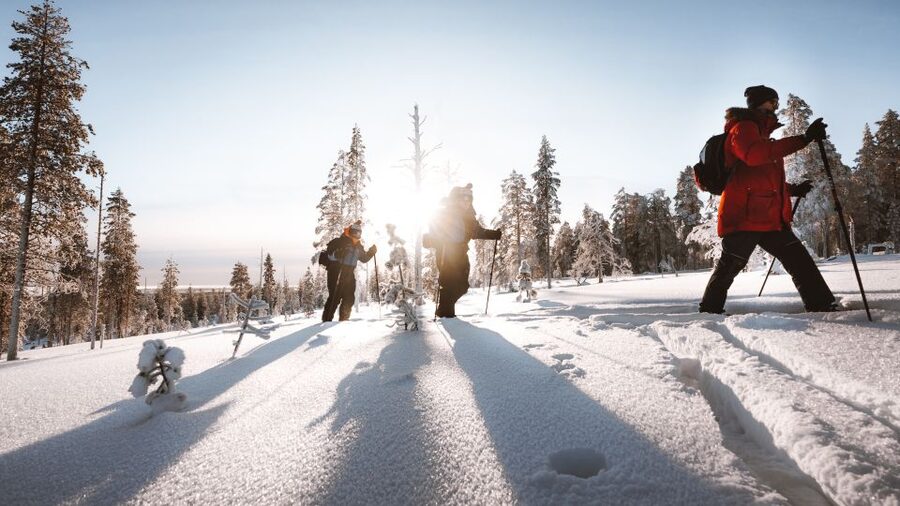
- Back-country skis for deep snow: Skins under the skis help you climb and control your speed on hilly ground.
- A real Taiga setting: You leave central Rovaniemi behind and enter spruce forest, snowy hills, and frozen lake areas.
- Beginner-friendly instruction: The guides teach basic movement and adapt the route to the group’s ability.
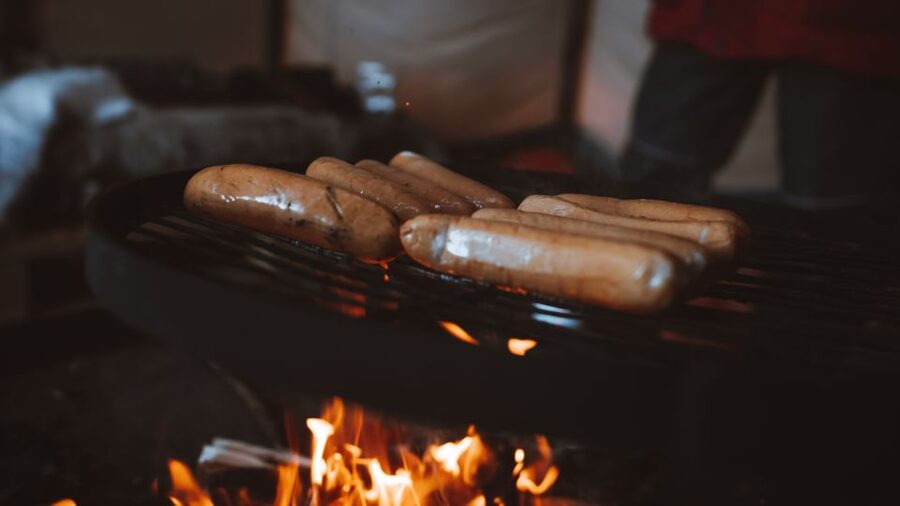
- Campfire food included: Expect a hot drink and a Finnish-style snack, often sausage, with marshmallows or small sweet treats.
- Small groups of eight: A limited group gives the guide more room to help with equipment and technique.
- Good value for active visitors: At $128 per person, the price covers equipment, winter clothing, transport, instruction, guide service, and refreshments.
From Rovakatu 24 to the Taiga forest
The activity begins in Rovaniemi, with central-city pickup handled from the provider’s office at Rovakatu 24 if your accommodation is downtown. If you are staying outside the center, you need to contact the operator if your address is not shown as a pickup option. This is worth sorting out before the day, since a smooth pickup matters when you are carrying winter gear and trying to keep warm.
The drive takes you away from the built-up part of Rovaniemi toward a more remote forest setting. The exact route depends on the group and the conditions, so you should not expect one fixed viewpoint or identical path every time. That flexibility is useful: the guide can choose terrain suited to your fitness and experience.
Transportation receives a high score, with 86 percent of ratings giving it a perfect mark. That suggests the transfer is generally a dependable part of the outing, though the most memorable part begins once the skis are on and you are moving through the snow.
More Safaris in the world:
- Khao Sok: Private Day Trekking, Jungle Dinner & Night Safari
★ 4.7 · 206 reviews - El Calafate: Safari Azul Los Glaciares Trekking Tour
★ 4.8 · 123 reviews - 3 Days gorilla trekking Safari tour in Uganda
★ 5.0 · 121 reviews
Getting used to back-country skis
Before setting off, your guide supplies back-country skis and poles, then explains how to use them on fresh snow. You also receive boots and a professional winter snowsuit. Wear warm clothing underneath, since Arctic conditions can change how hard the activity feels very quickly.
These skis are not the same as narrow skis used on a groomed cross-country track. They are designed for soft snow and uneven ground, with skins that help you move uphill and prevent excessive speed on descents. That makes them suitable for forest trails, hills, and frozen lakes rather than prepared ski lanes.
I like this setup for beginners because the goal is not polished skiing. You learn a practical way to move across snow. The first few minutes can still be clumsy. Several people have found the equipment strange at first, and falling into soft snow is part of the learning curve. The falls are usually more comic than alarming, but you need enough balance and strength to get back up.
Your guide should explain how to step, glide, stop, and handle a slope. Guides such as Atanas and Aina have been praised for staying patient and encouraging when people struggle. Maca has also adjusted the route to match the group’s ability. That personal help matters more here than technical ski theory.
Forest tracks, hills, and frozen lake views
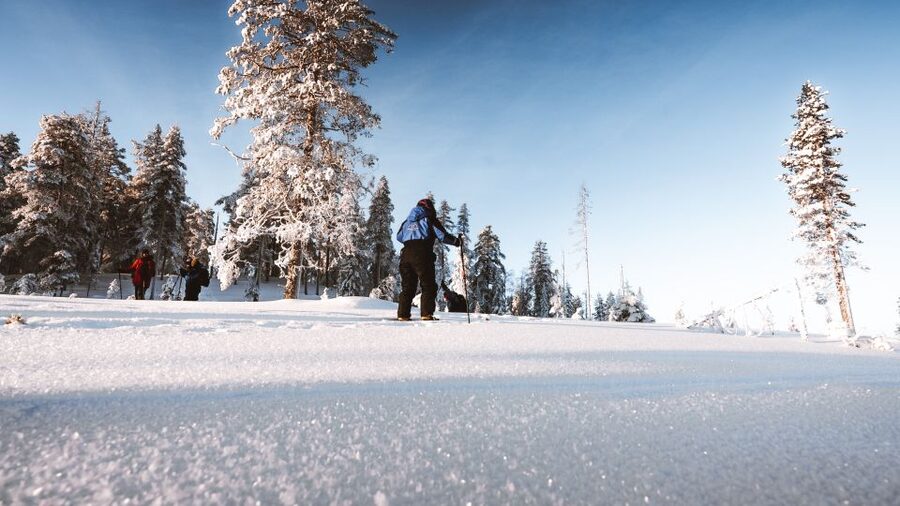
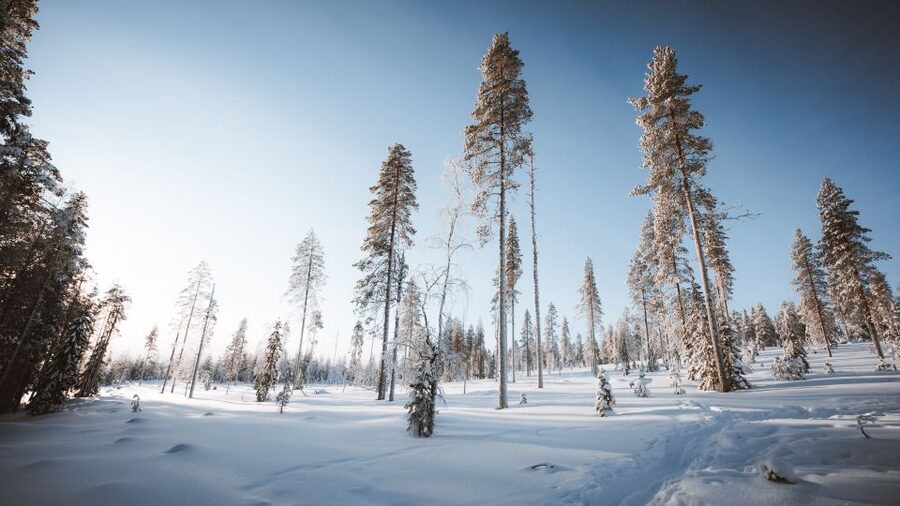
Once you are comfortable, the outing becomes a moving exploration of the Arctic forest. You may travel through spruce trees, across open snow, up a hill, or over a frozen lake. The area is chosen according to snow, weather, and the ability of the people in the group.
The best part is the change in scale. In town, Lapland can feel like a winter resort destination. Out here, the snow covers every track and the forest becomes quiet and spacious. You may see animal footprints, as one guide pointed out during a March trip, and your guide can explain plants, Arctic conditions, and everyday life in Lapland.
The route can feel like hiking with skis attached. That is especially true on climbs, where you use the skins for grip and work your legs. One outing included a hill with a lookout tower and wide views toward Rovaniemi. Another crossed a frozen lake at sunrise. These details are not guaranteed, but they show the range of settings the guides may use.
You should judge the activity by the quality of the setting rather than by distance covered. Four hours gives you enough time to learn the equipment, travel through the forest, stop for food, and take photographs without rushing. Still, the actual amount of skiing depends on the group. A stronger group may cover more ground, while beginners may spend more time practicing and recovering from falls.
The campfire stop and Finnish snacks
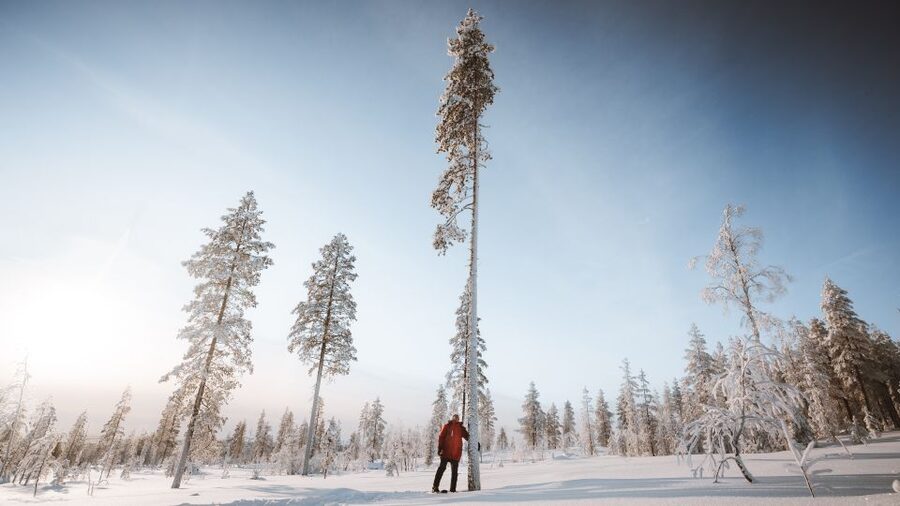
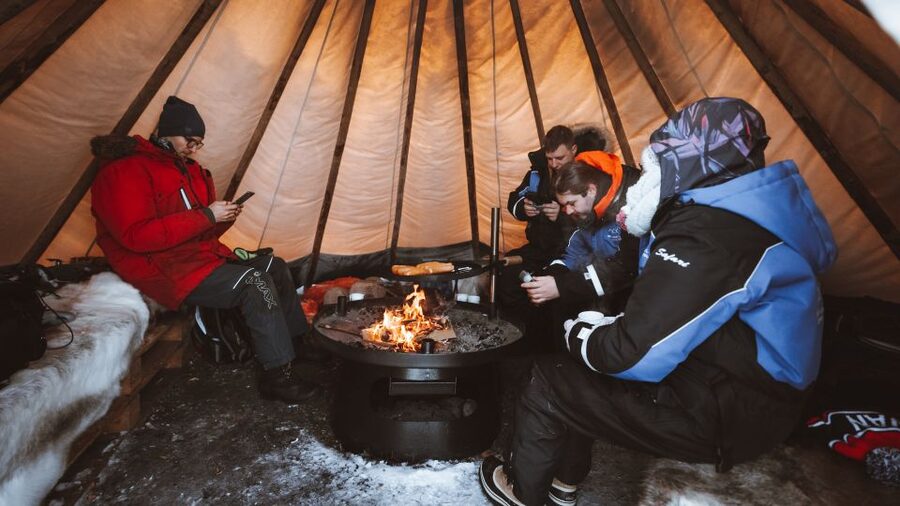
The halfway stop gives the outing its most comfortable pause. Your guide lights a bonfire, and the group warms up with hot drinks and a typical Finnish campfire snack. Sausages are commonly served, with marshmallows and small sweet treats also mentioned by people who joined the activity. Some groups have eaten inside a small teepee or yurt-like shelter near the fire.
This is not a full lunch, so plan accordingly. The included food is better viewed as a hearty break after physical activity, not a replacement for a meal. If you need a substantial lunch, eat beforehand or arrange food separately.
I like this part because it connects the activity to Finnish outdoor culture. The fire is practical in the cold, but it also creates time to talk with the guide and learn about Lapland beyond the equipment. Hot chocolate, grilled sausage, and a sheltered fire area can feel especially welcome after climbing through snow.
The food may also be adaptable in some cases. A vegetarian sausage was provided on one outing, but you should confirm dietary needs with the operator rather than assume every requirement can be met. Lunch is not included in the advertised package.
A few more treks around the world worth a look
- Ski Trekking under the Northern Lights
★ 4.6 · 3 reviews
The guides make the biggest difference
The equipment gets you into the forest, but the guide shapes the day. A patient leader can turn an awkward first half-hour into a satisfying introduction to ski trekking. The strongest praise goes to guides who explain clearly, encourage people after falls, and change the route when the group needs a slower pace.
Atanas has helped several beginner groups, including families, and was repeatedly praised for his calm instruction. Aina was described as friendly, lively, positive, and energetic. Maca adjusted the route to suit the group and added information about plants and animal tracks. Amy was praised for guiding a sunrise outing across a frozen lake, while Emily earned warm comments for helping children and giving people time to build confidence.
You should still remember that guide quality can vary by departure. These names reflect individual experiences, not a promise that you will be assigned a particular person. The small-group limit of eight is a real advantage, since the guide has a better chance to notice who needs help with a turn, a hill, or a difficult piece of equipment.
What the four hours feel like
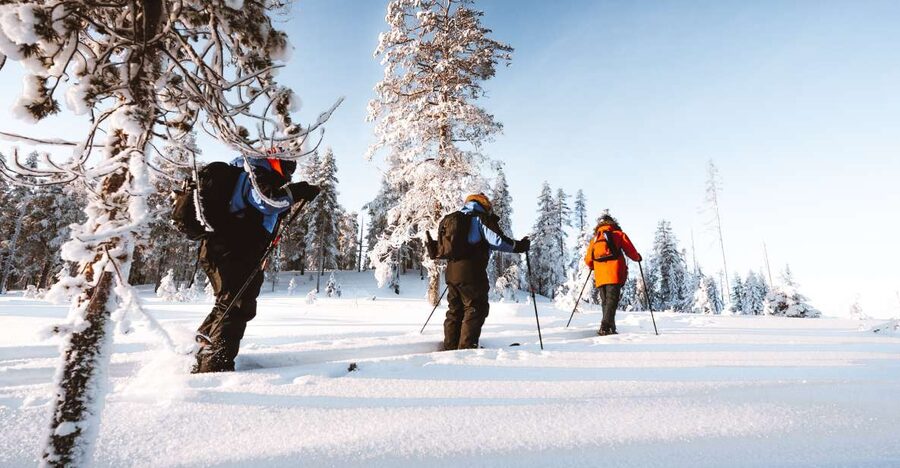
A four-hour booking sounds moderate, but cold-weather activity uses energy quickly. You will spend time getting dressed, learning the skis, traveling through snow, stopping for photographs, and warming up by the fire. The physical demand comes from balancing, pushing through soft snow, and climbing rather than from fast downhill skiing.
One useful way to think about the outing is as a guided winter hike with skis. You are not signing up for a long, fast ski run. You are learning how to move through places that ordinary cross-country skis cannot easily reach.
For beginners, the first section may be the hardest. You need to coordinate your feet, poles, and balance while the skis sink into uneven snow. Once you understand the basic rhythm, the activity becomes more enjoyable. Several people who had never skied before became more confident by the end, but one participant could not complete the full trek. That is a helpful warning: the outing is accessible to beginners, but it is not effortless.
You should be comfortable walking outdoors in winter and getting up after a fall. The experience is not recommended for people with limited mobility or serious medical problems, and it excludes children under seven and pregnant women.
Weather, clothing, and comfort
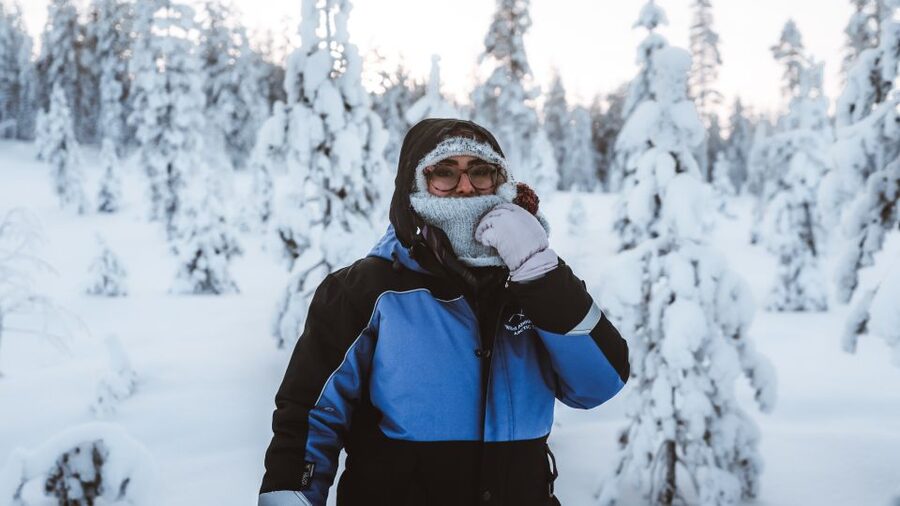
Warm clothing is essential. The provider supplies a professional winter snowsuit and boots, but you should still bring suitable layers, gloves, and other cold-weather clothing. The information specifically asks you to bring warm clothing, and that advice should not be treated casually.
Clear skies and sunshine can make the forest look almost storybook-like, but very low temperatures are possible. One outing took place at minus 17 degrees Celsius and still felt manageable with proper clothing and activity. Another had sunny winter conditions that made the skiing especially enjoyable.
Weather changes the character of the trip. A bright day may give you better views from a hill or across a frozen lake. Snowfall can make the forest feel quieter and more remote. Cloud or wind may reduce visibility and make the physical effort feel greater. The guide chooses a suitable location, but no operator can promise a specific view or weather pattern.
Bring a camera if you like photographs, but keep it easy to reach. You may want pictures of the spruce forest, open snow, animal tracks, and the fire stop. The skis and poles make frequent gear changes awkward, so a simple phone or compact camera is more practical than equipment that needs constant adjustment.
Is $128 good value?
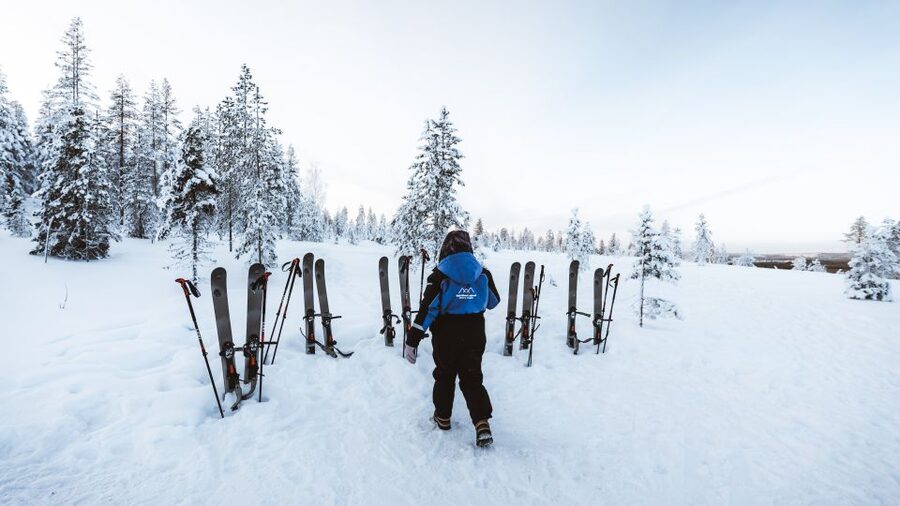
At $128 per person, this is not the cheapest short activity in Rovaniemi. It is also more than a basic equipment rental, because the fee includes a guide, instruction, poles, back-country skis, boots, a winter snowsuit, transport from the meeting point, a bonfire, and campfire food.
I consider the price fair if you want a guided Arctic outing rather than simply a few minutes on skis. The equipment package alone saves you from finding and hiring winter clothing, boots, skis, and poles separately. The guide also handles route choice and safety, which is important in deep snow and unfamiliar forest.
The value is strongest for first-timers and visitors who want context about Lapland nature. If you already ski well and only want a fast, demanding route, the pace may feel slow because the group stays together. If you dislike physical activity, no amount of hot chocolate will make this a restful excursion.
Free cancellation up to 24 hours before the start and the option to reserve now and pay later make the booking less risky. Starting times vary, so you need to check availability for your chosen date.
Who should book this safari?
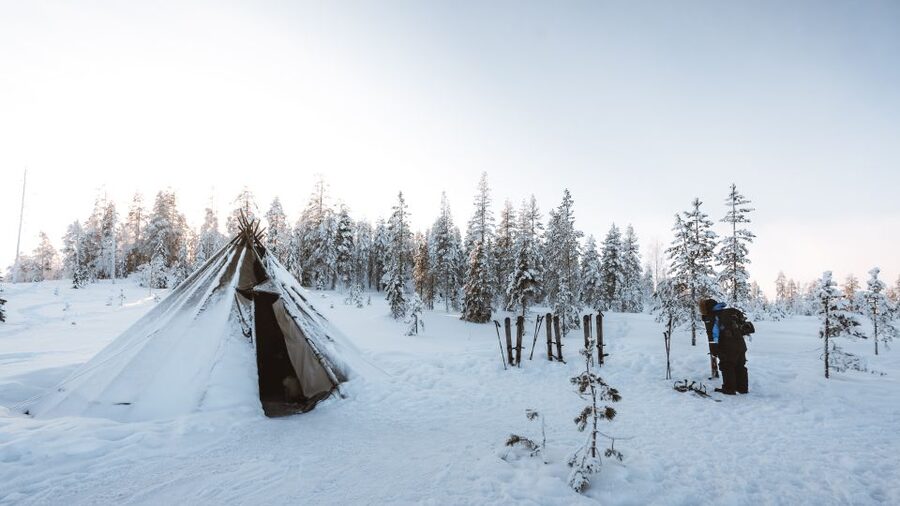
I would choose this activity if you want a quieter alternative to snowmobiles, reindeer rides, and husky trips. It lets you move under your own power and spend meaningful time in the forest. Families with children over seven can enjoy it, provided everyone is comfortable with a physical outing.
It also suits adults who have never skied before but are willing to learn. The instructors appear used to teaching beginners, and the small group format gives you a better chance of receiving individual help. The best attitude is to expect a few wobbles and laugh when you land in soft snow.
You may want to skip it if you have limited mobility, a serious medical condition, or very little tolerance for cold and exertion. Pregnant participants and children under seven are not accepted. Strong skiers should also understand that the guide sets the pace for the whole group.
Should you book the Rovaniemi ski trekking safari?
Book it if you want active time in the Taiga, enjoy uncrowded winter settings, and like the idea of learning a new skill rather than simply watching Arctic scenery from a vehicle. The combination of forest skiing, frozen-lake views, guide-led nature information, and a campfire snack gives you a fuller taste of Lapland than a short photo stop.
I would be especially happy to recommend it to beginners who are prepared for a workout. The guides have shown patience with families and first-timers, and the equipment is designed to make deep snow manageable. Just wear warm layers, eat before you go, and accept that the skis may feel odd at first.
At $128, it offers solid value for a four-hour, small-group experience with transport, clothing, equipment, instruction, and food included. Choose it for the setting and the hands-on adventure, not for speed or effortless sightseeing.
FAQ
How long does the ski trekking safari last?
The activity lasts four hours, including instruction, skiing, the campfire stop, and the return to the starting point in Rovaniemi.
Where does pickup take place in Rovaniemi?
If you stay in the city center, meet at the activity provider’s office at Rovakatu 24, 96200 Rovaniemi. If your accommodation is outside the center and is not listed as a pickup option, contact the provider with your address.
Is ski trekking suitable for beginners?
Yes. The guide provides ski instructions and teaches techniques for moving through fresh snow. The activity is designed to be approachable for beginners, though it can still be tiring and awkward at first.
What equipment is included?
The package includes back-country skis, ski poles, boots, and a professional winter snowsuit. A guide, transportation from the meeting point, a bonfire, and a campfire snack are also included.
Is lunch included?
No. The included food is a campfire snack, with hot drinks and items such as sausage mentioned. You should arrange lunch separately if you need a full meal.
What languages are available?
The live tour guide speaks English.
Who cannot take part?
The activity is not suitable for children under seven, pregnant women, or people with mobility impairments. It is also not recommended for people with serious medical problems or limited mobility.
Recently added around the world
- Mt Kilimanjaro Trek, 6 Days – Umbwe Route★ 5.0 · 4 reviews
- 7 Day Trek To The Roof Of Africa Kilimanjaro via Machame Route★ 5.0 · 5 reviews
- Full Day Private Trekking Mu Cang Chai★ 5.0 · 33 reviews
- Mount Kilimanjaro Trek 7-Days: Lemosho Route★ 5.0 · 2 reviews
- 8 Day Kilimanjaro Trek via Lemosho Route★ 5.0 · 17 reviews
- 6-Day Kilimanjaro Machame Route – A Stunning Trek to Uhuru Peak★ 5.0 · 7 reviews
- 7-Days Tour Mount Kilimanjaro Trekking via Machame Route★ 5.0 · 2 reviews
- Trek To Mount Kilimanjaro★ 5.0 · 12 reviews
Safari, compared.

3 Days gorilla trekking Safari tour in Uganda
Read our review →
8-Day Murchison Falls, Chimp and Epic Gorilla Trekking Safari
Read our review →
5-Day Pearl of Africa Chimps and Gorilla Trekking Safari
Read our review →
4-Day Uganda Gorilla Trekking and Wildlife Safari
Read our review →
Private 3 Day Gorilla Trekking Safari in Uganda
Read our review →